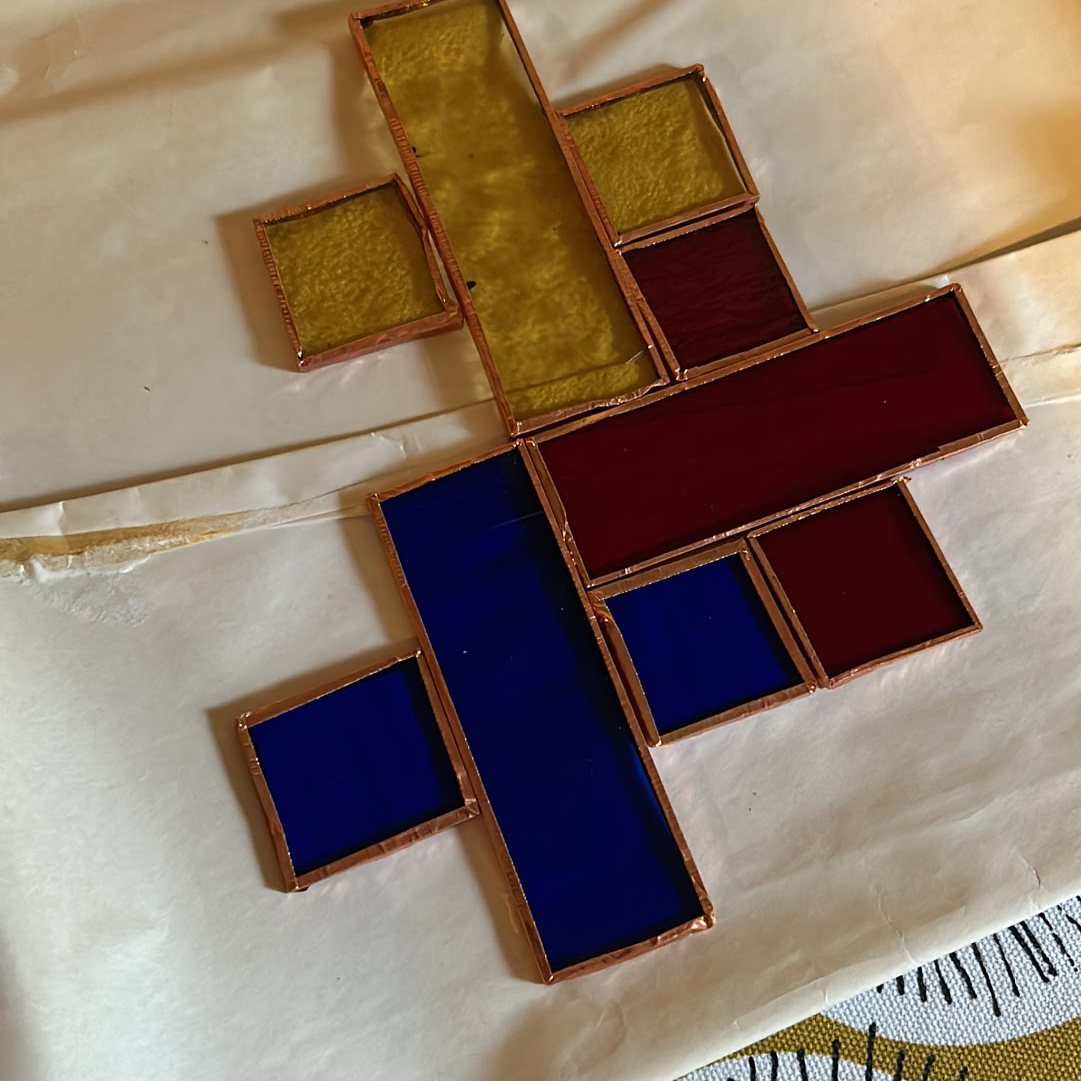
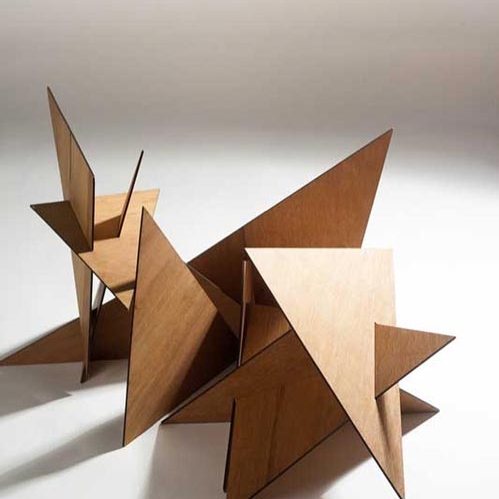
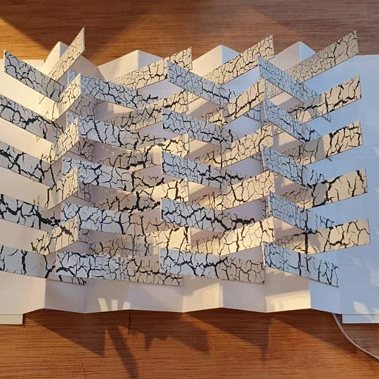
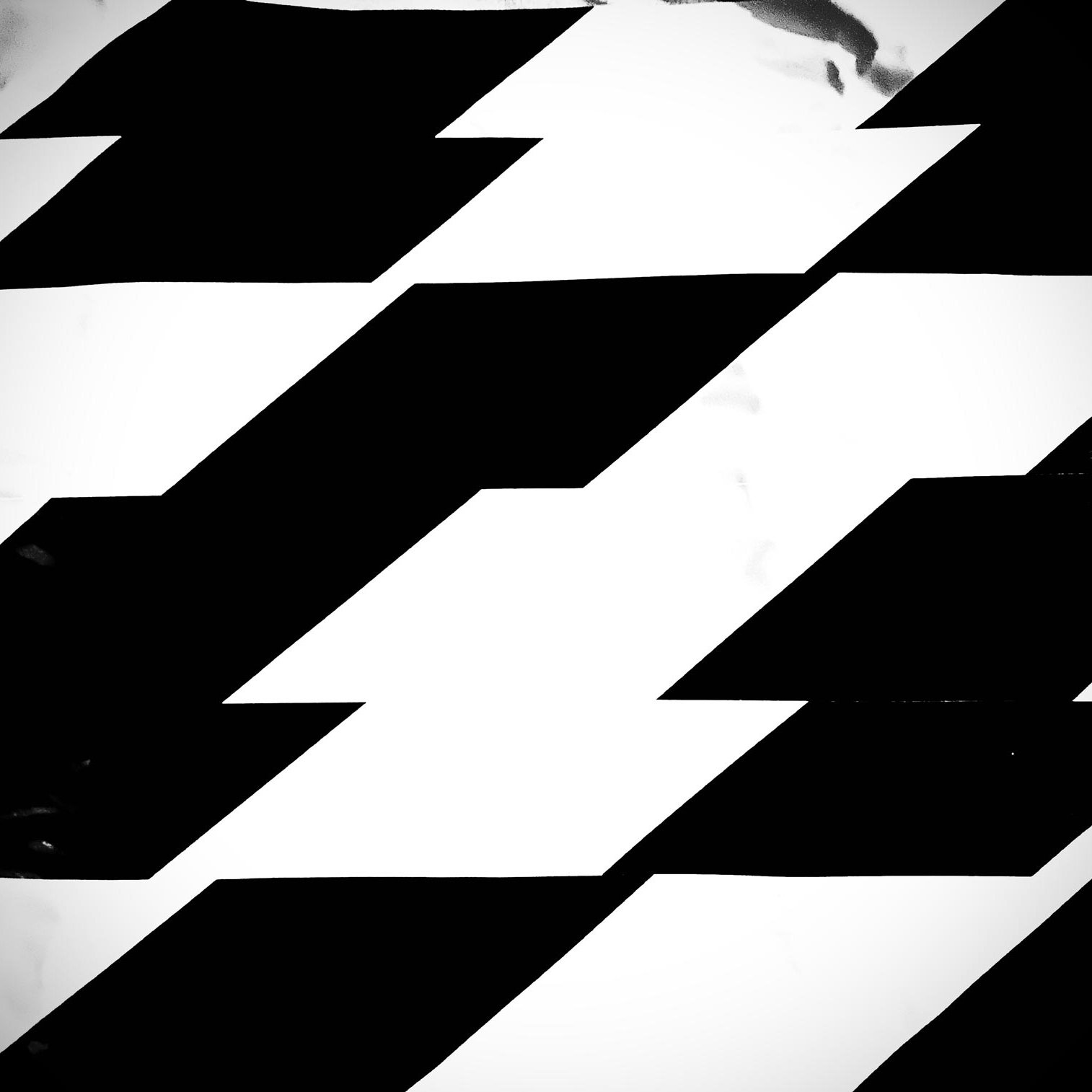
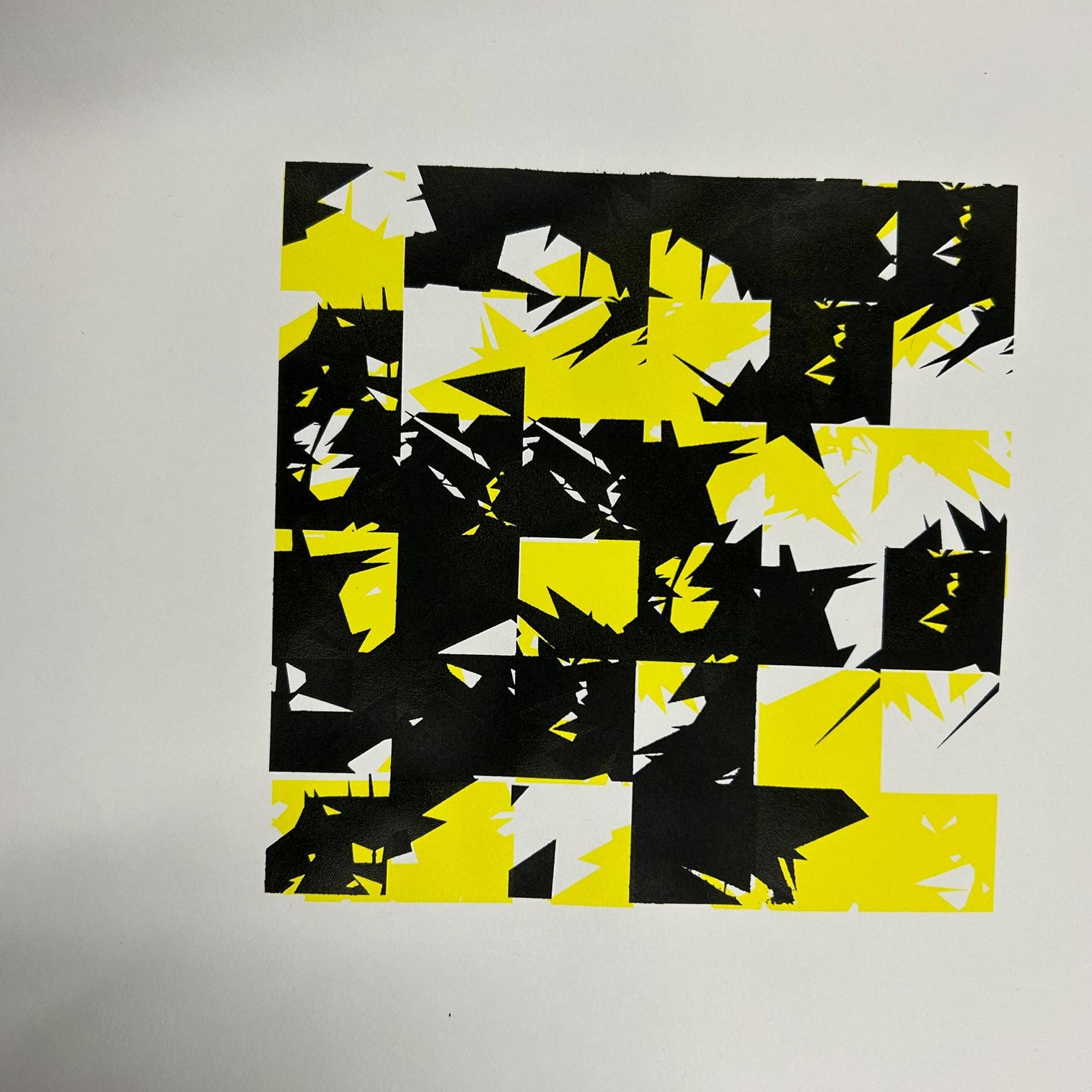
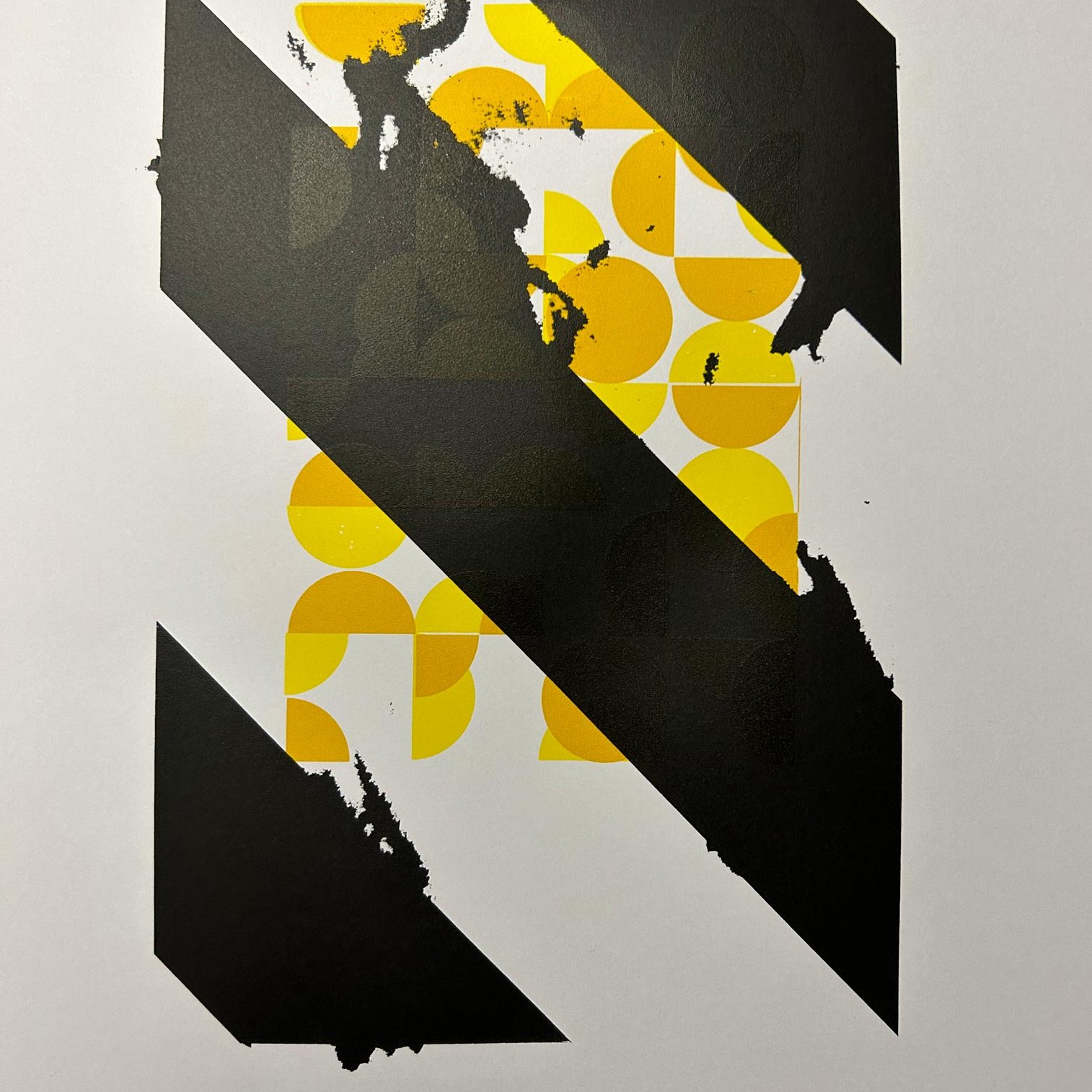
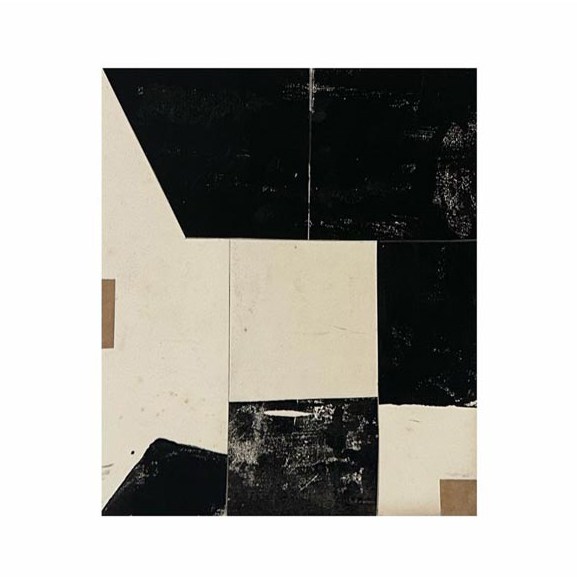
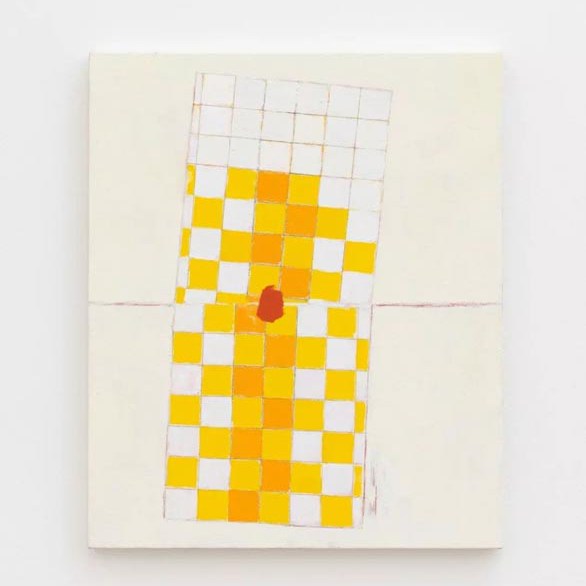
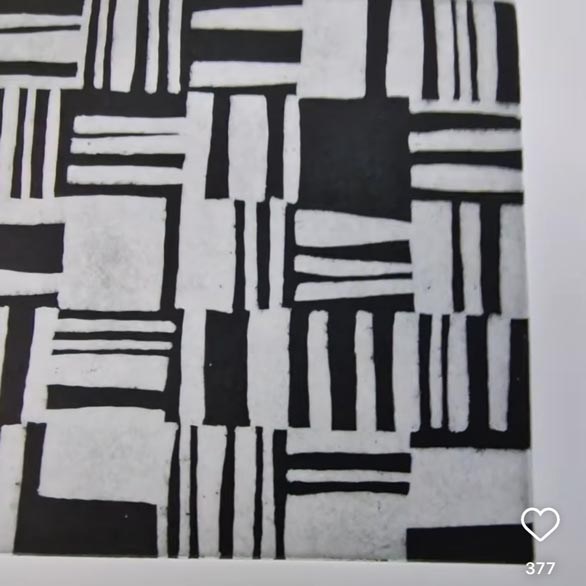
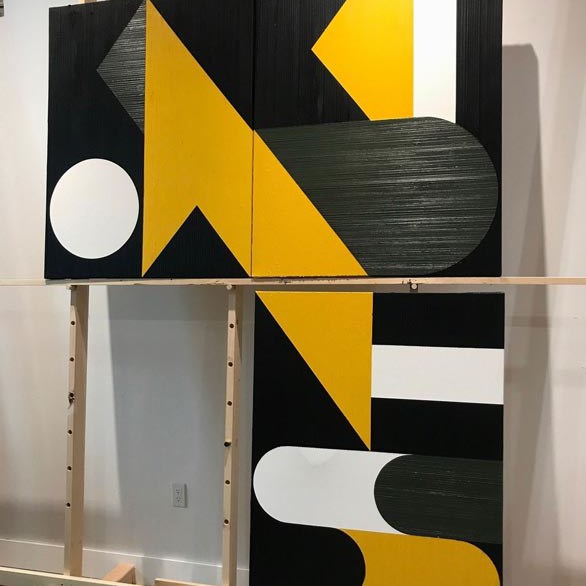
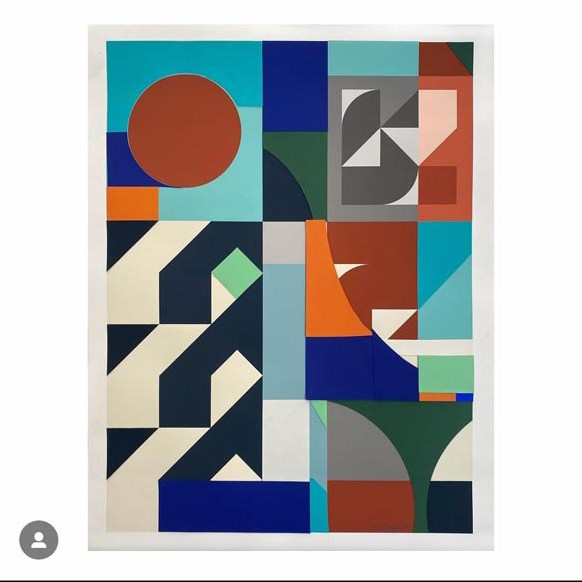
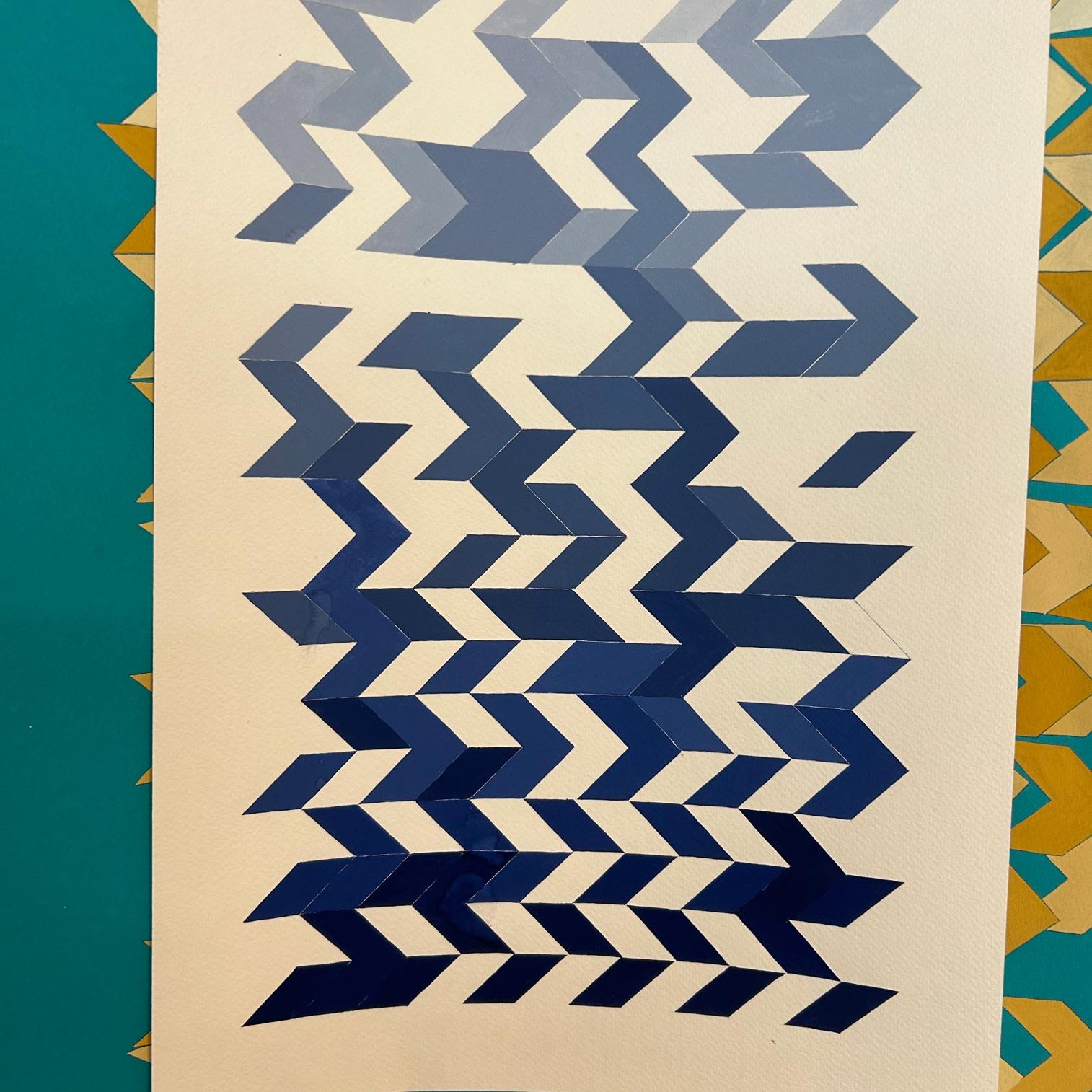
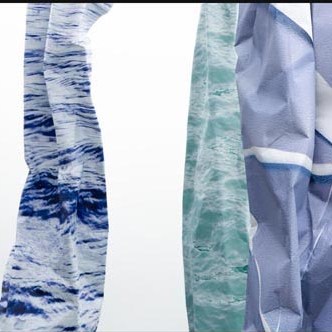
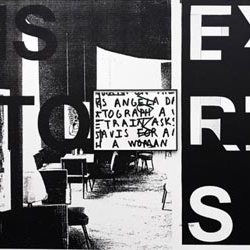
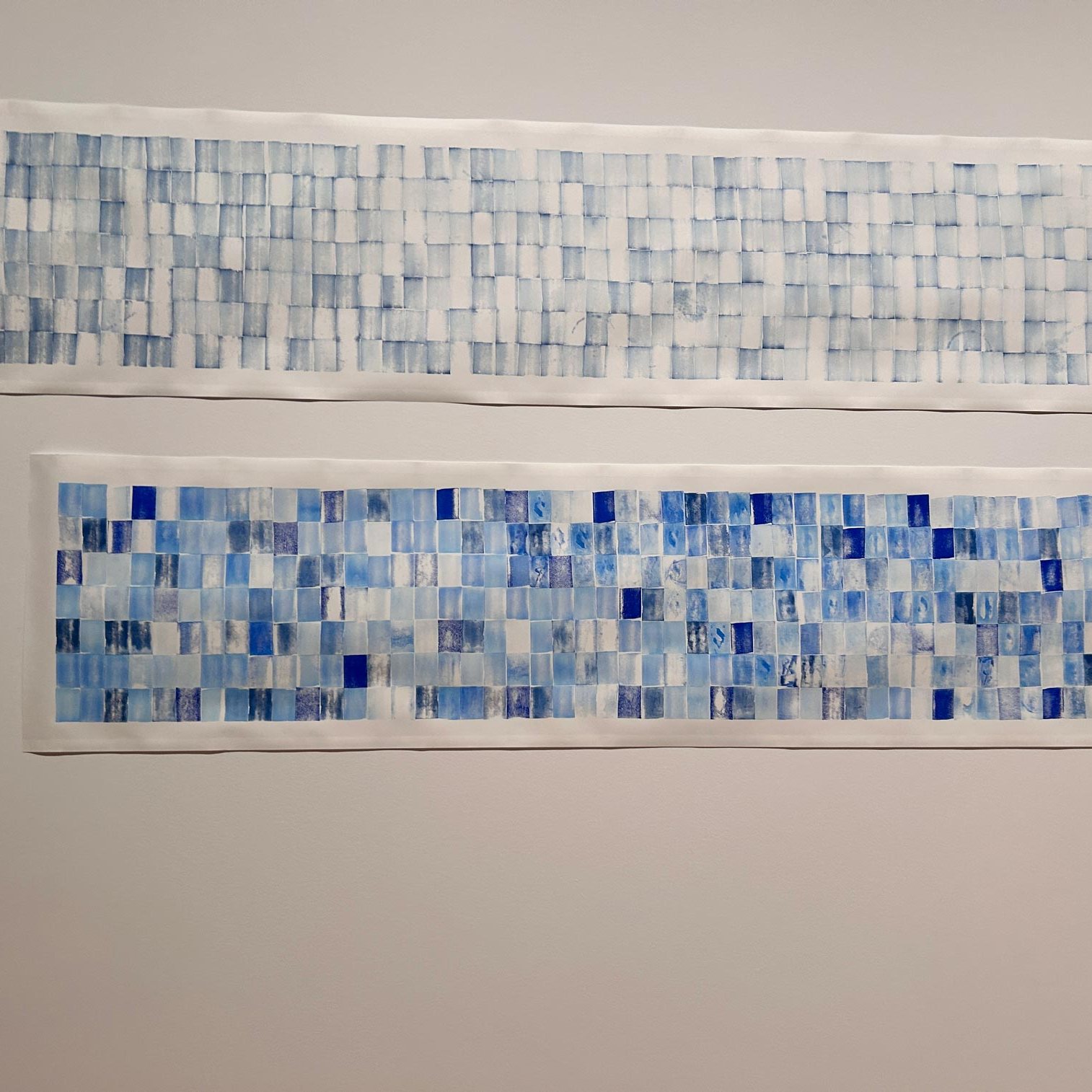
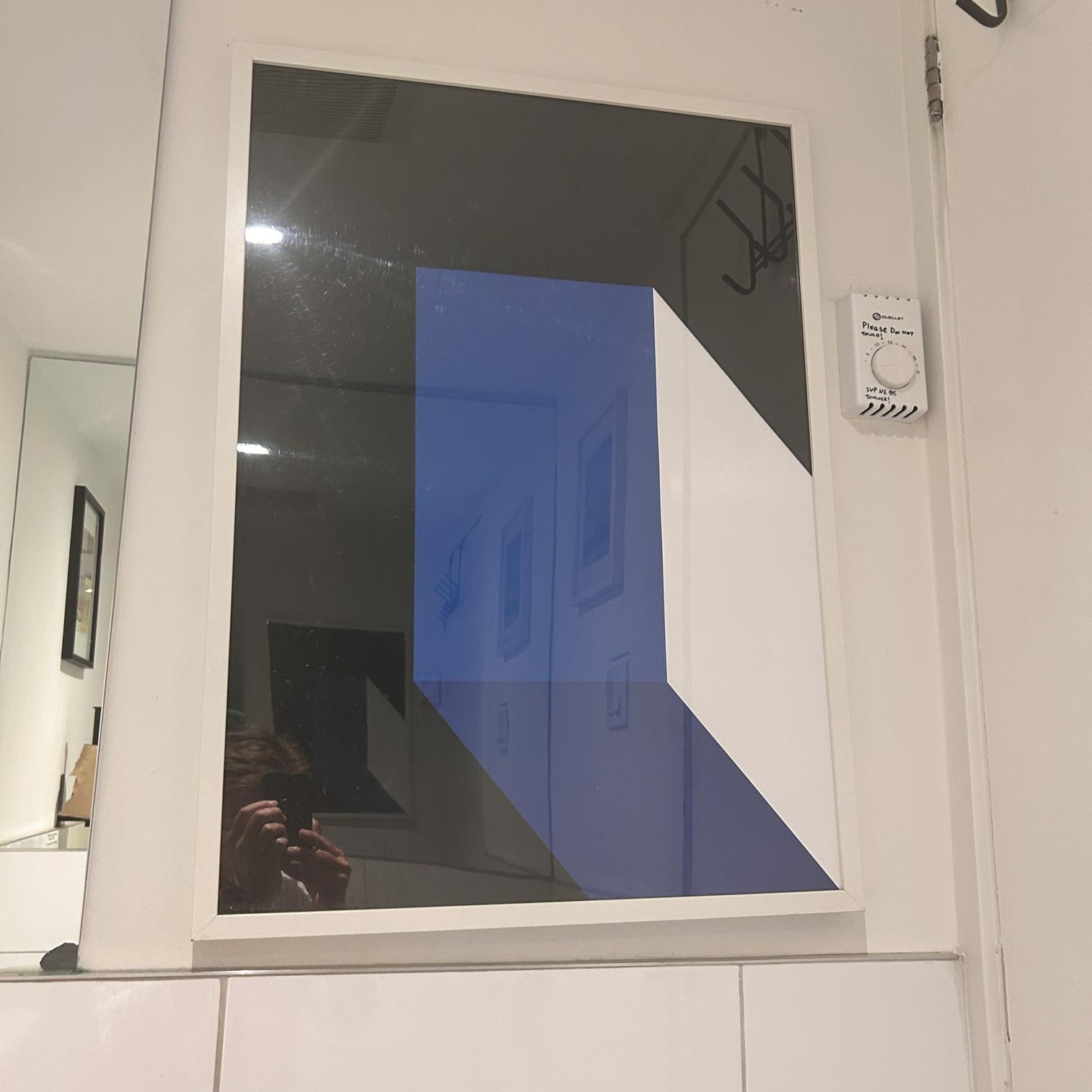
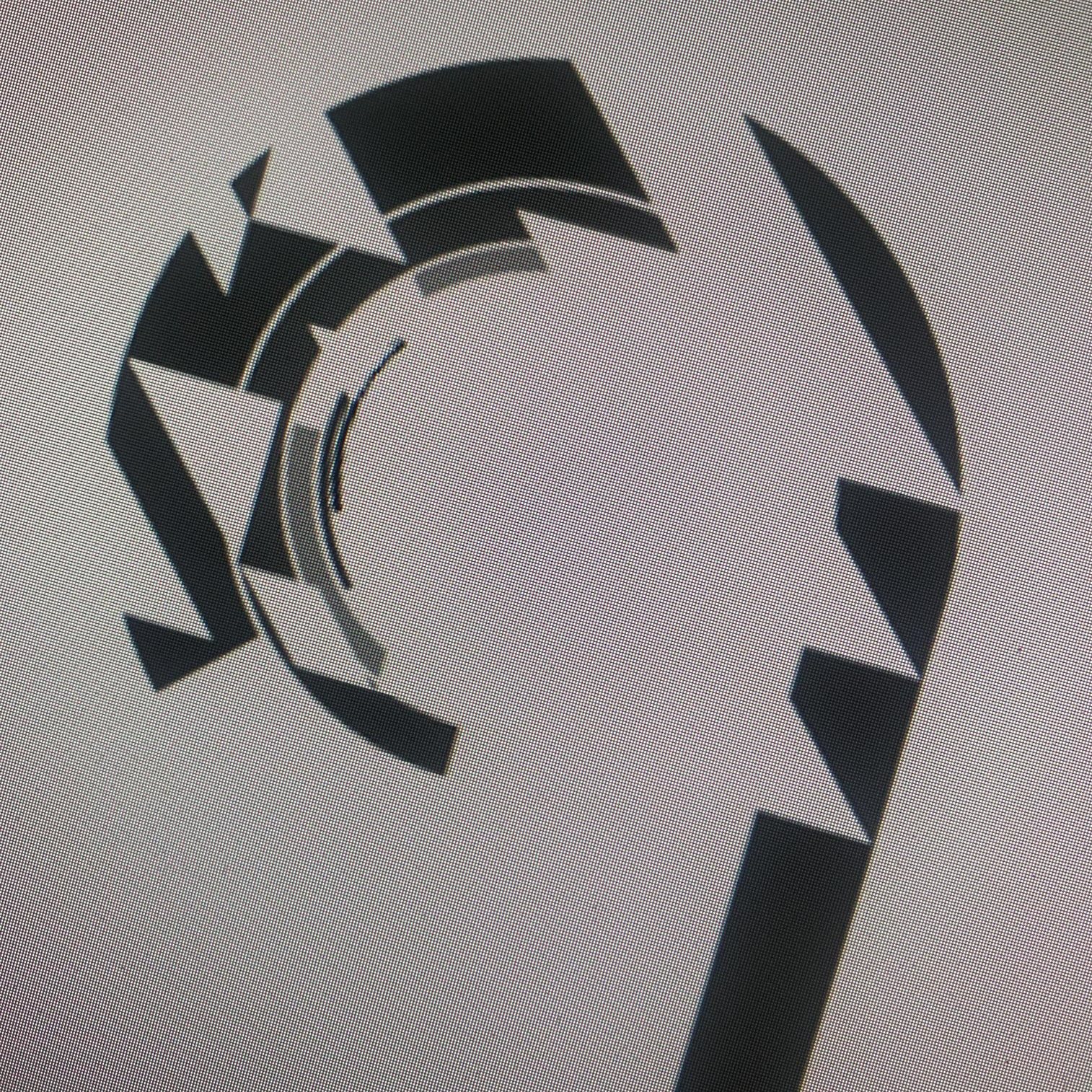
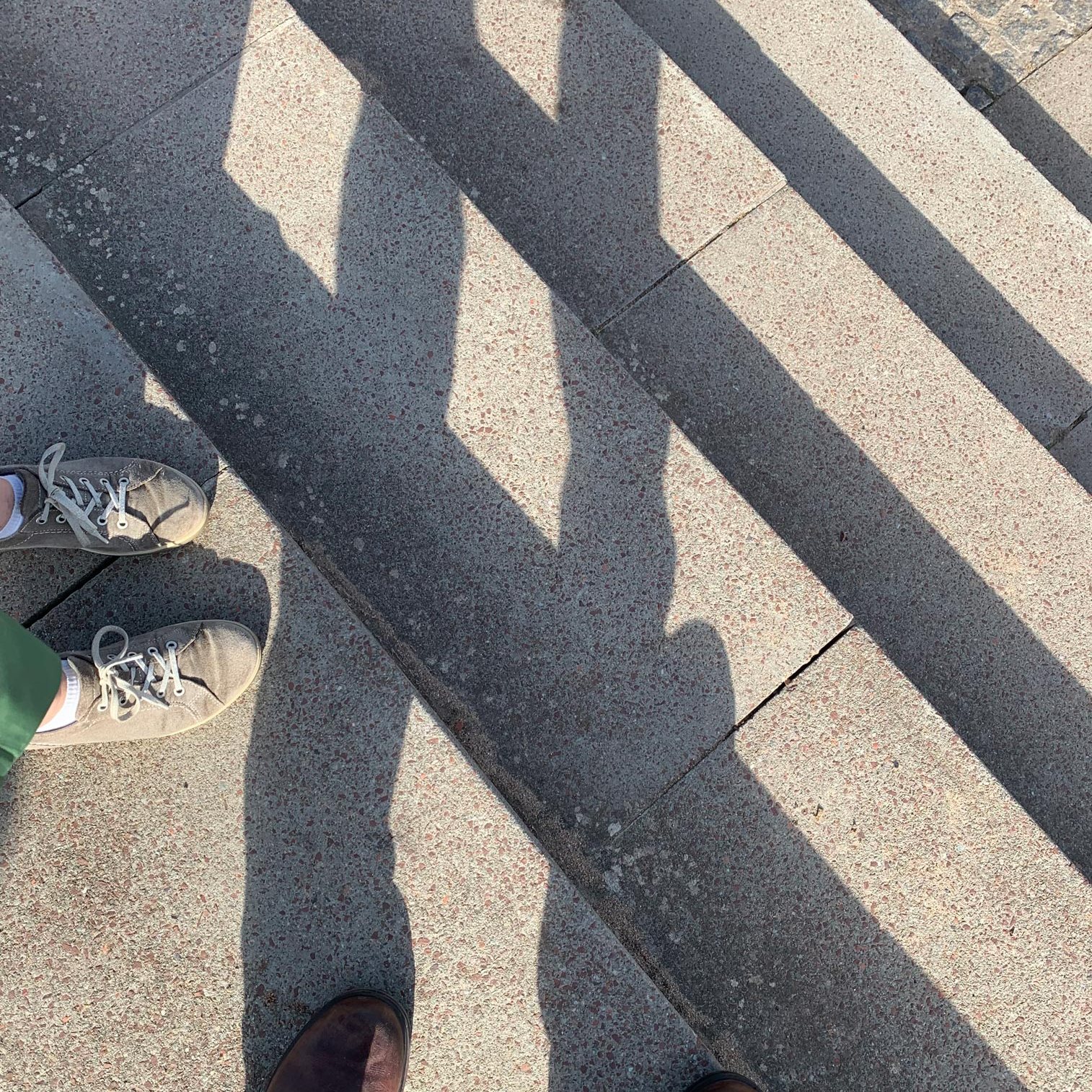
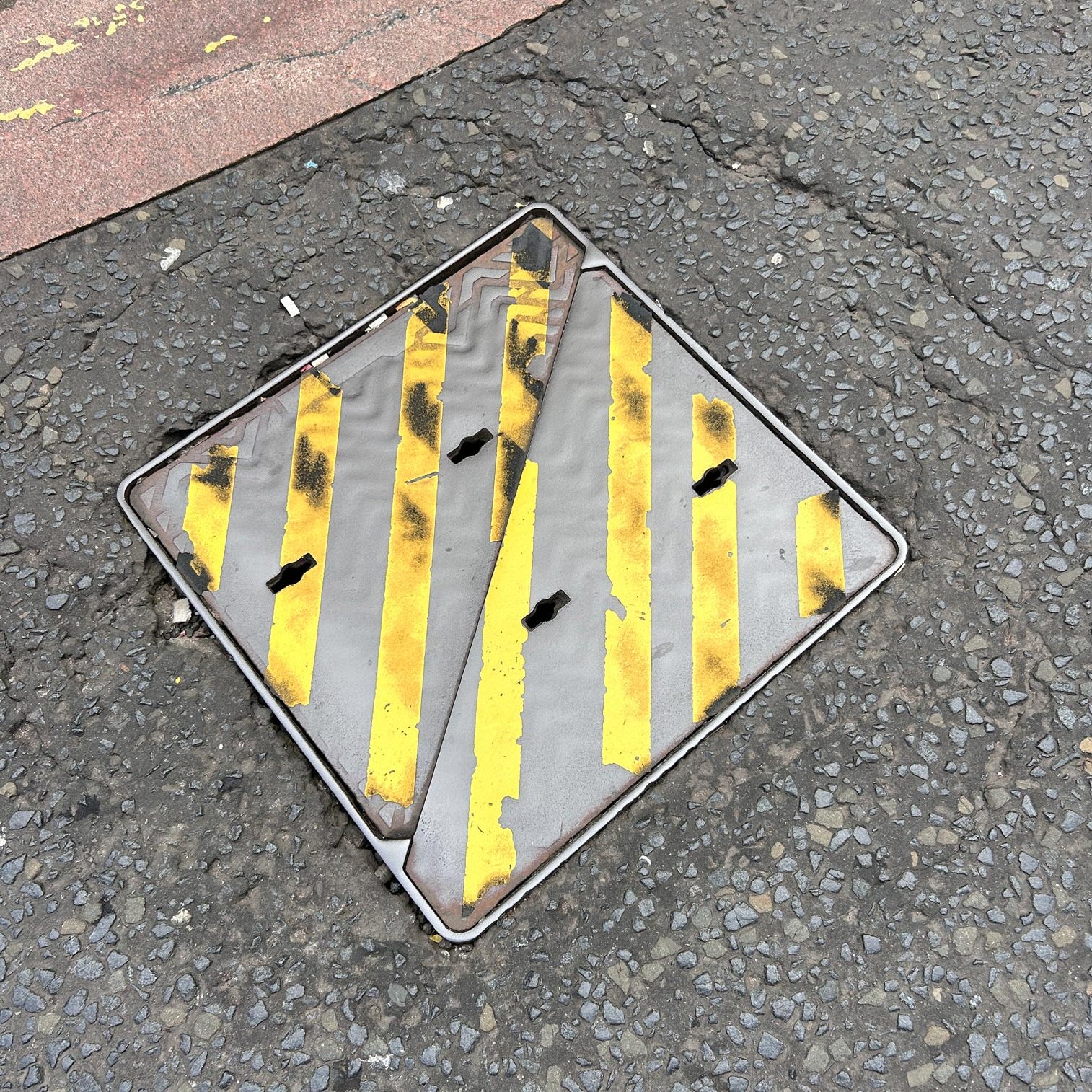
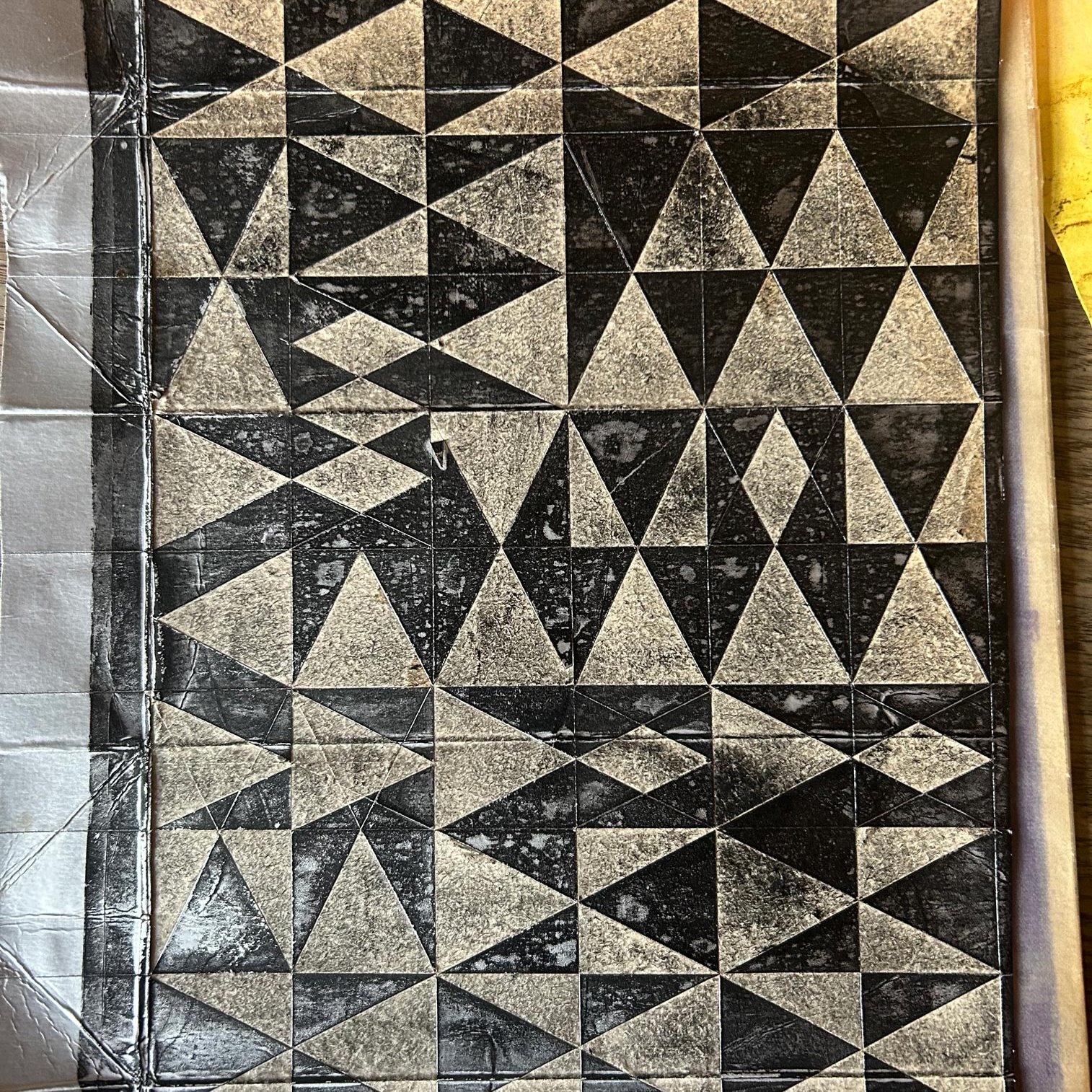
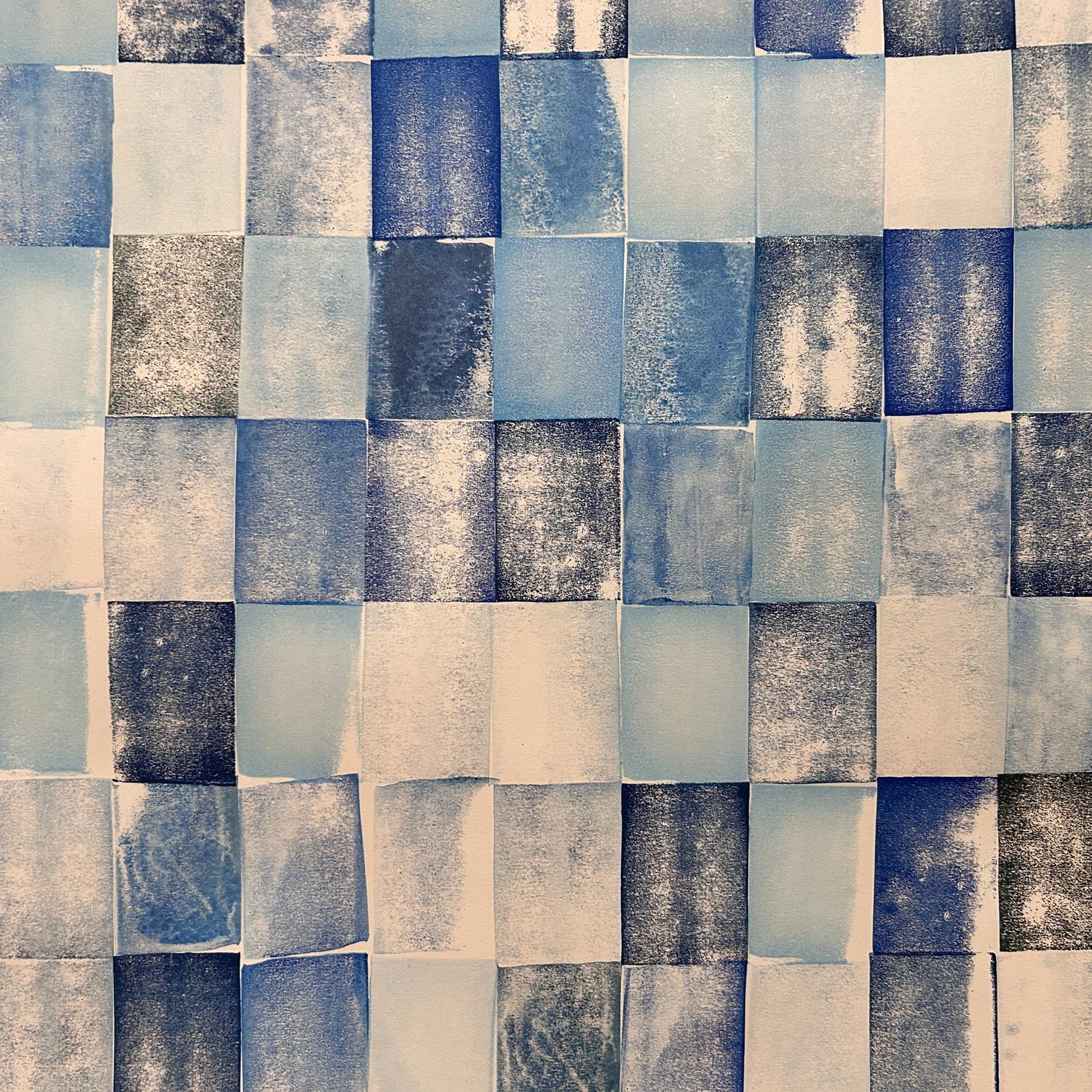
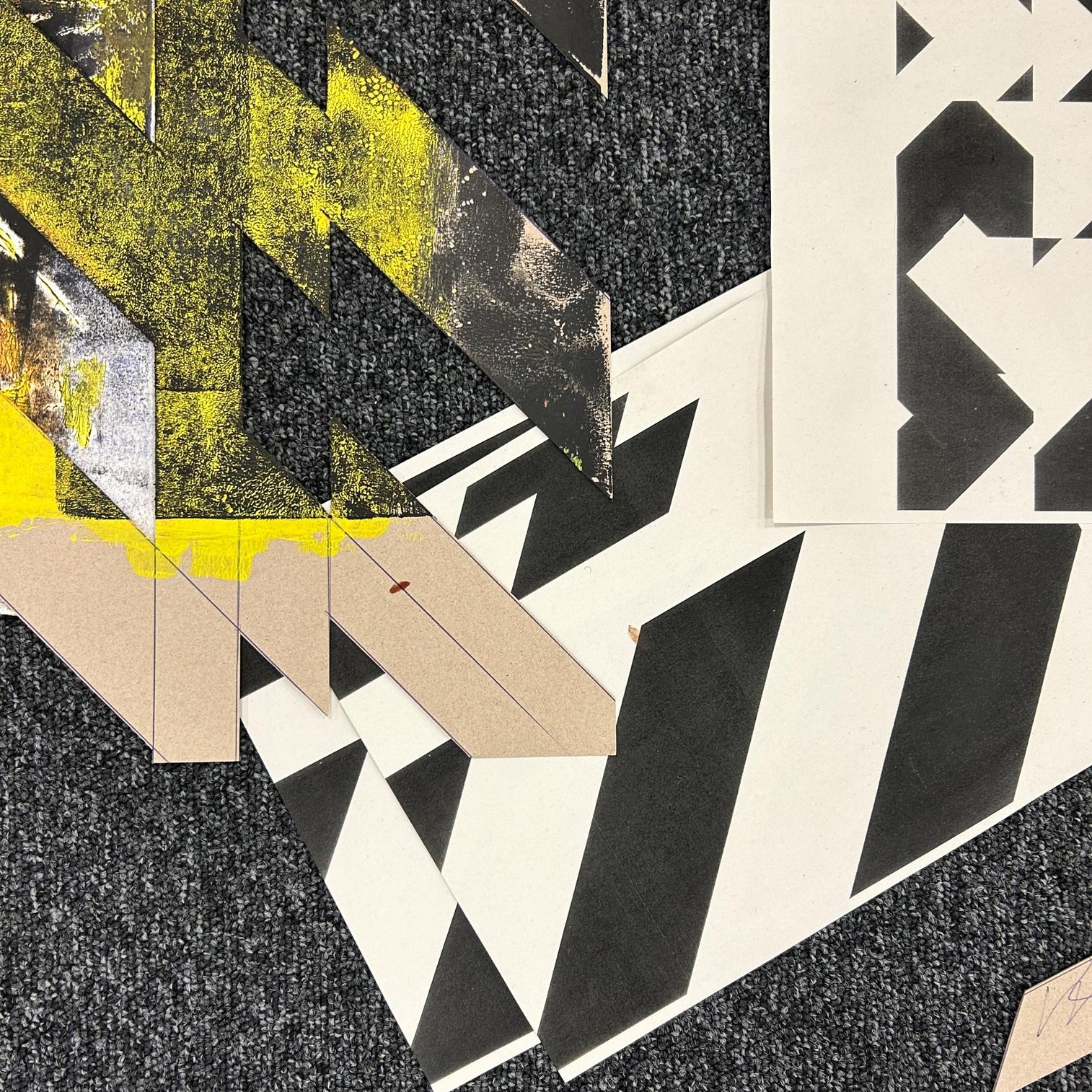
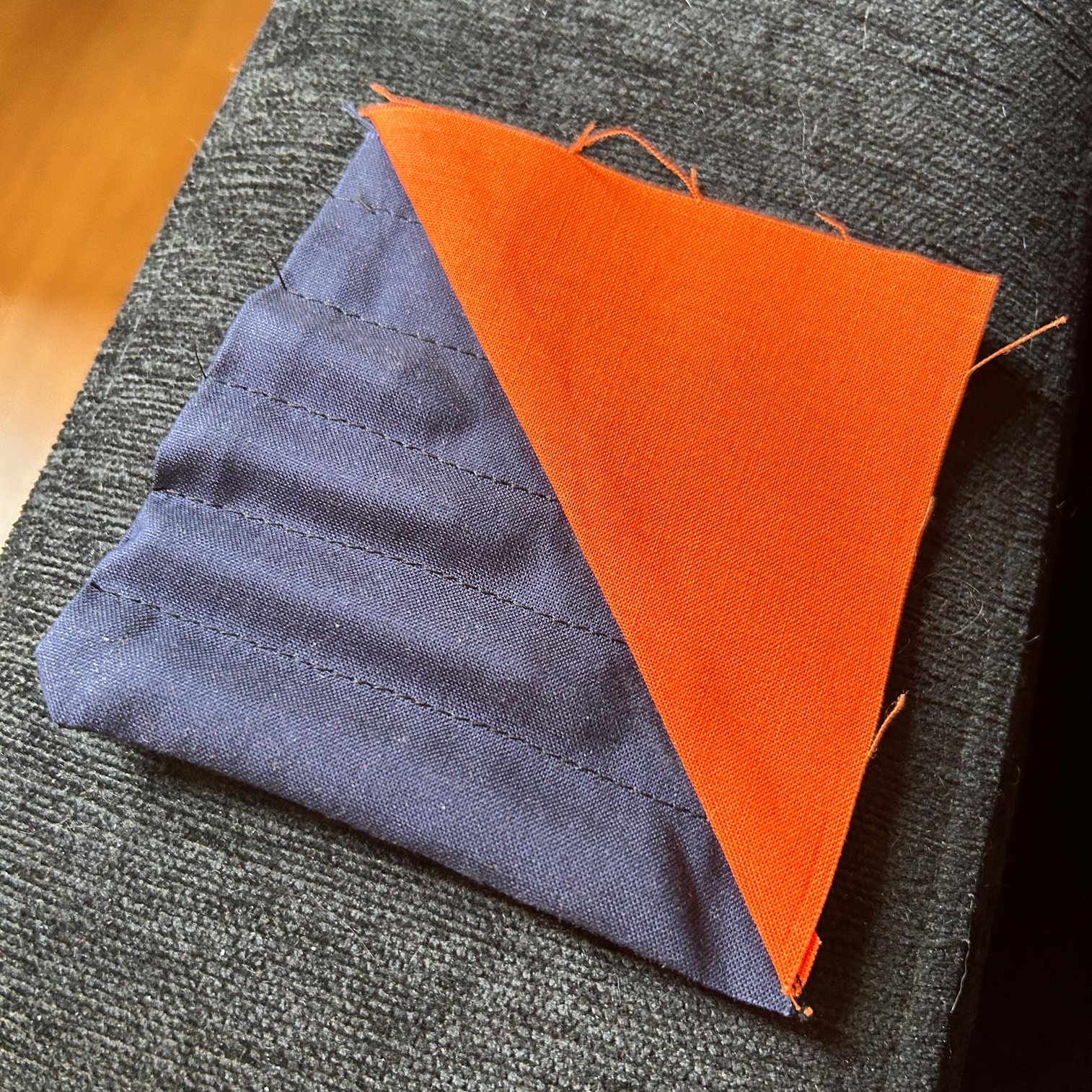
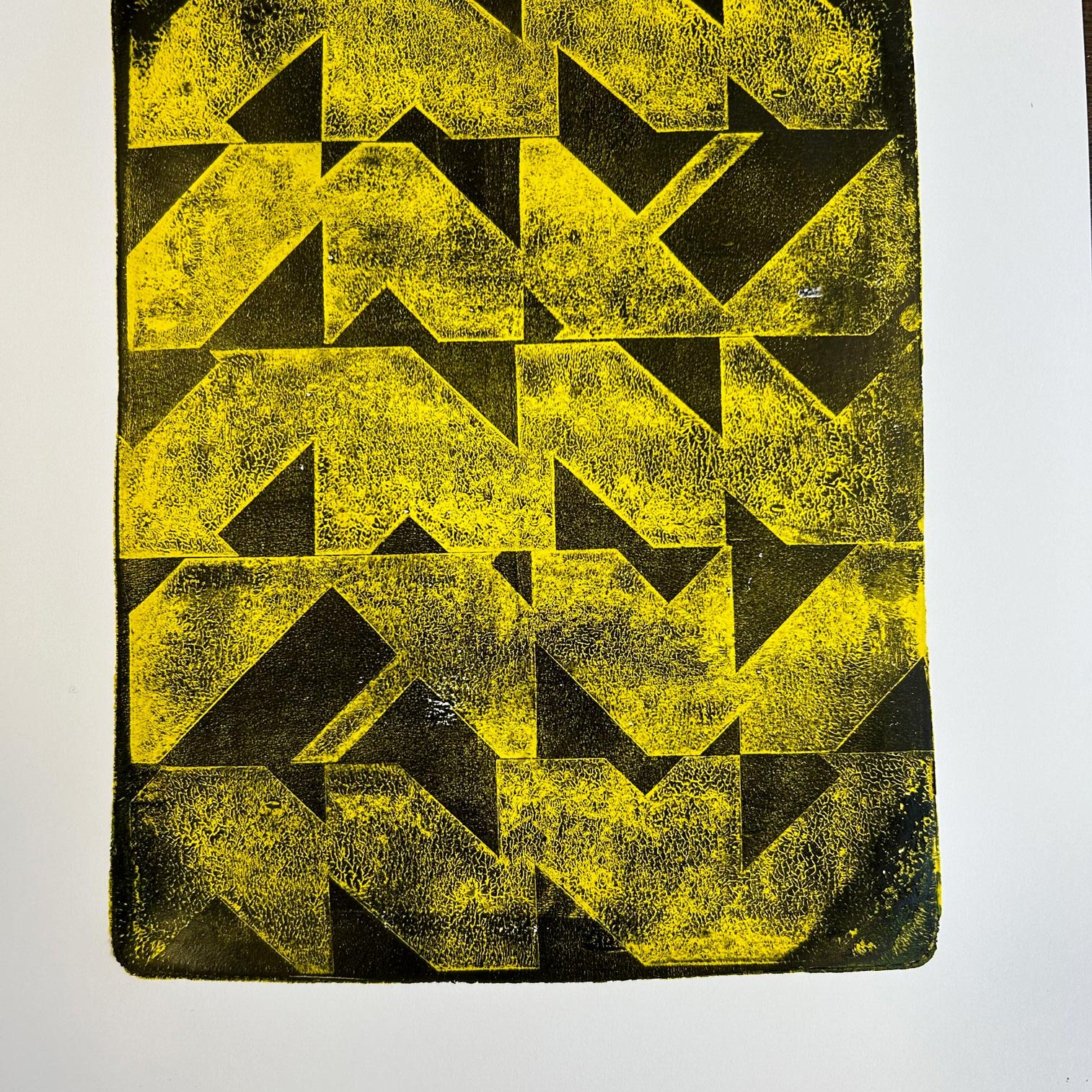
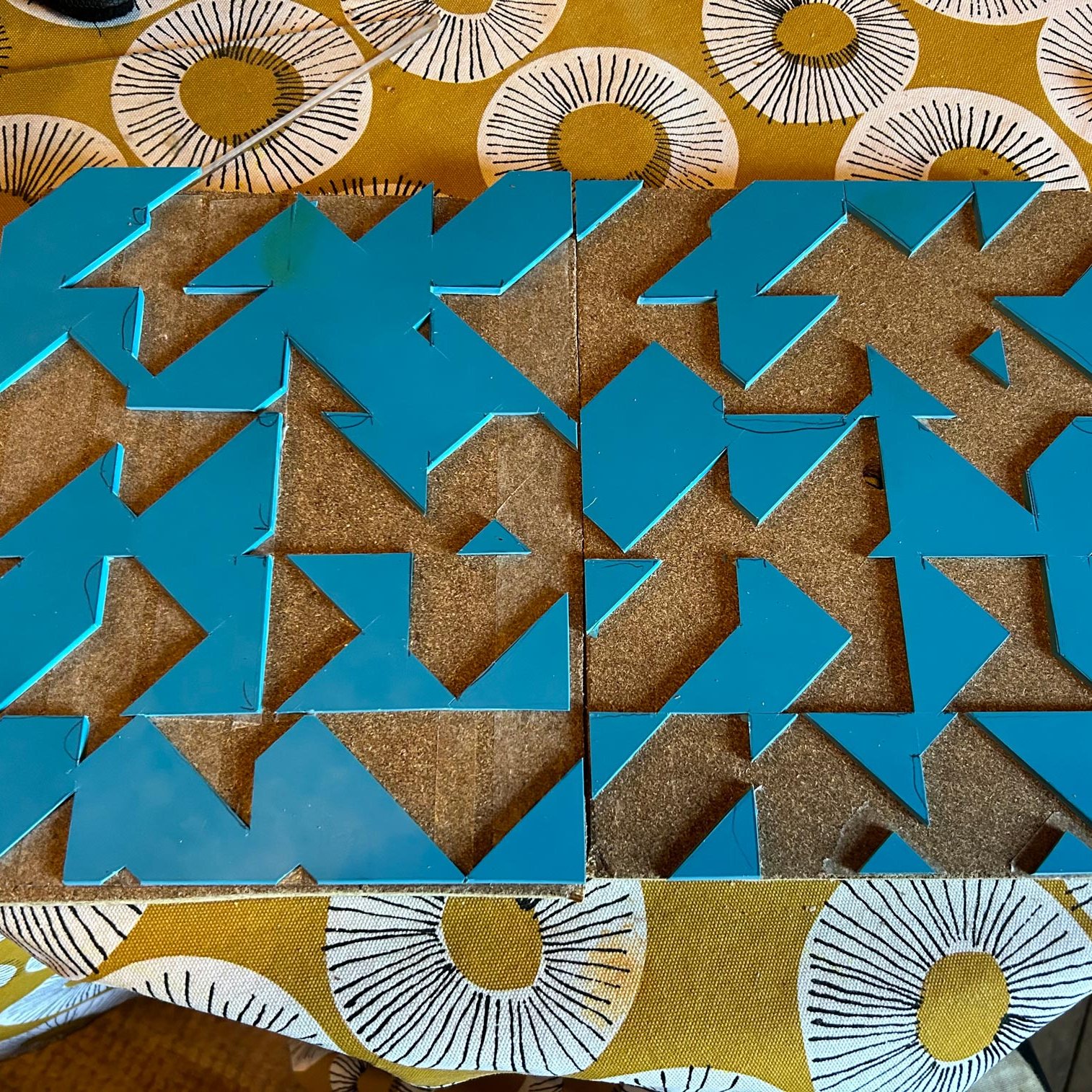
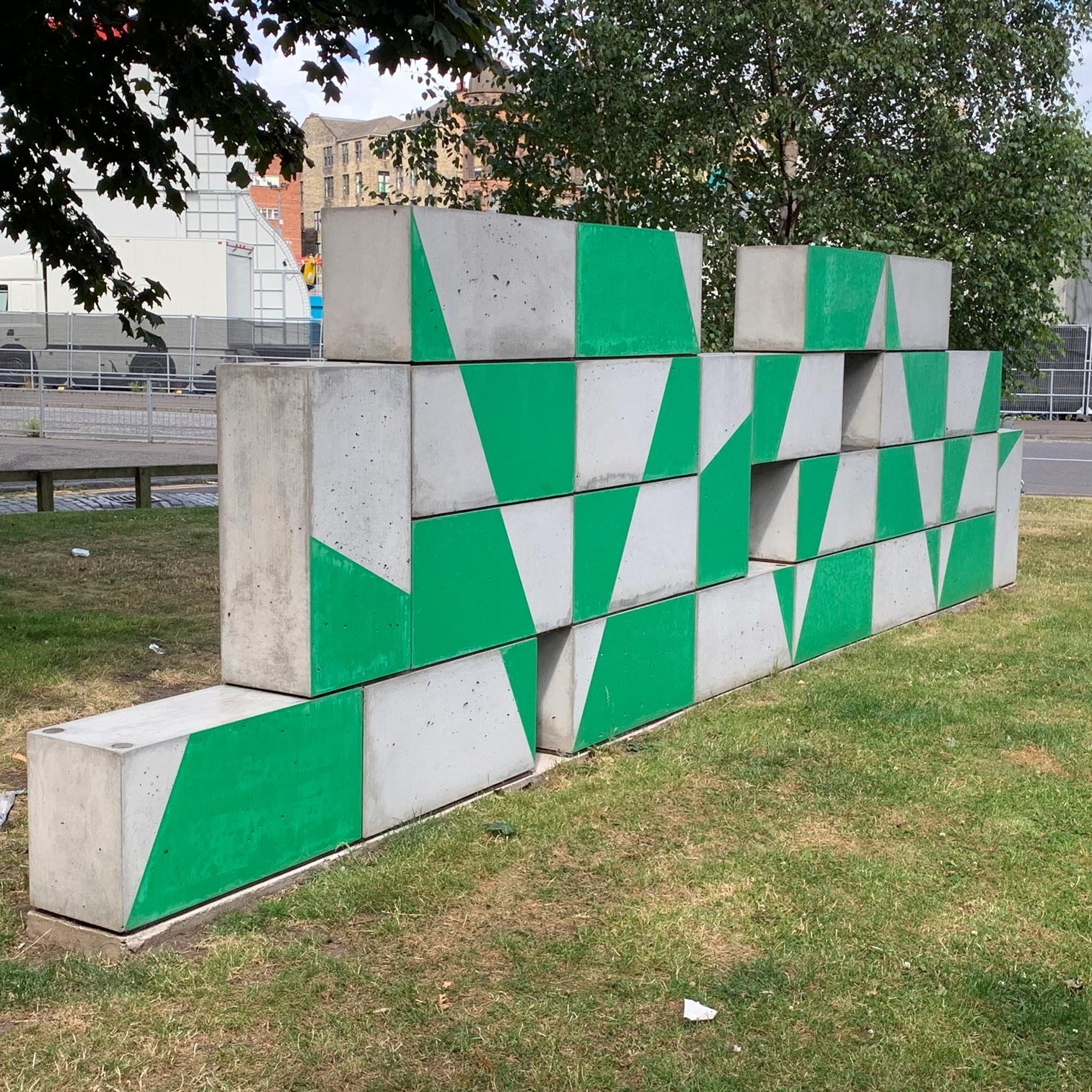
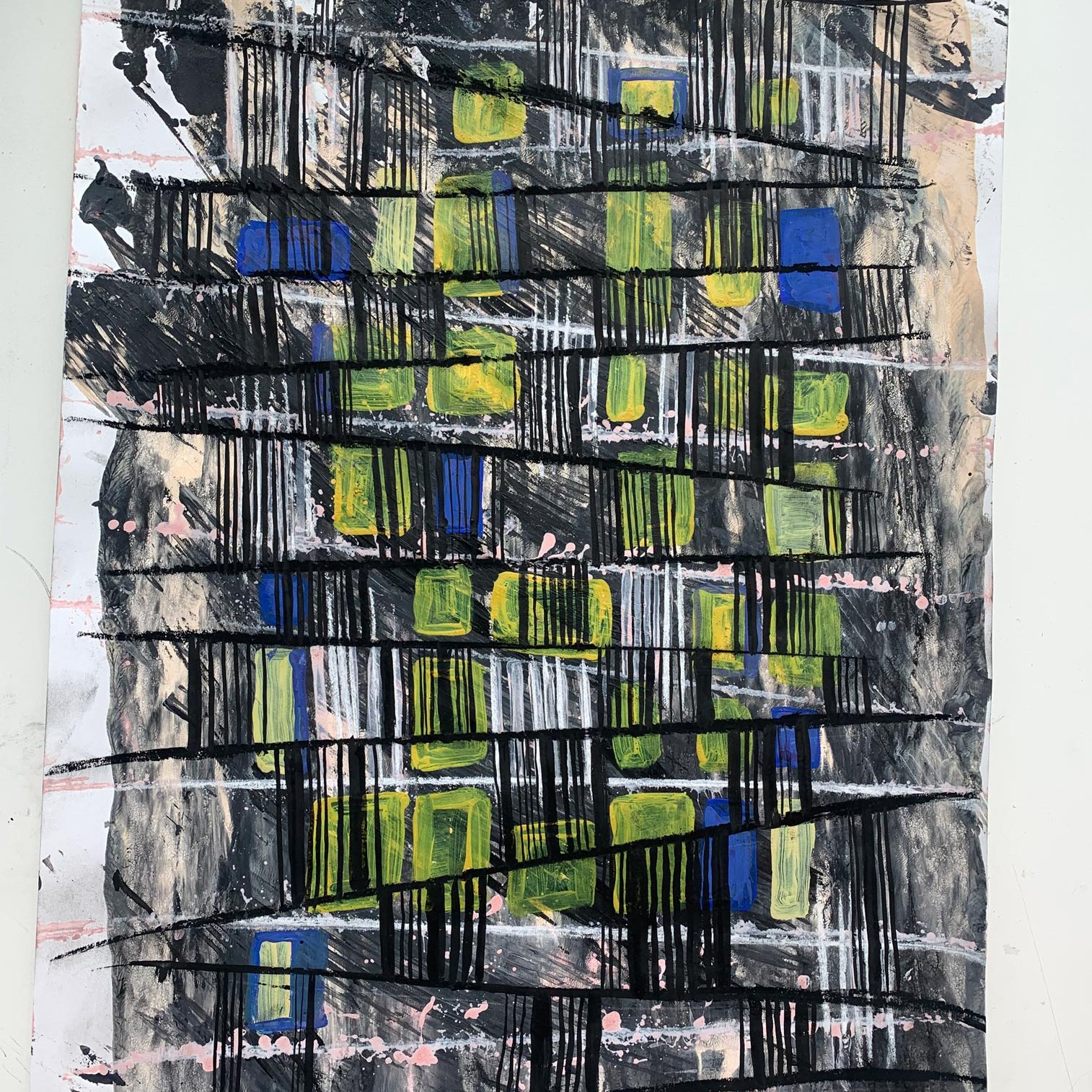
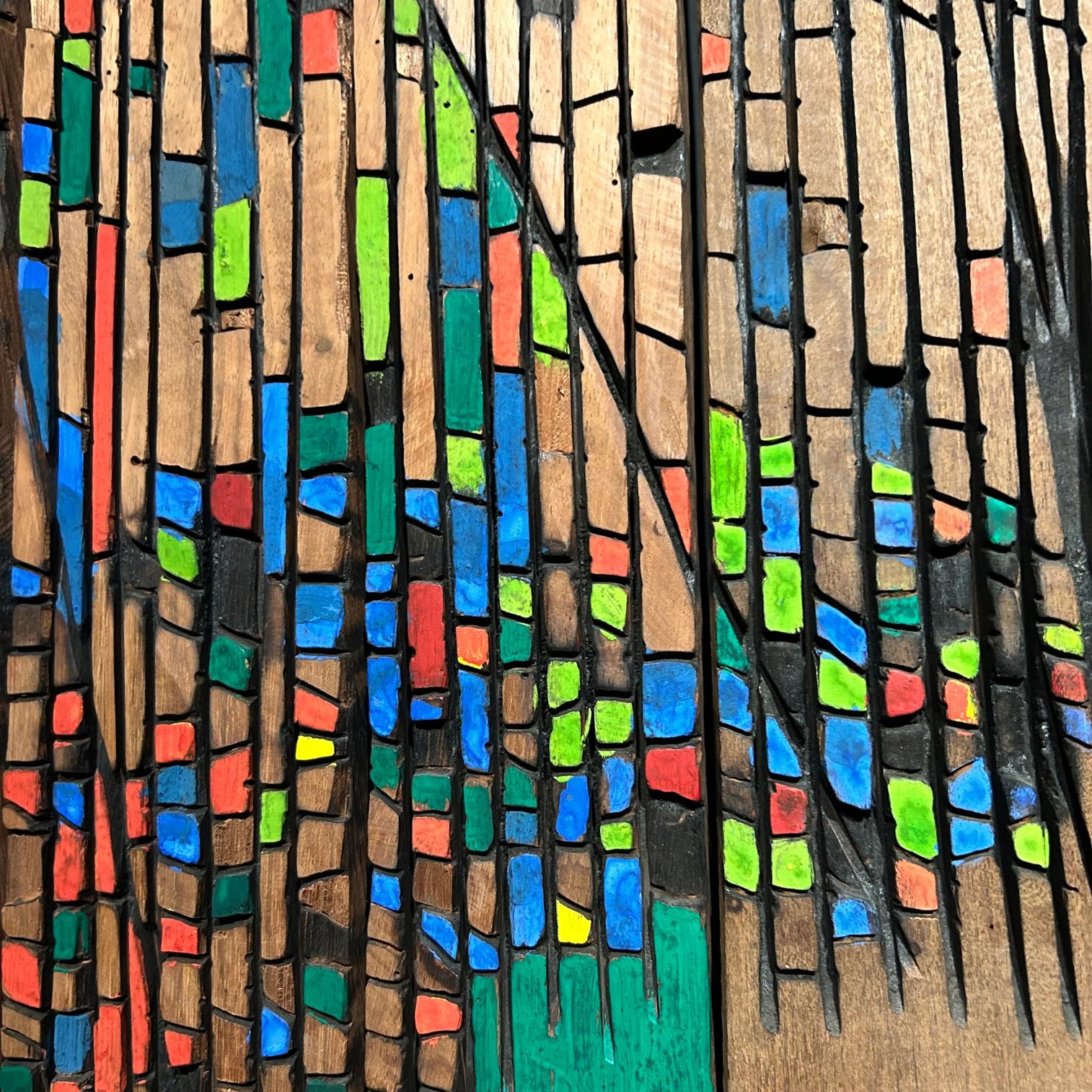
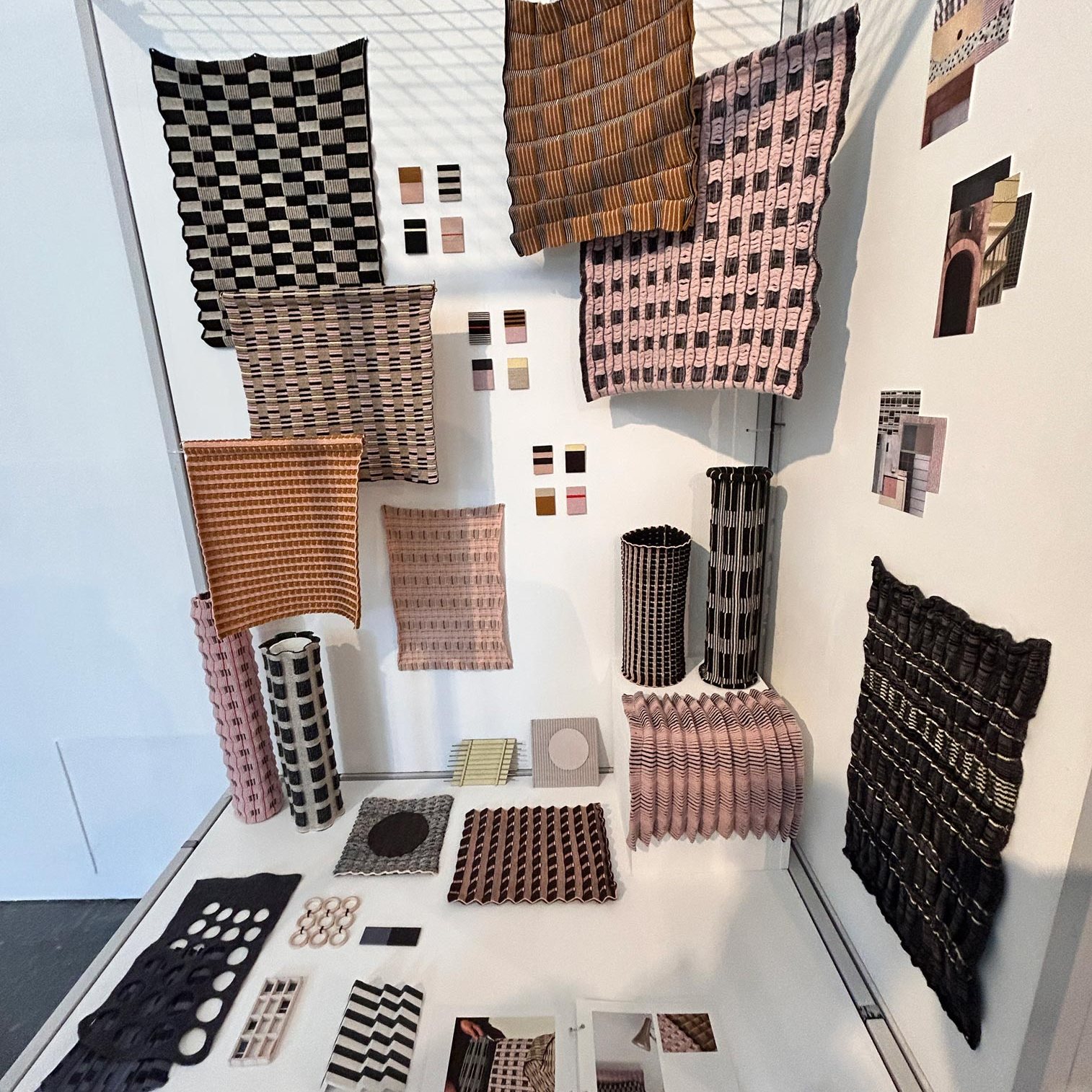
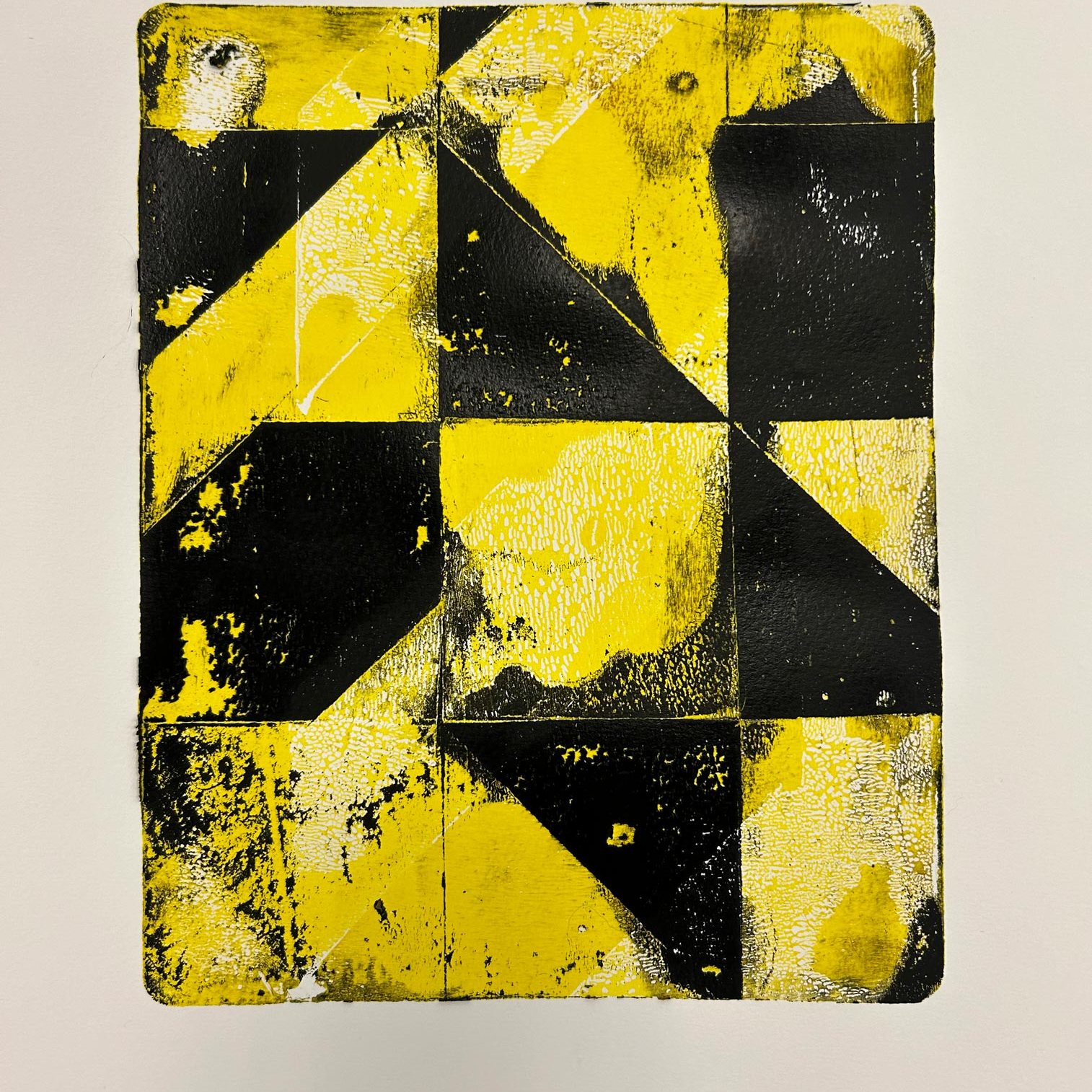
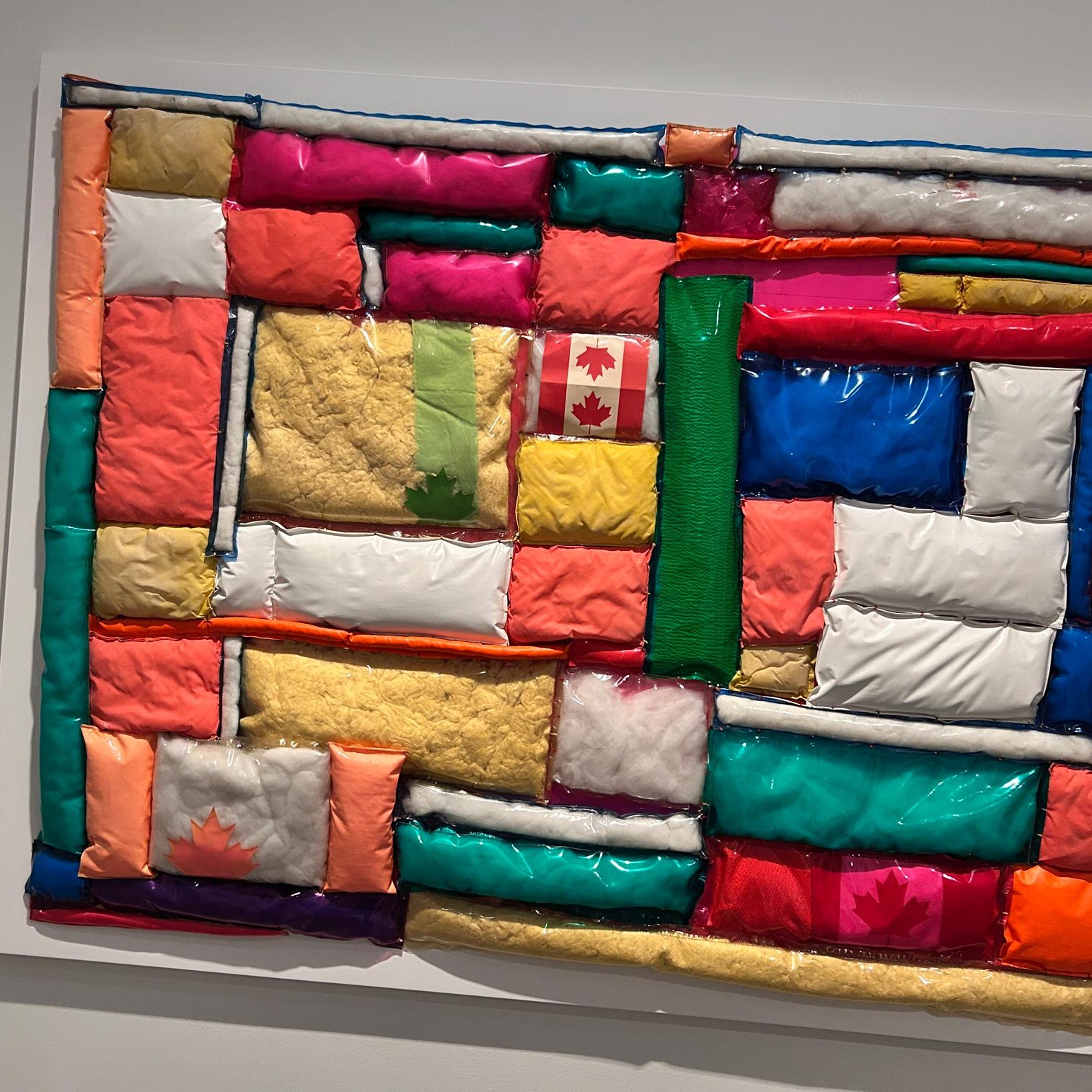
As evidenced by other posts over the last year or so where I discuss Quilting and the Colonial Gaze, the intersection of Systems Art and quilting, and a broader albeit brief overview of a postcolonial perspective on quilting, my practice and interest has moved to an exploration of material, fabric and assembly as ways to apprehend, and make visual analogues of interests in colonialism, migration and diaspora.
This page will serve as a space to chronicle those journeys and experiments. It comes with a rather large caveat – although I work diligently as a maker, I can often forget or overlook documentation, so try not to see this archive as complete or exhaustive.
Quilt 1 Forward the Revolution
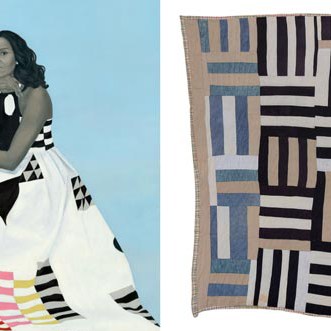
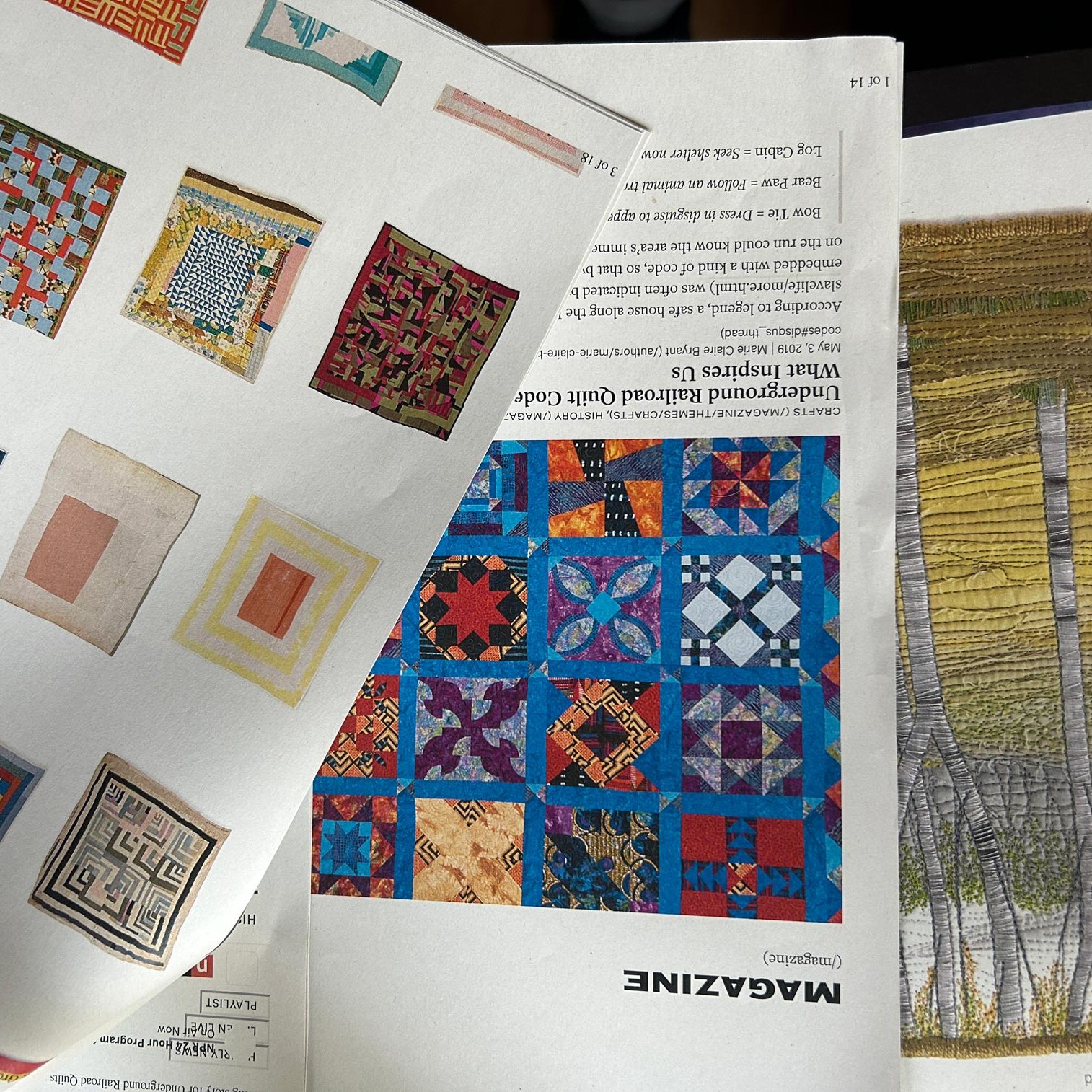
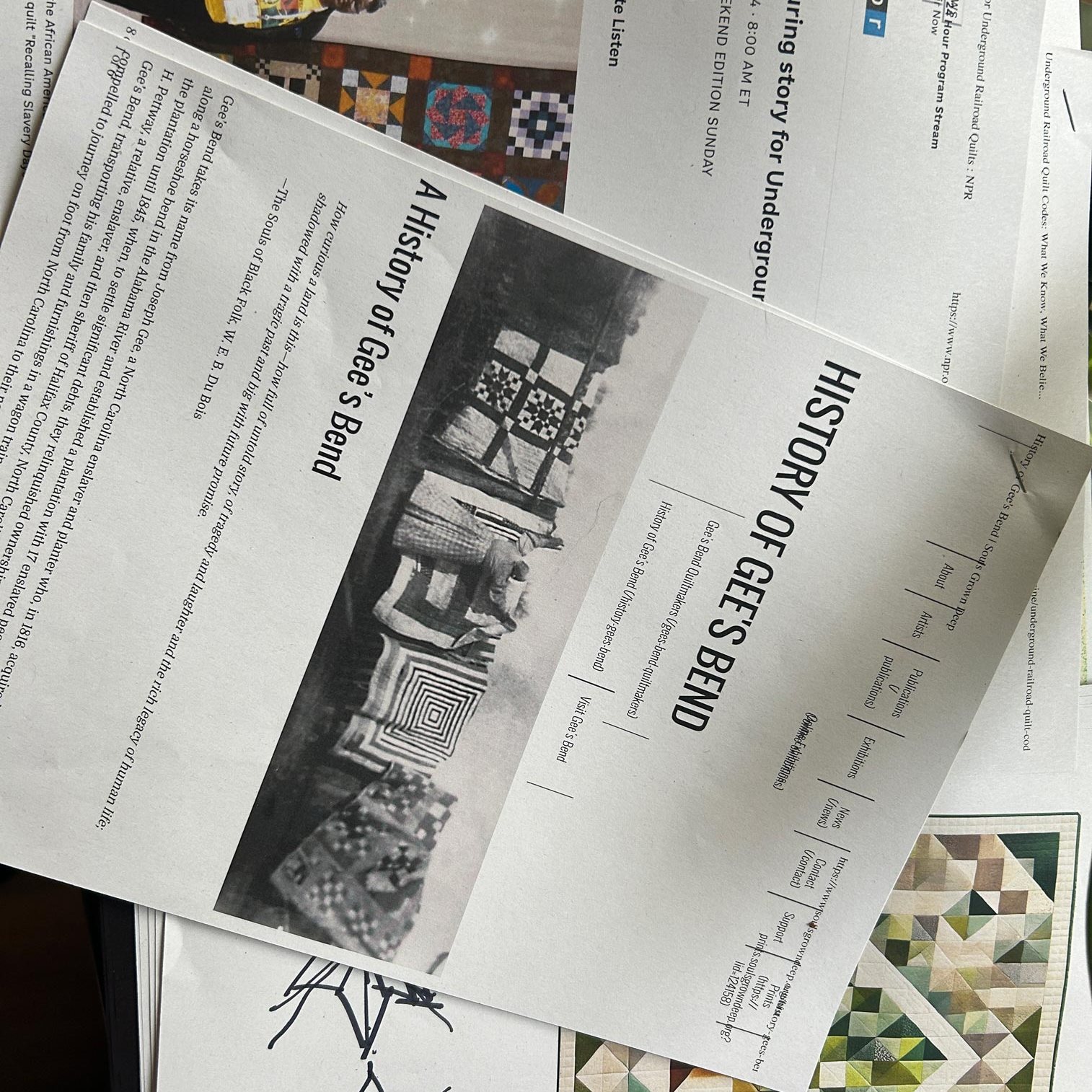
Quilt 6 Whitewashing Gees Bend
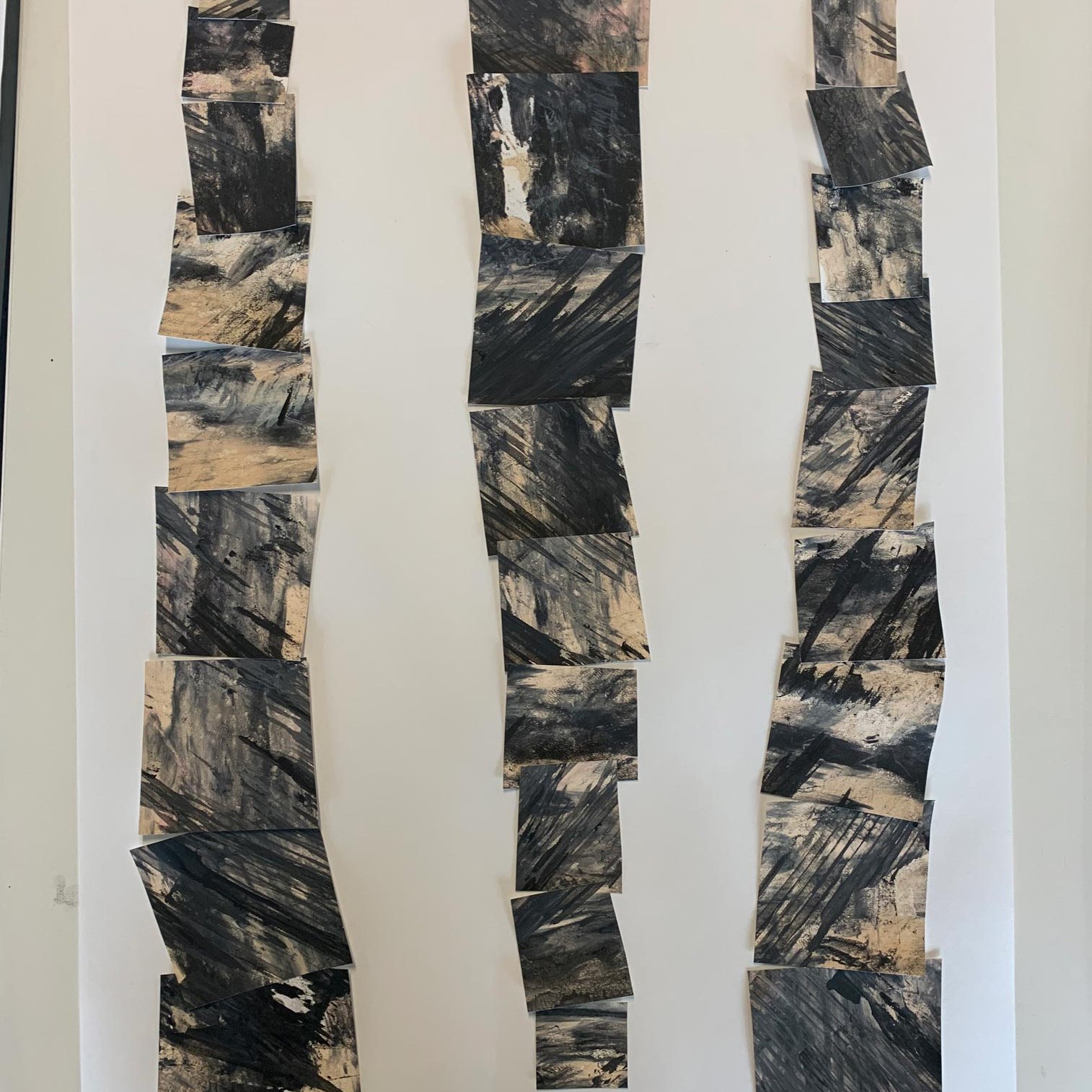
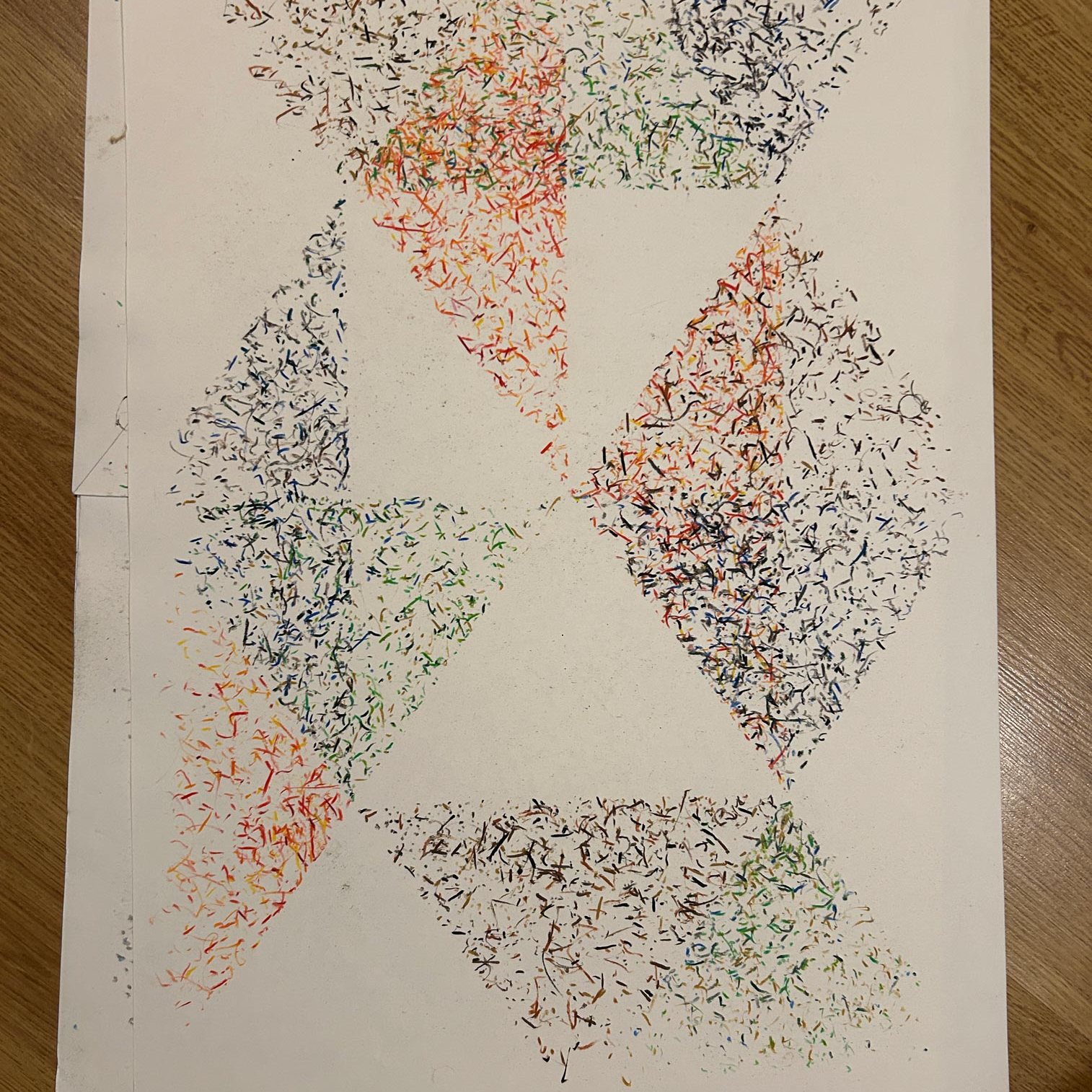
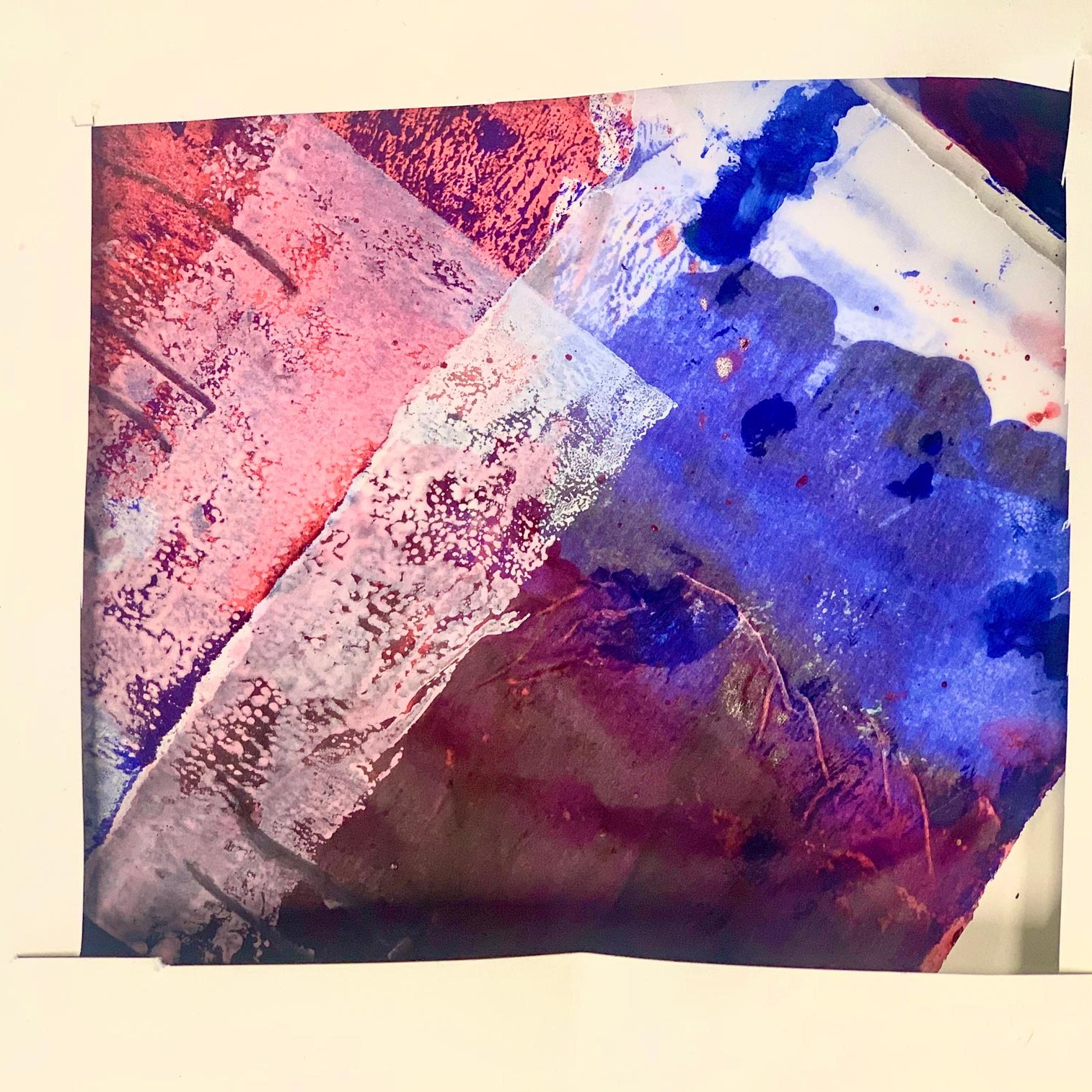
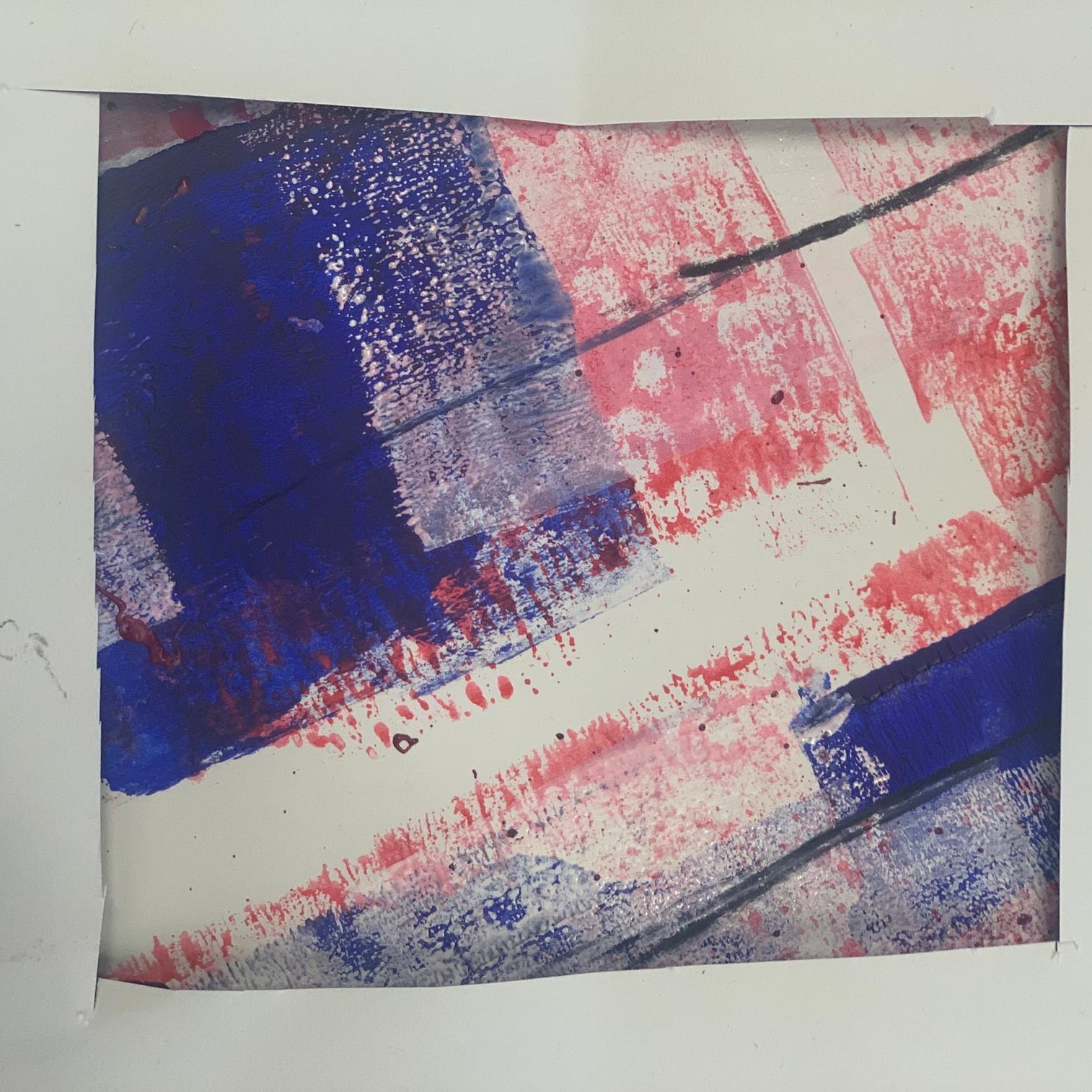
Quilt 7 Exploring Paper Materials
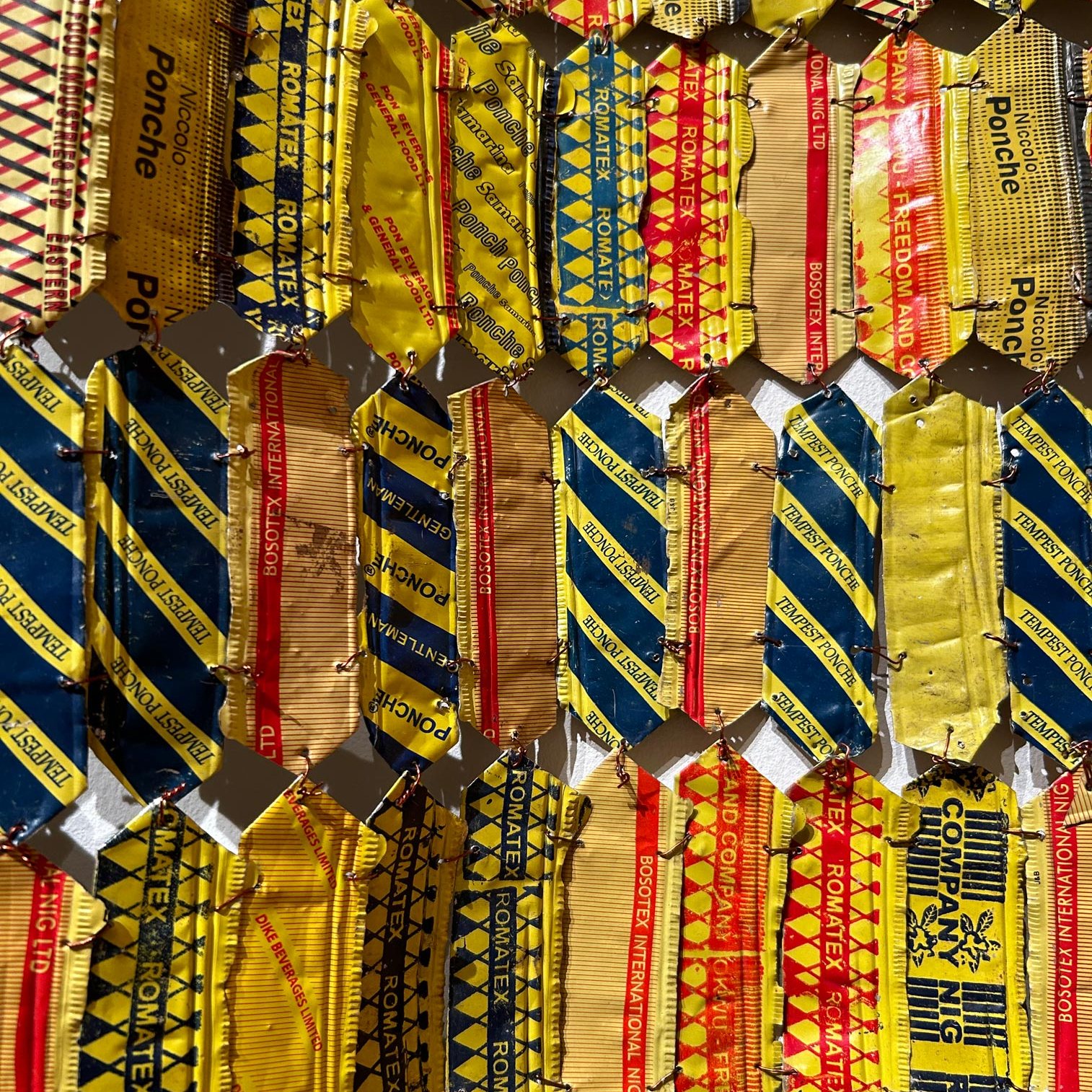
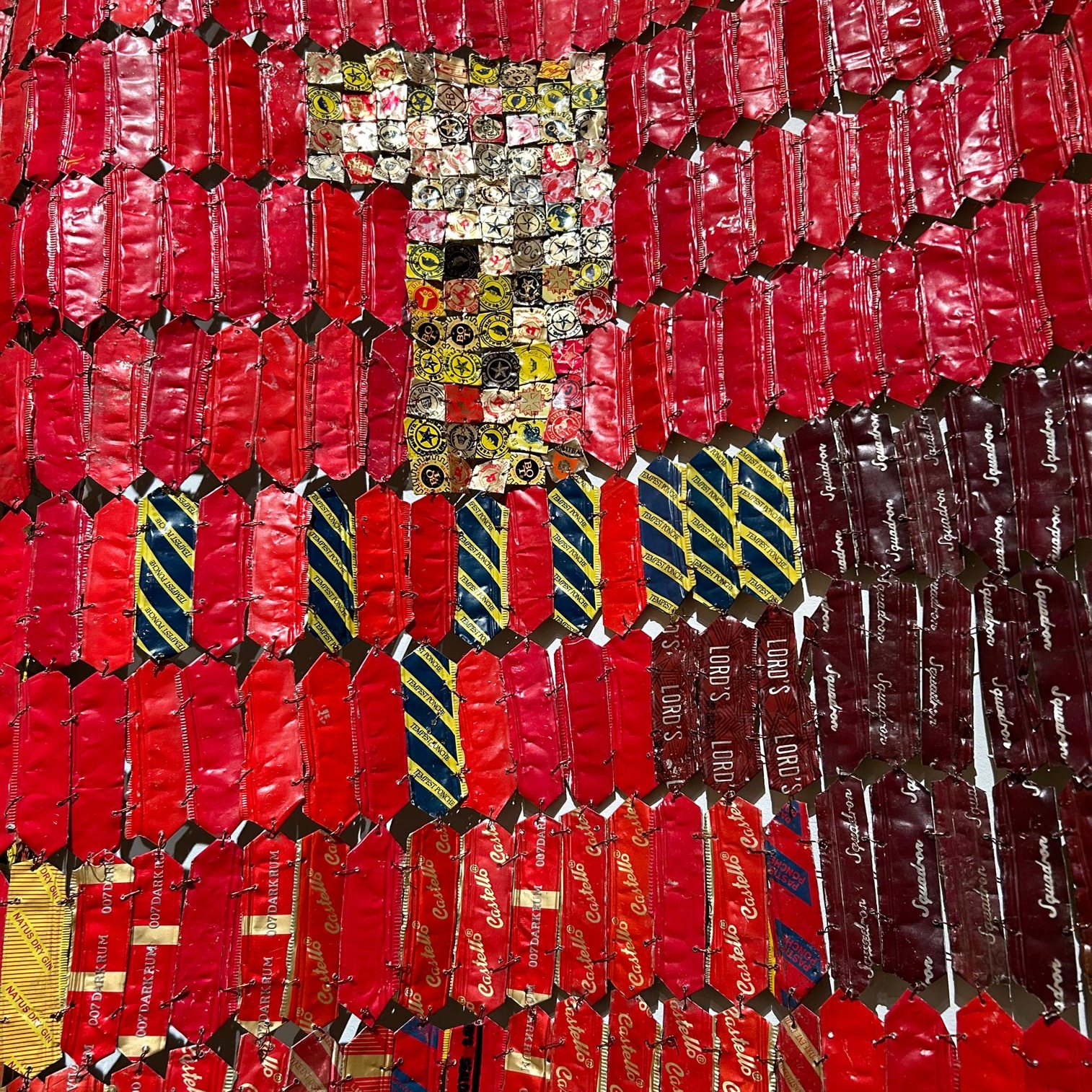
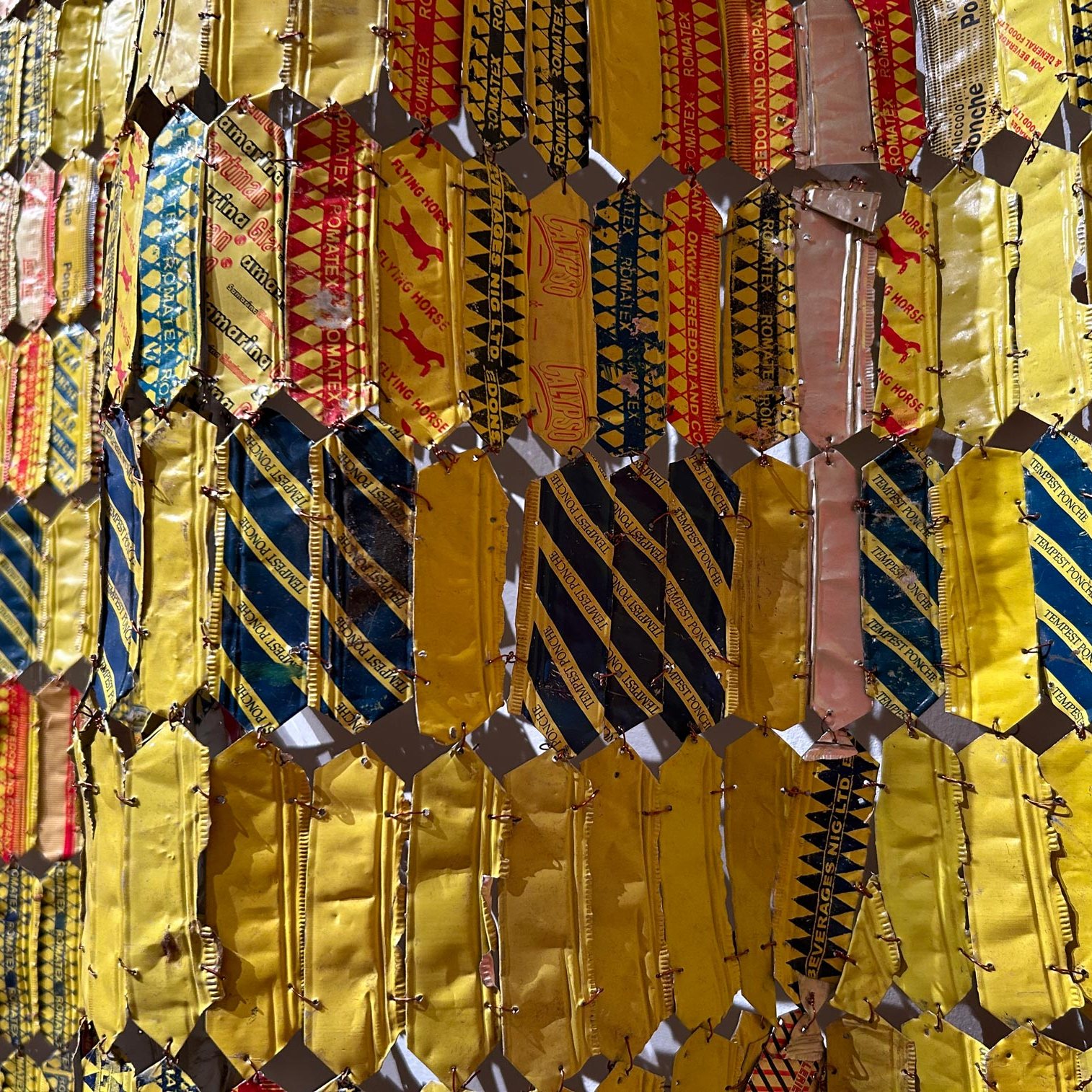
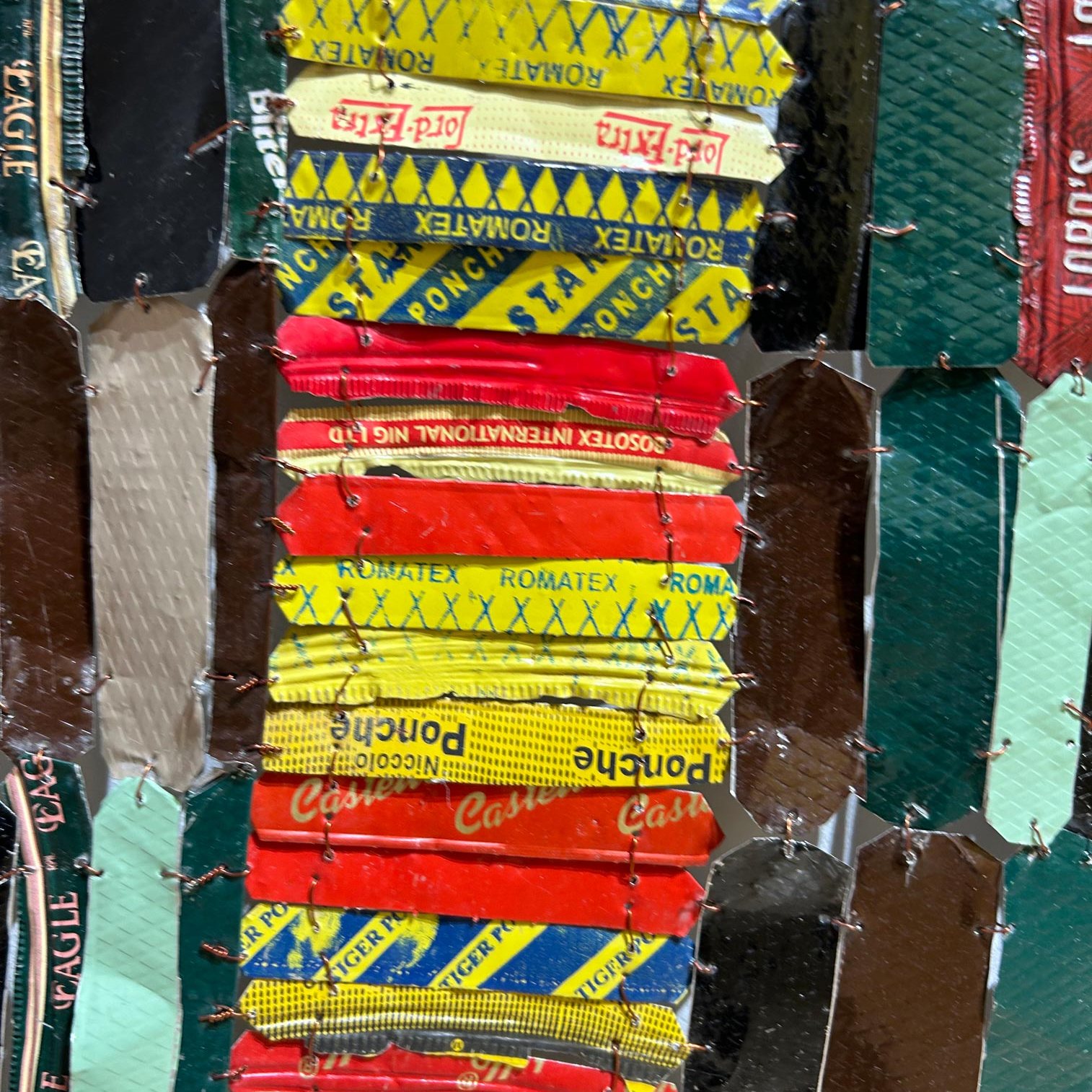
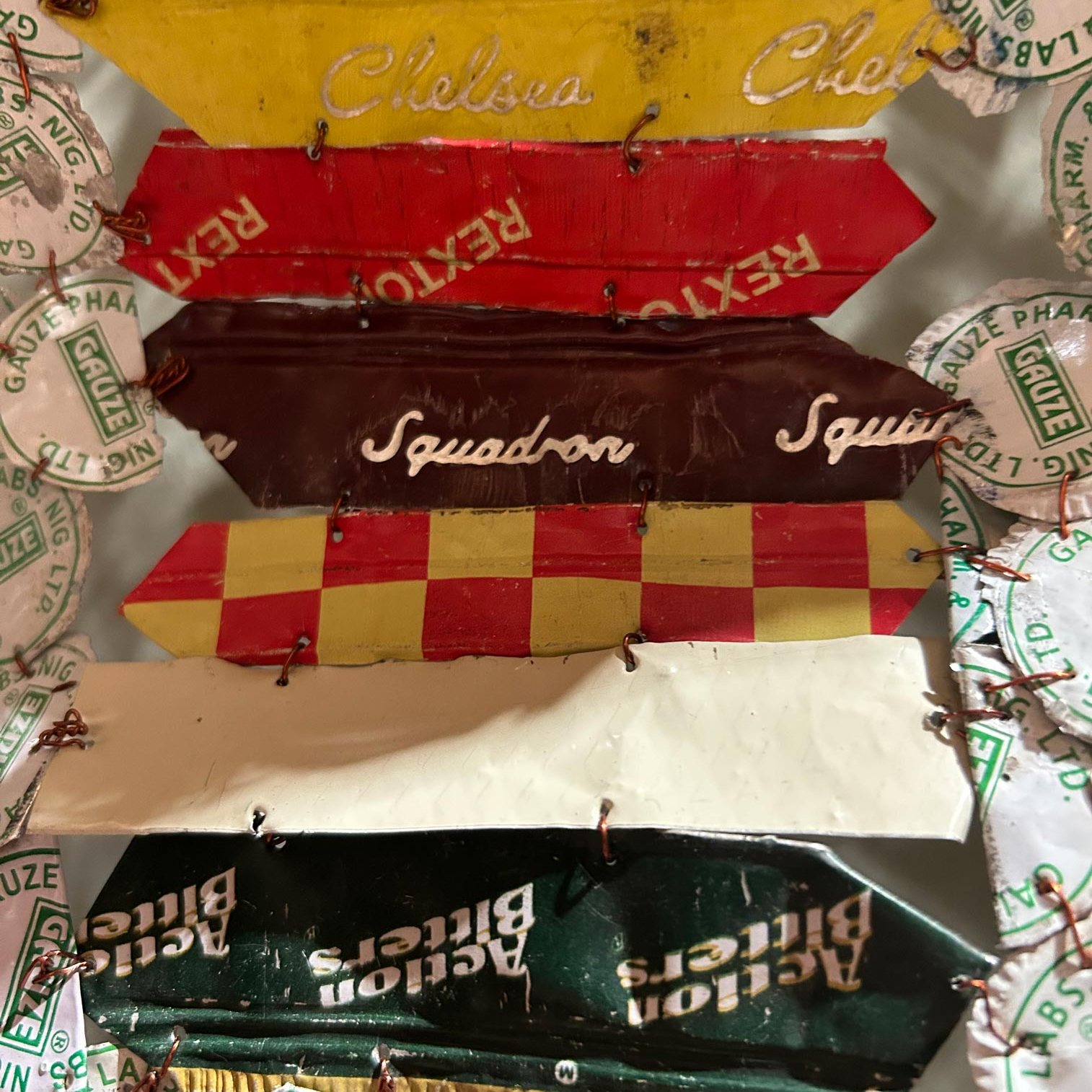
Quilt 8 & 9 Influential Anatsui
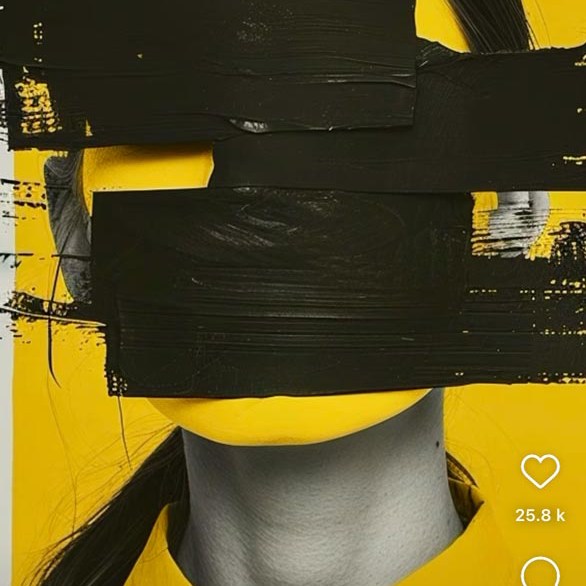
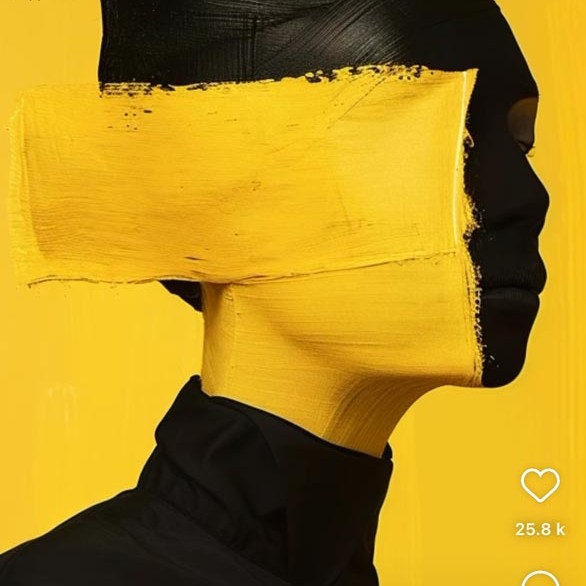
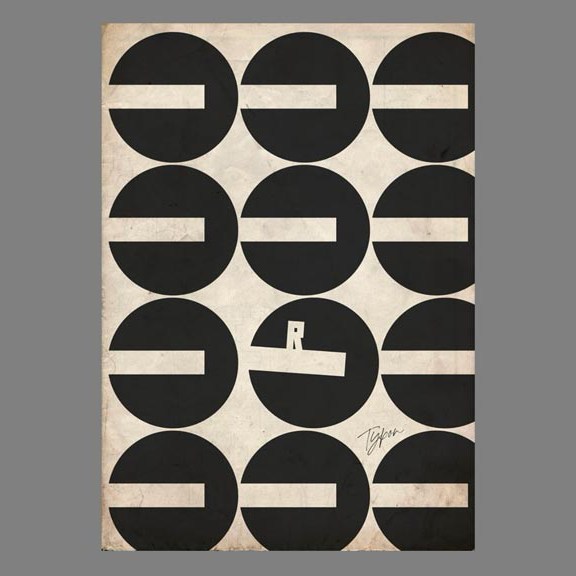
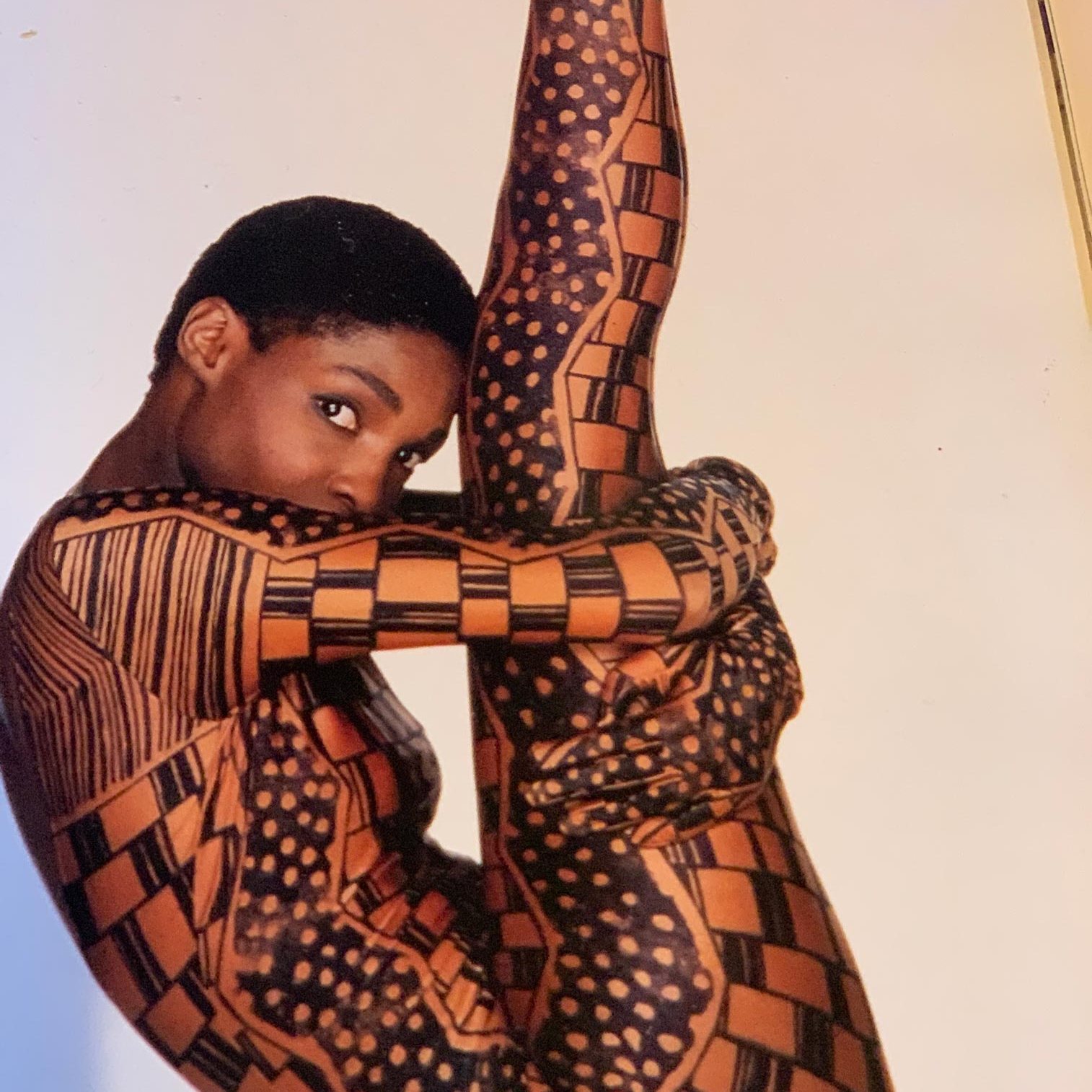
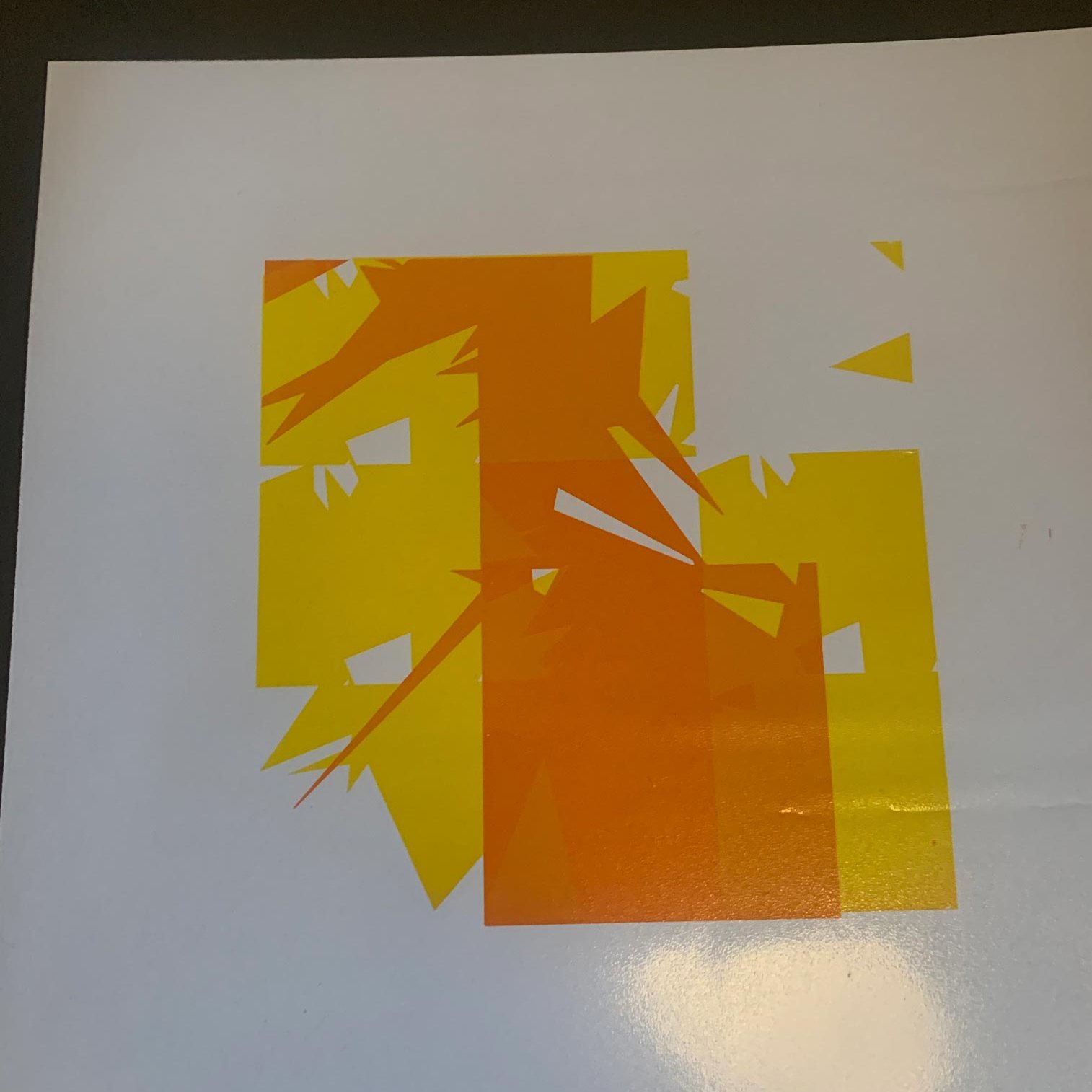
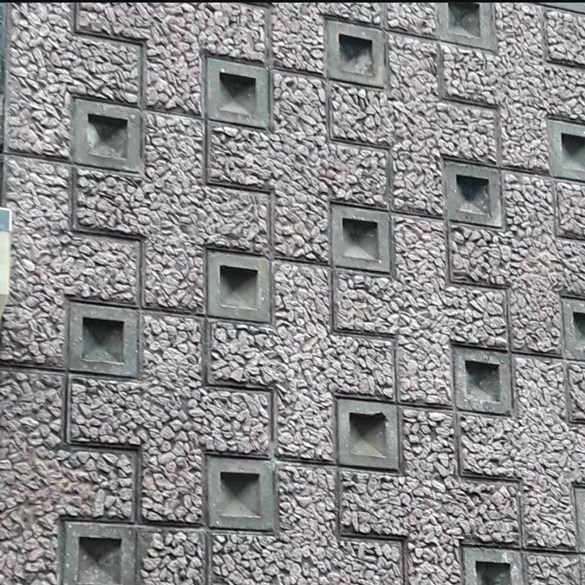
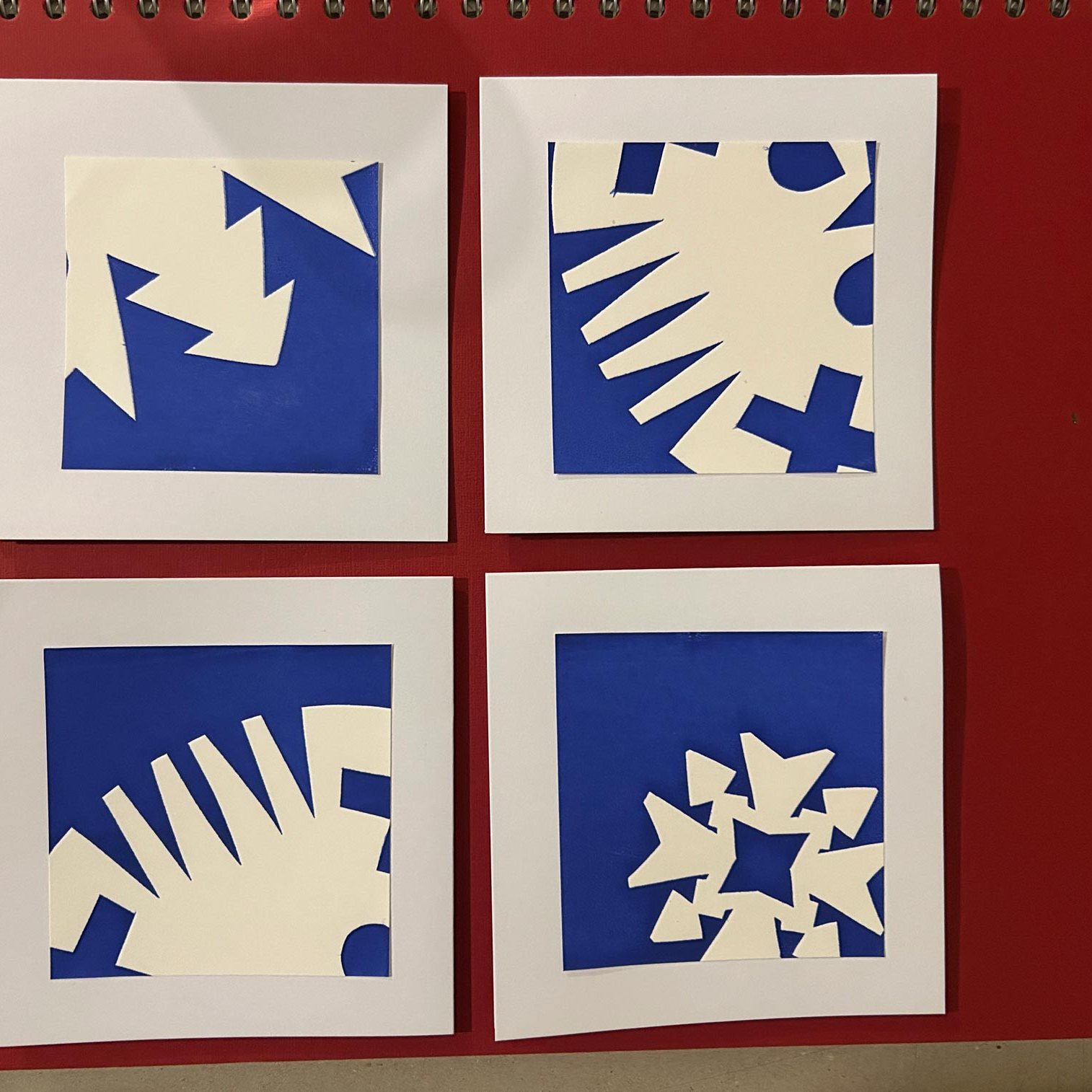
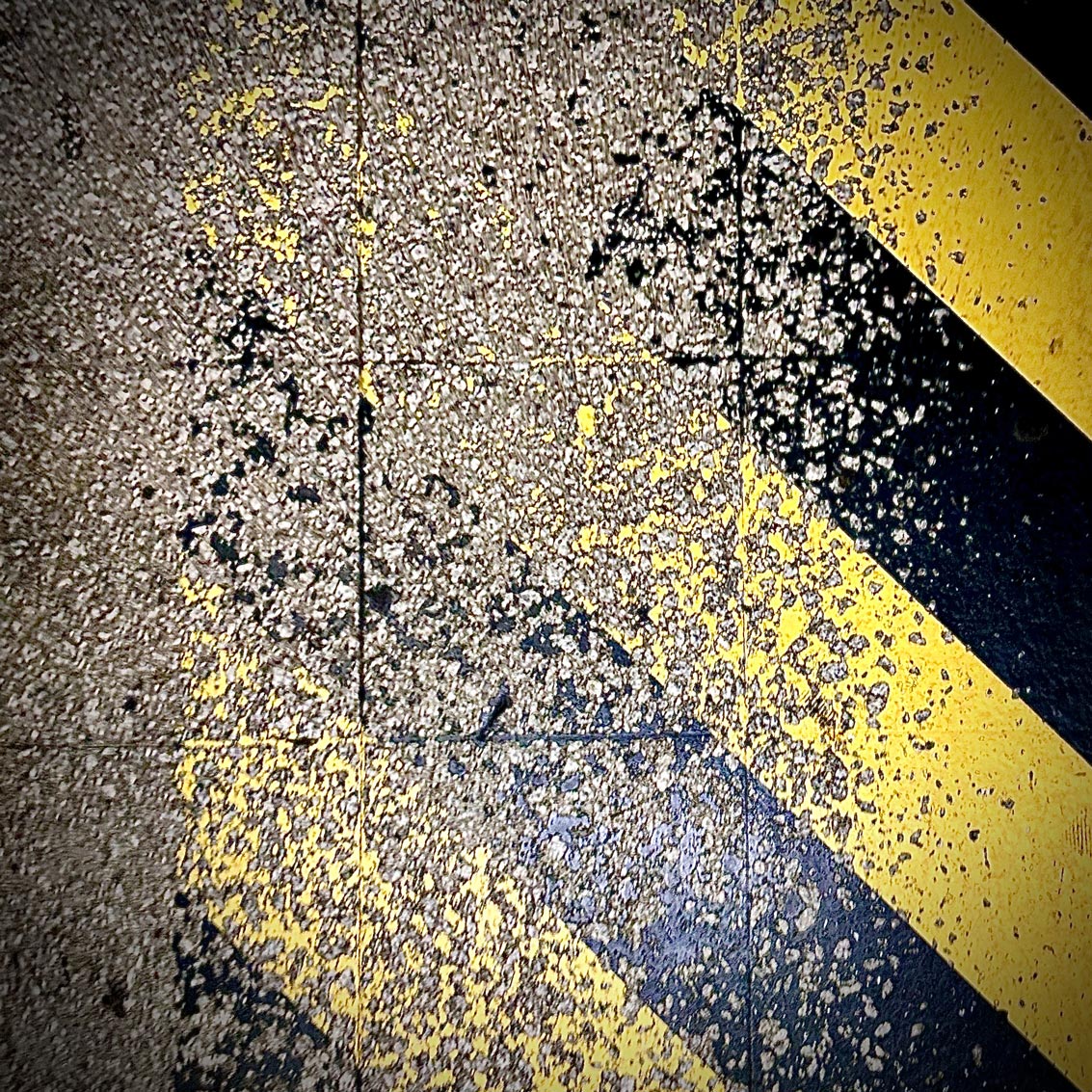
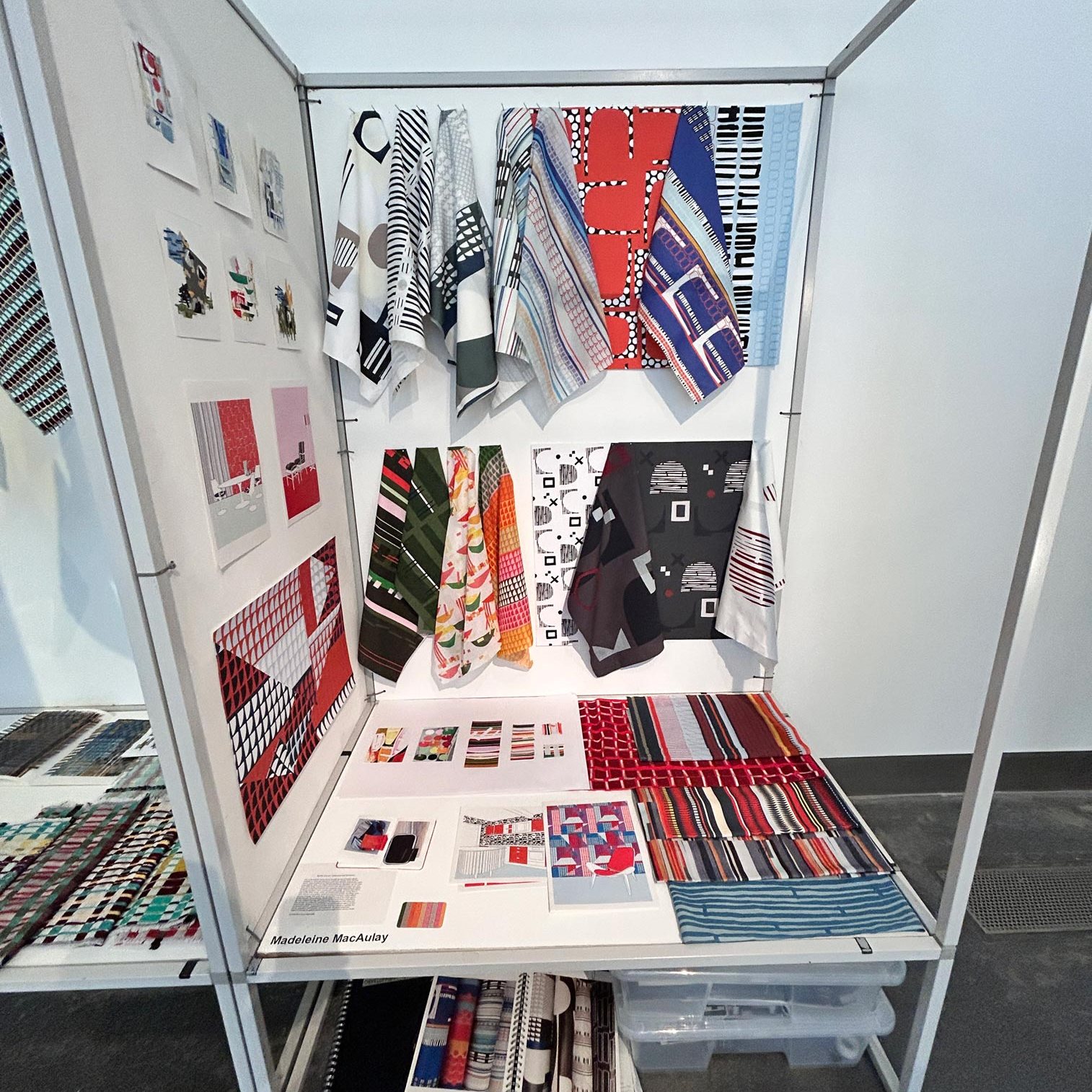
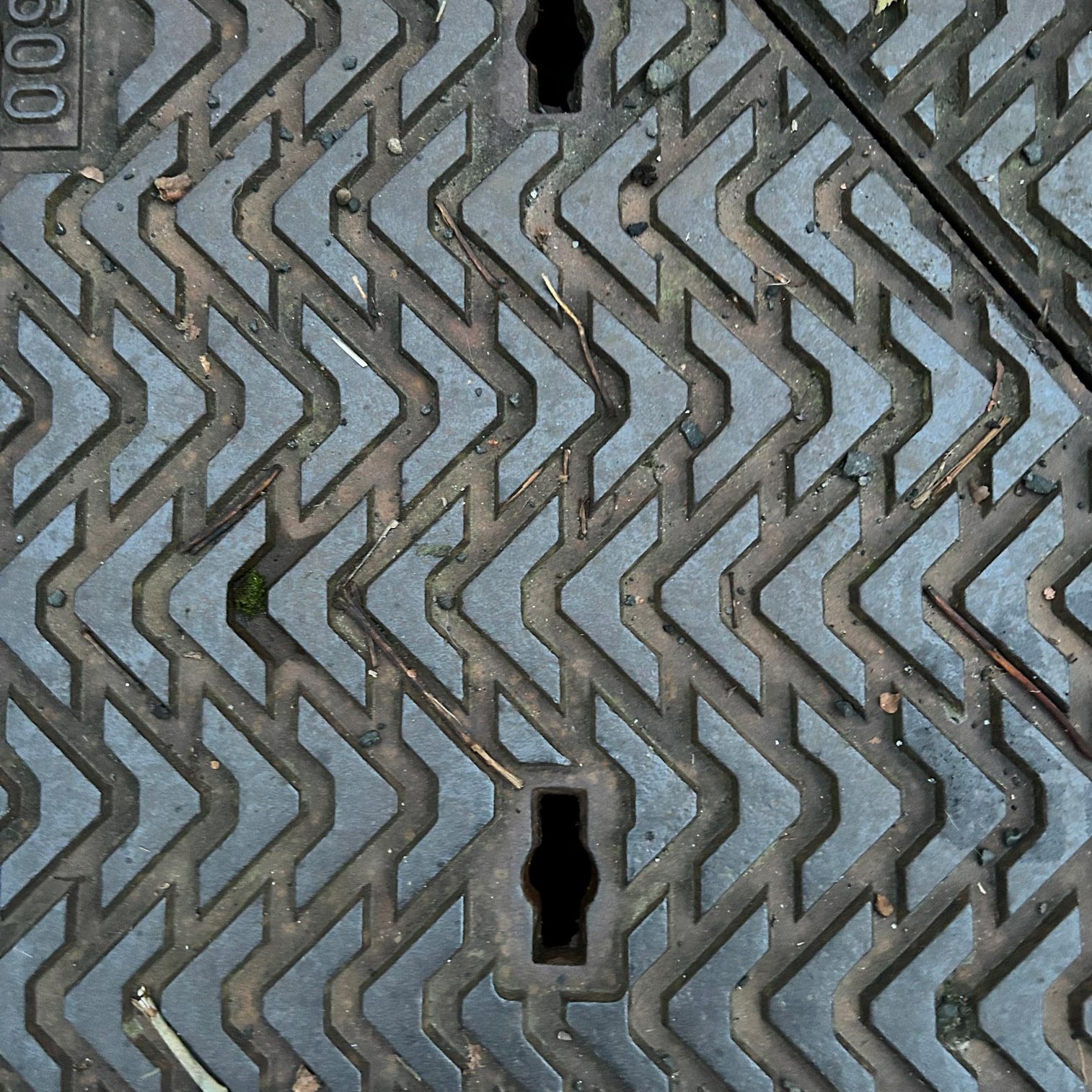
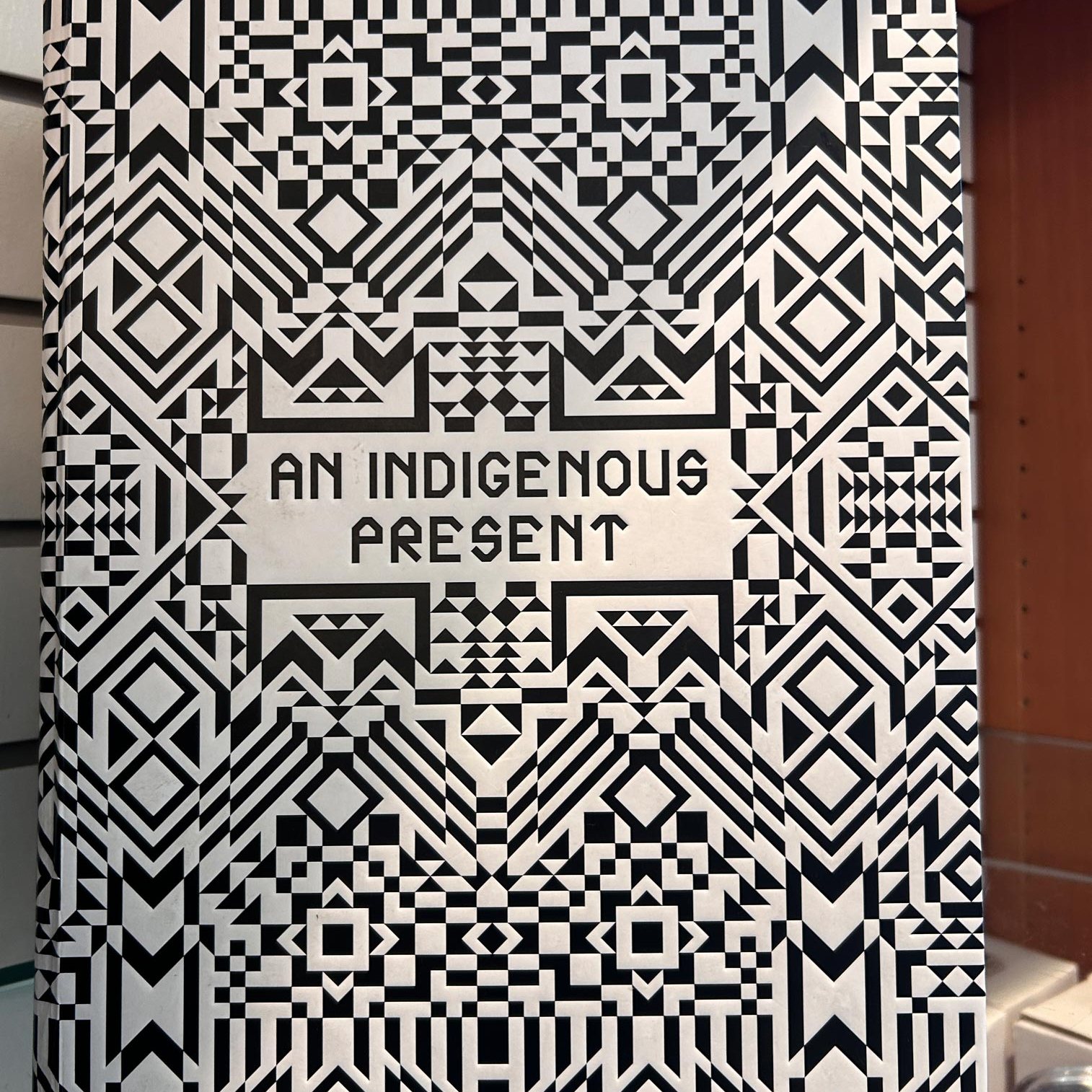
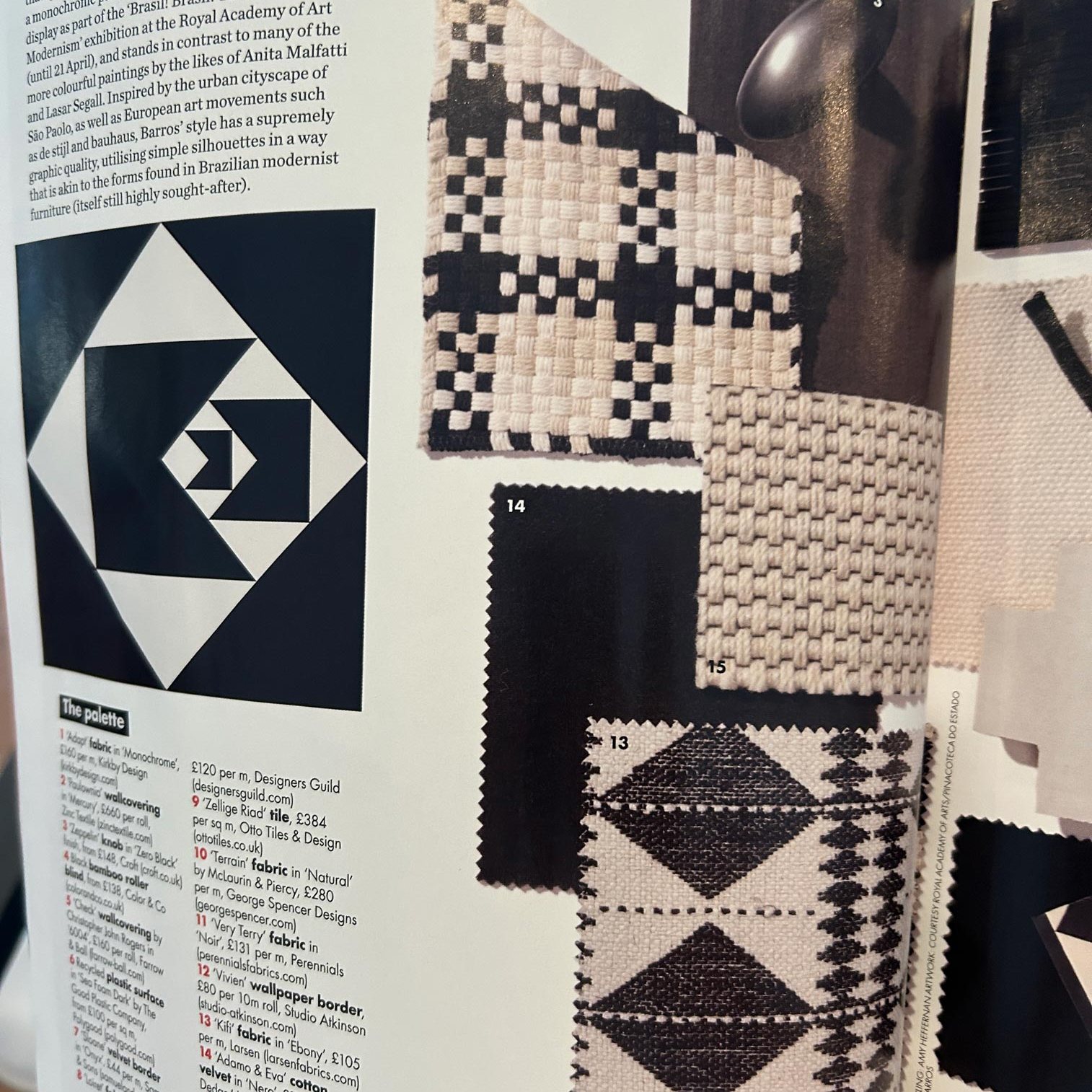
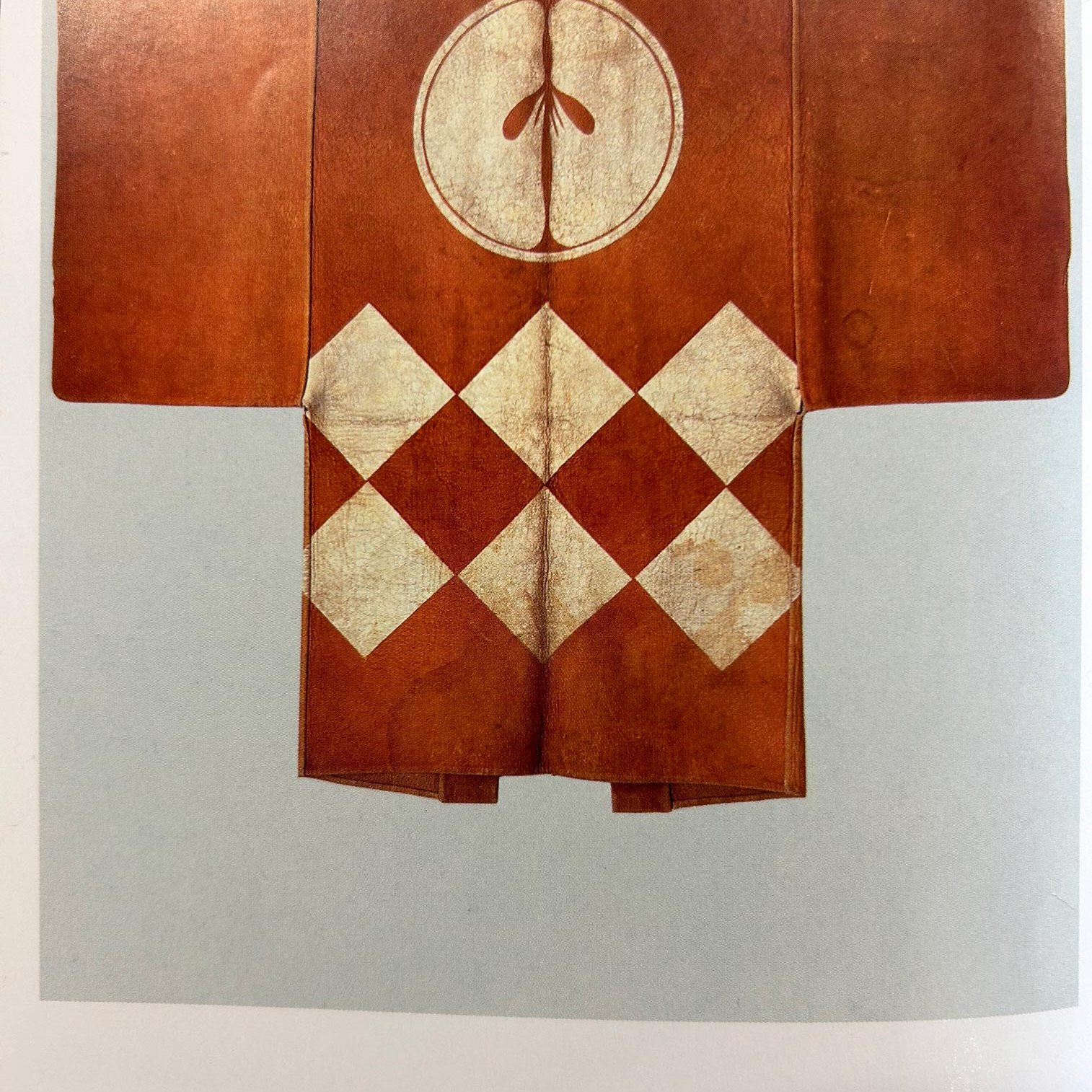
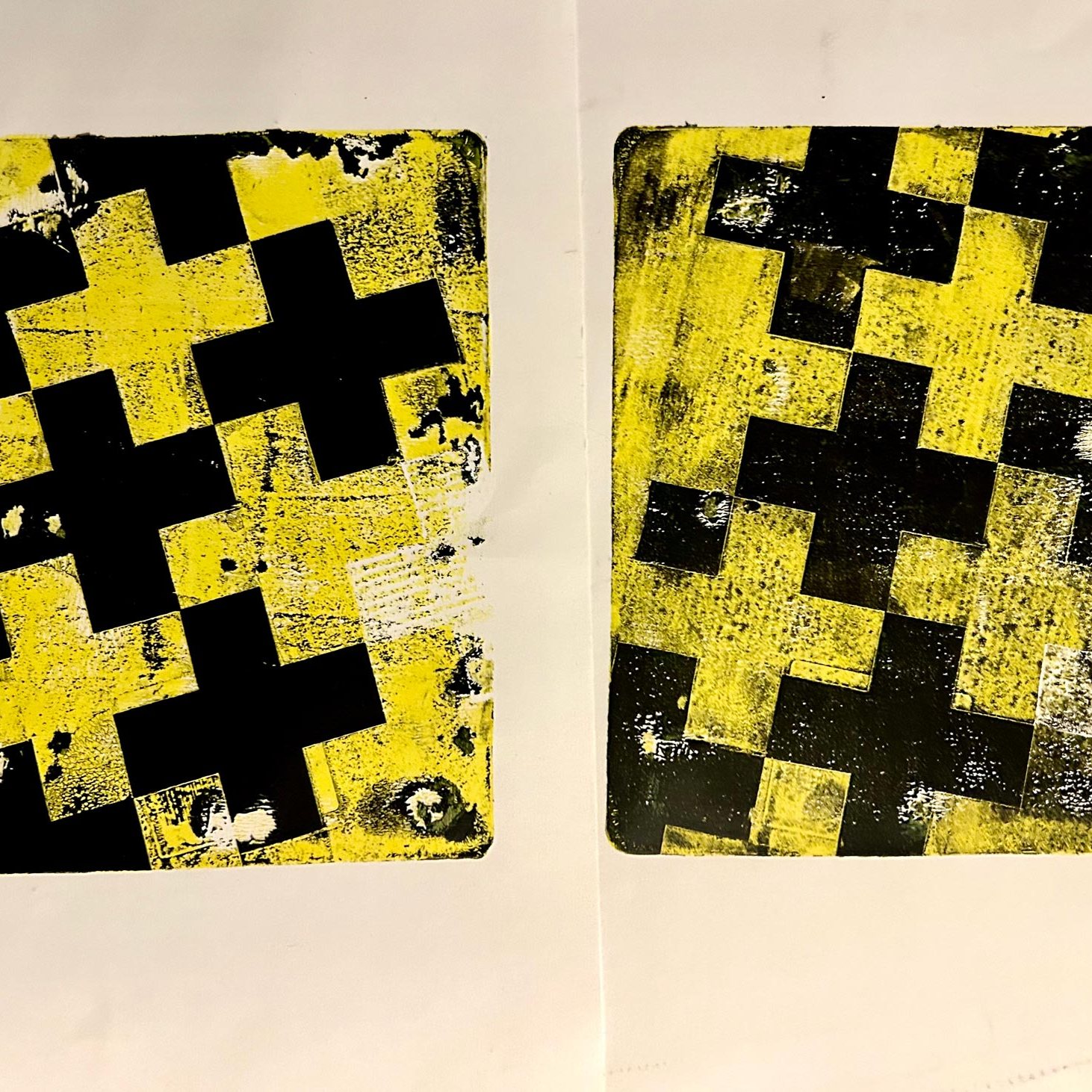
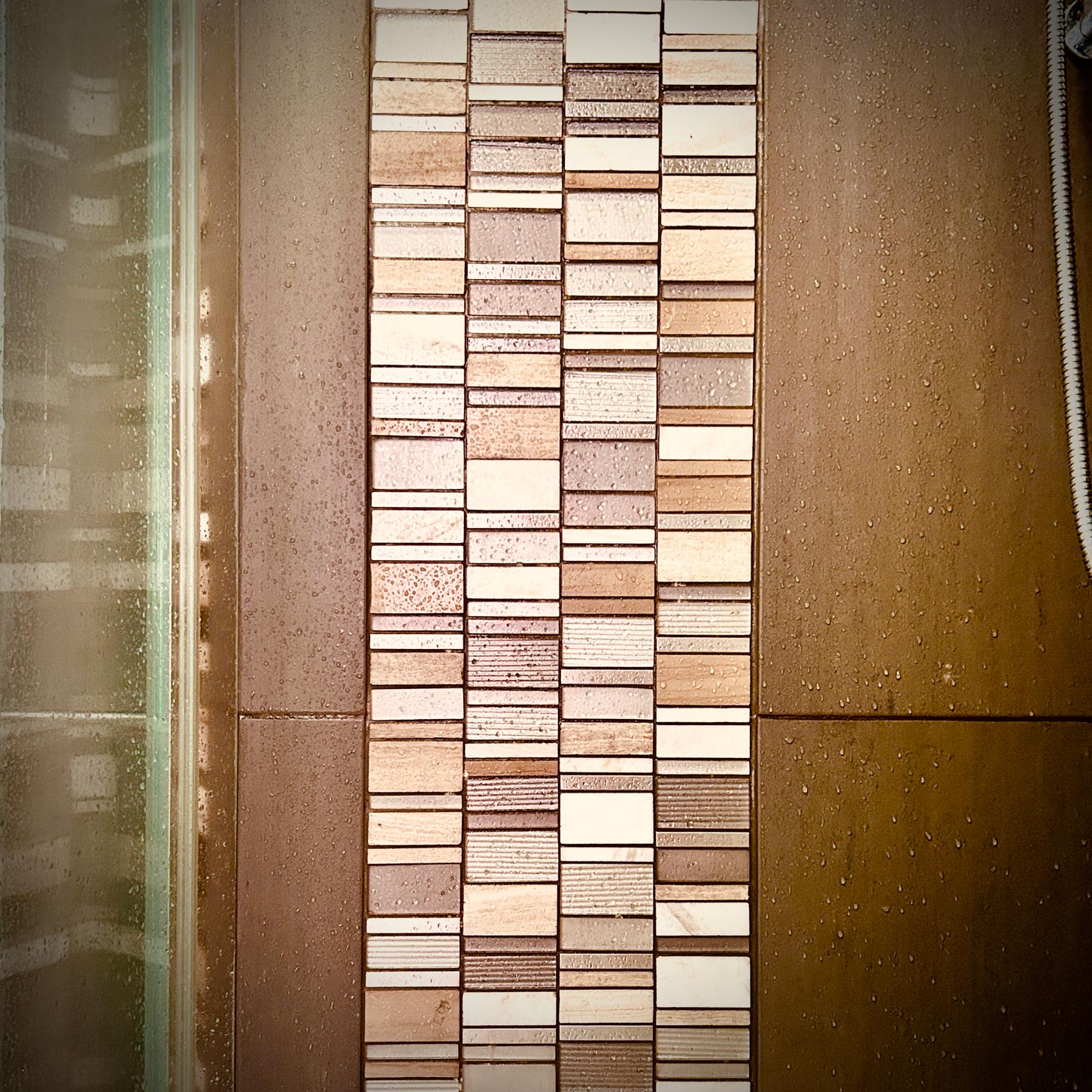
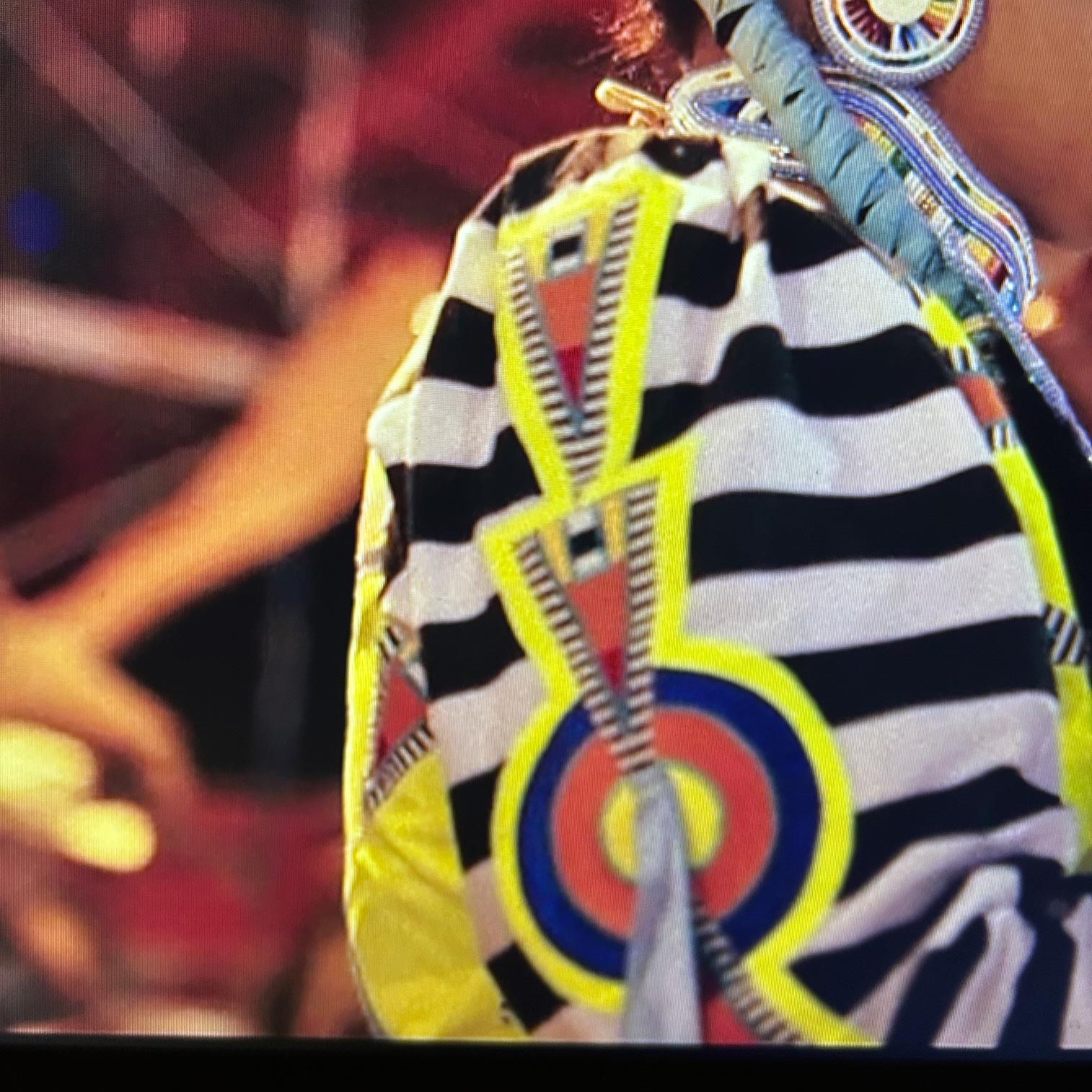
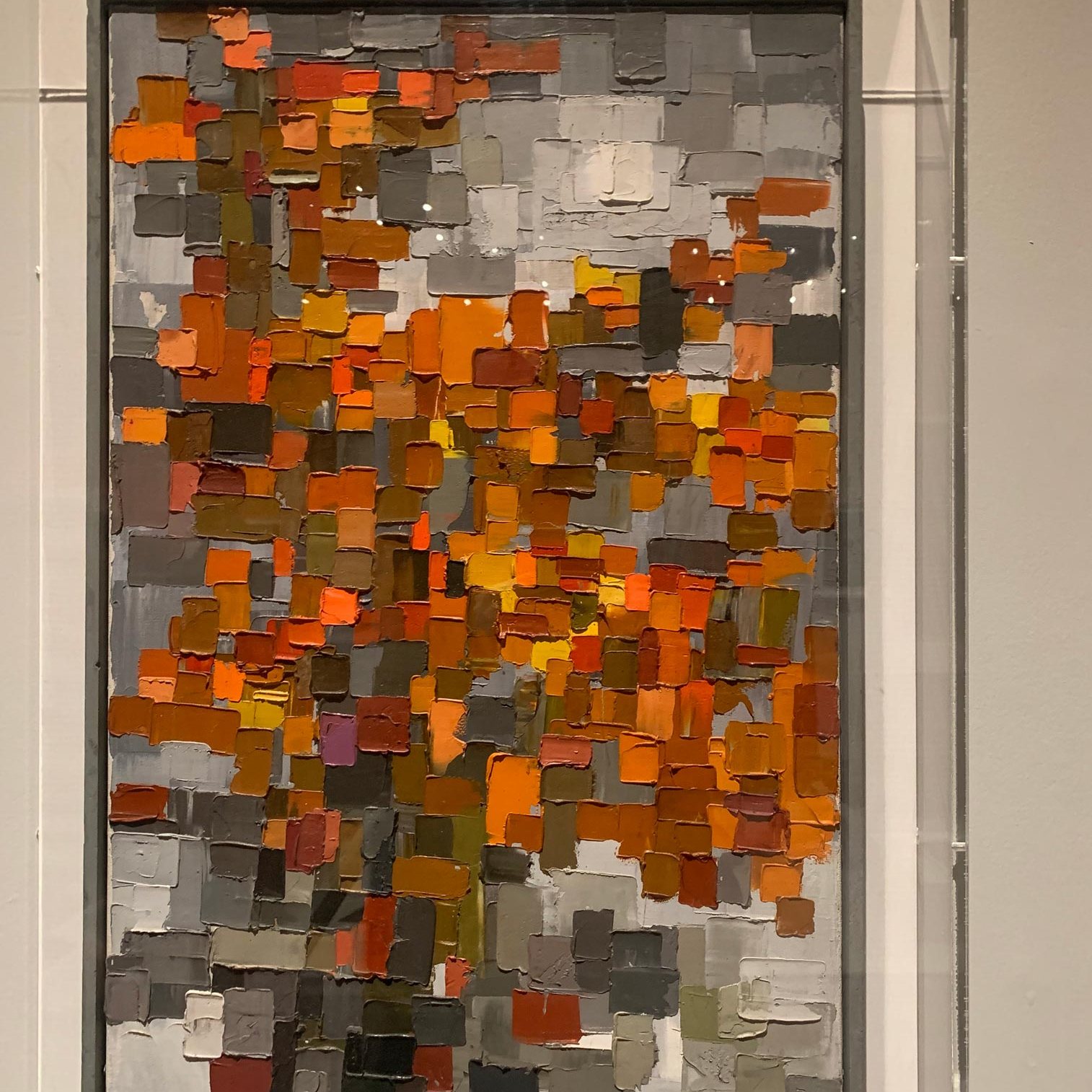
Inspiration
I tend to agree with those who argue that the creative process is a continuous cycle of observing, researching and making. These activities are gradually synthesised through experimentation, moving ever closer to an idea that remains tantalisingly out of reach, its goalposts constantly shifting.
The sheer volume and saturation of contemporary visual culture, the appearance of a new text on a subject close to our interests, and the continual discovery and rediscovery of ideas, theories and discourses keep many creative practitioners in a perpetual state of catching up. There is always another influence to absorb, another connection to make, another perspective to consider.
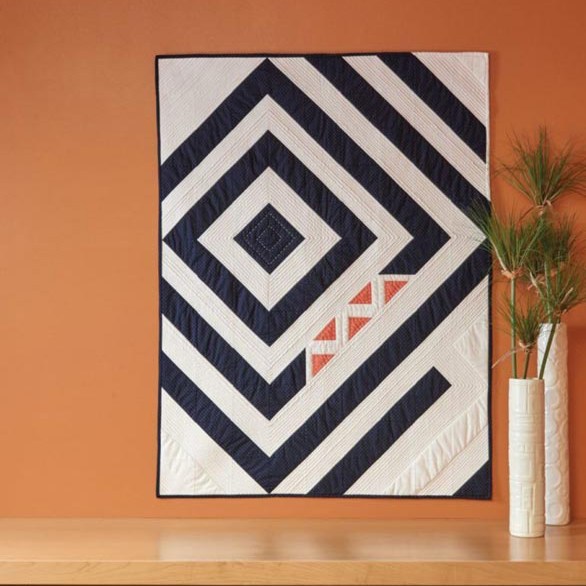
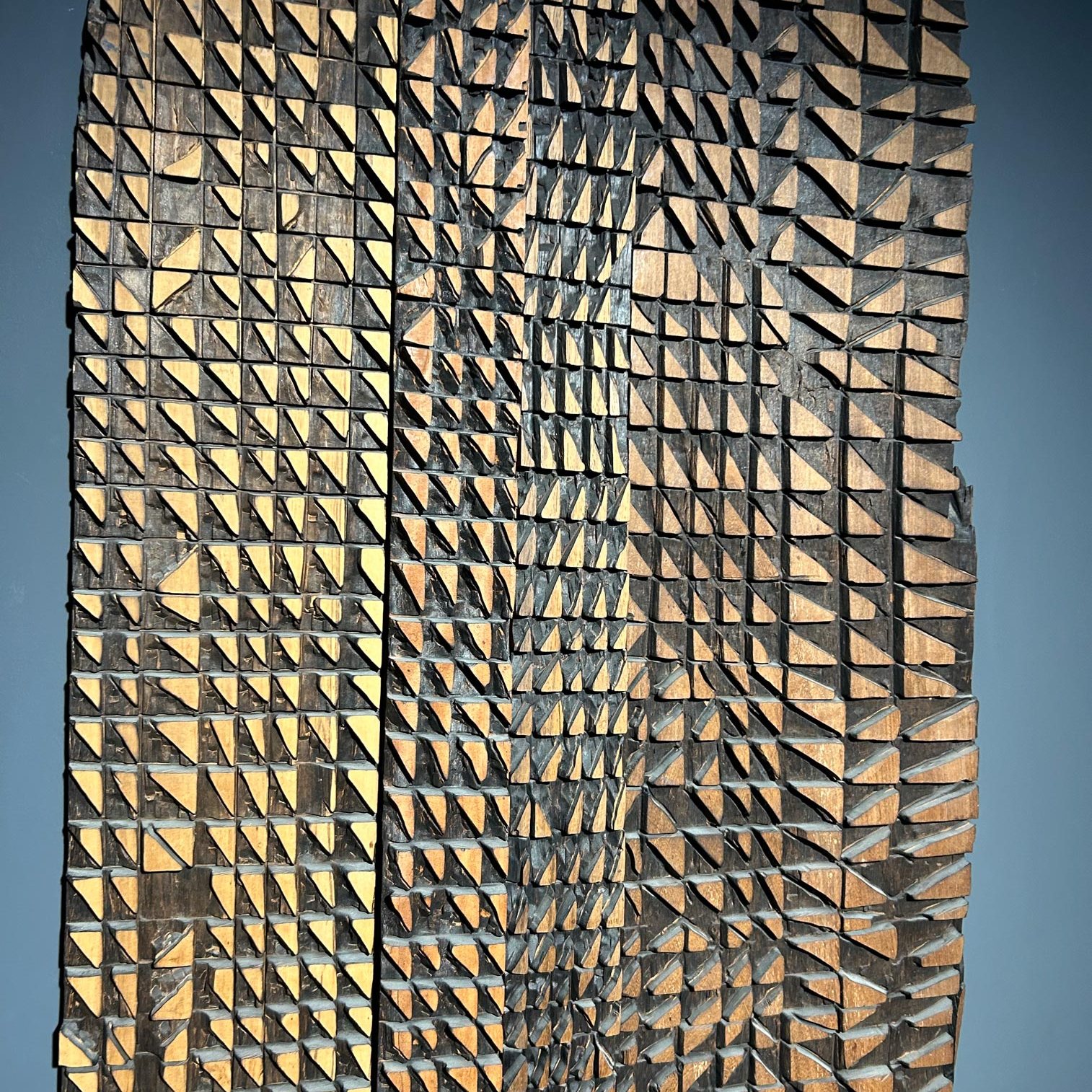
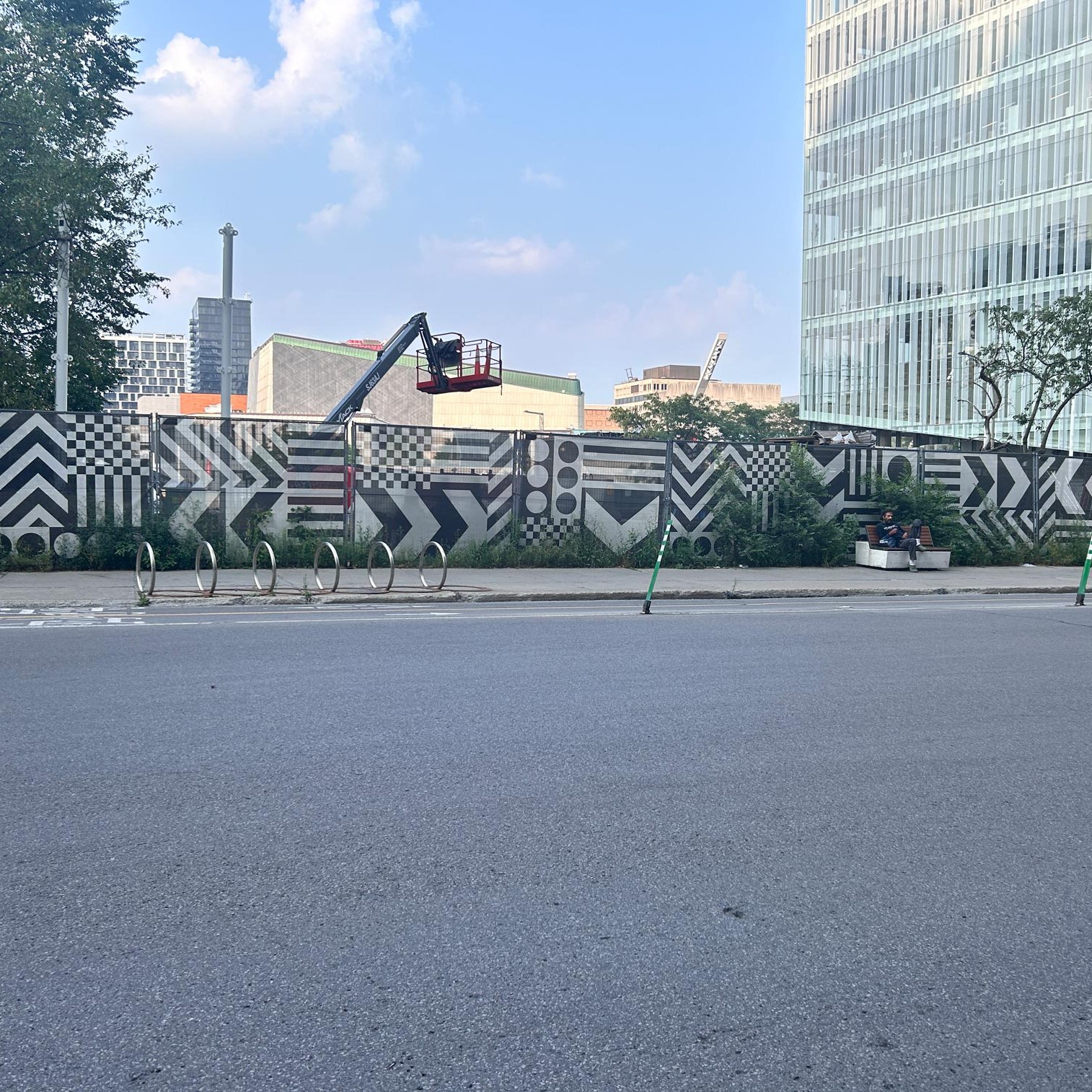
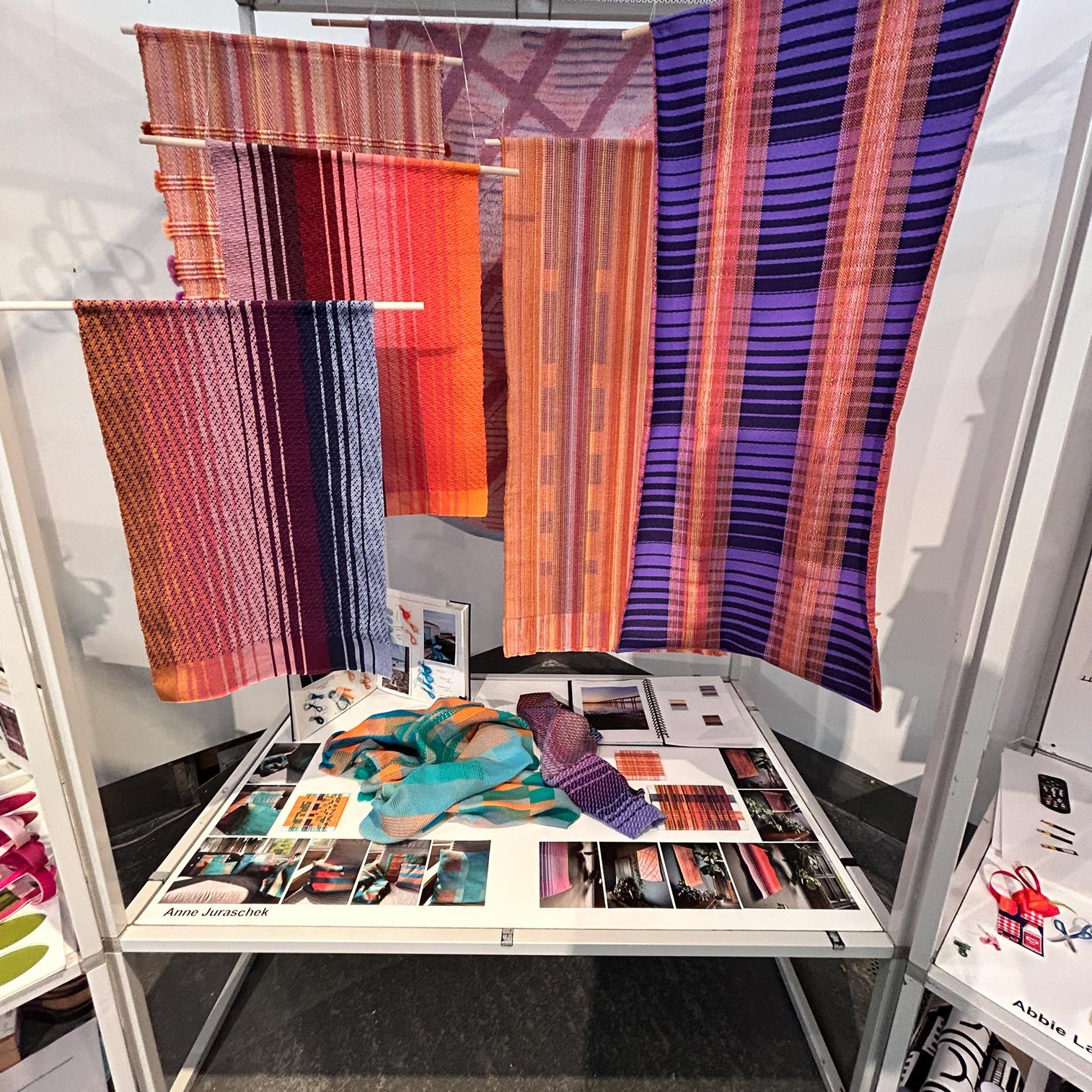
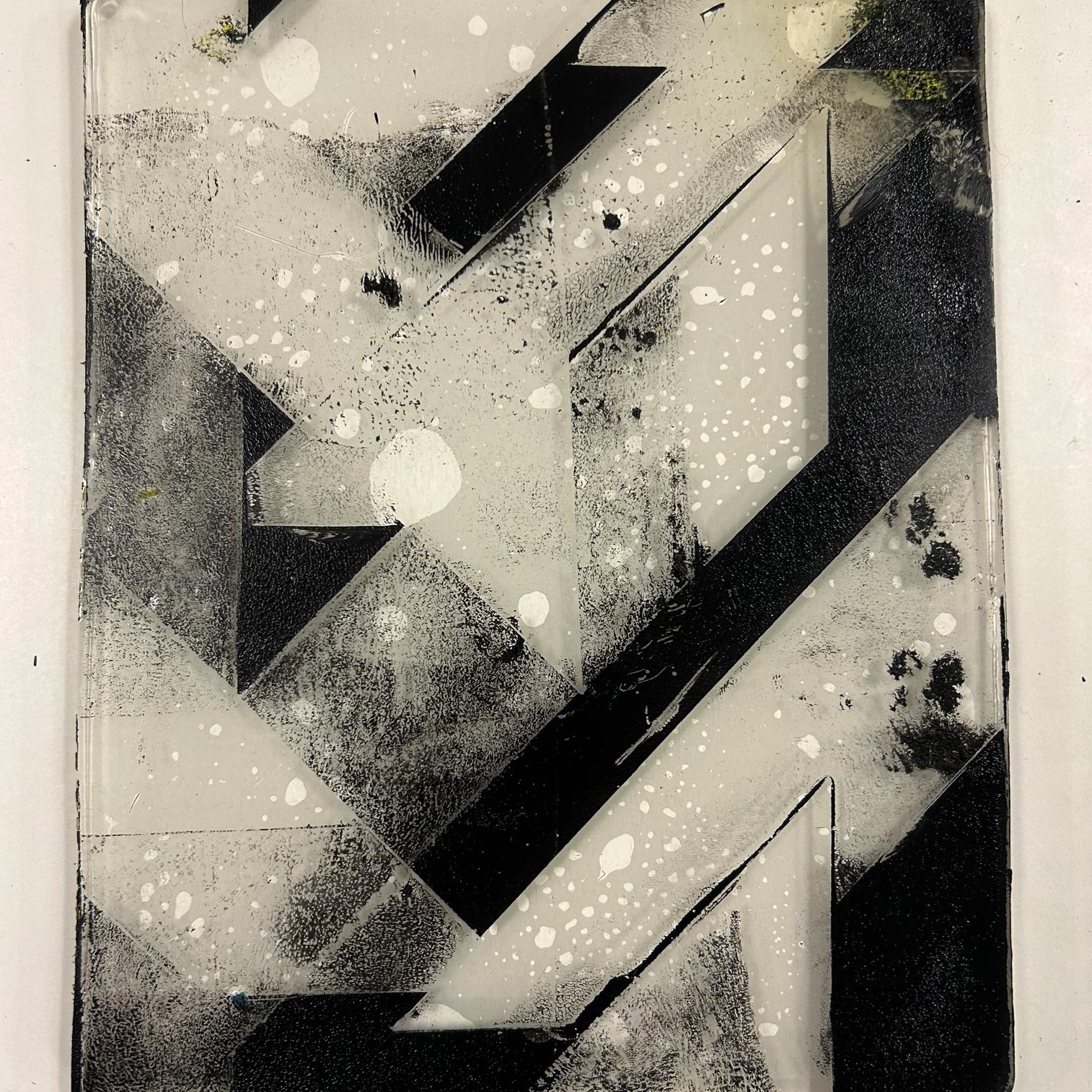
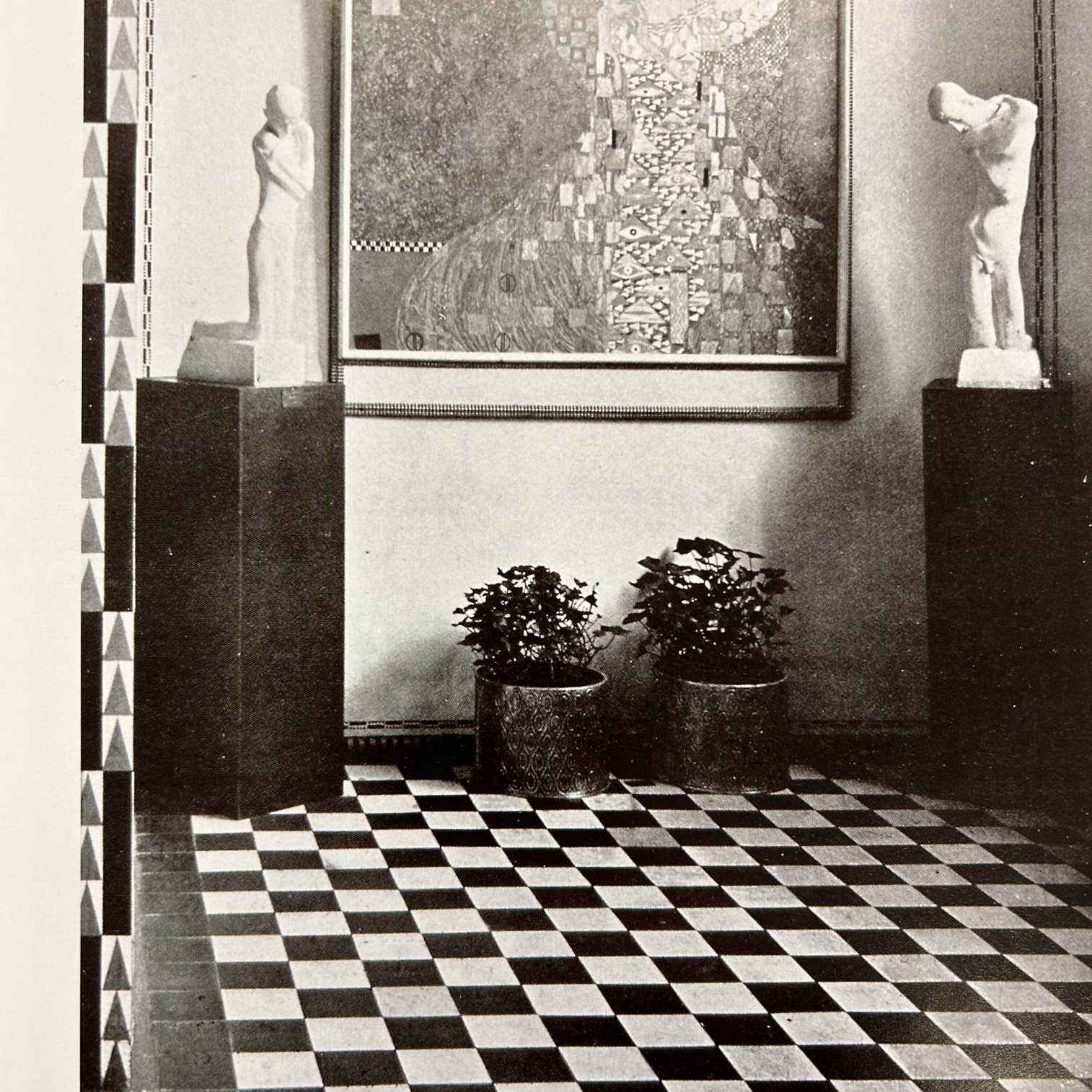
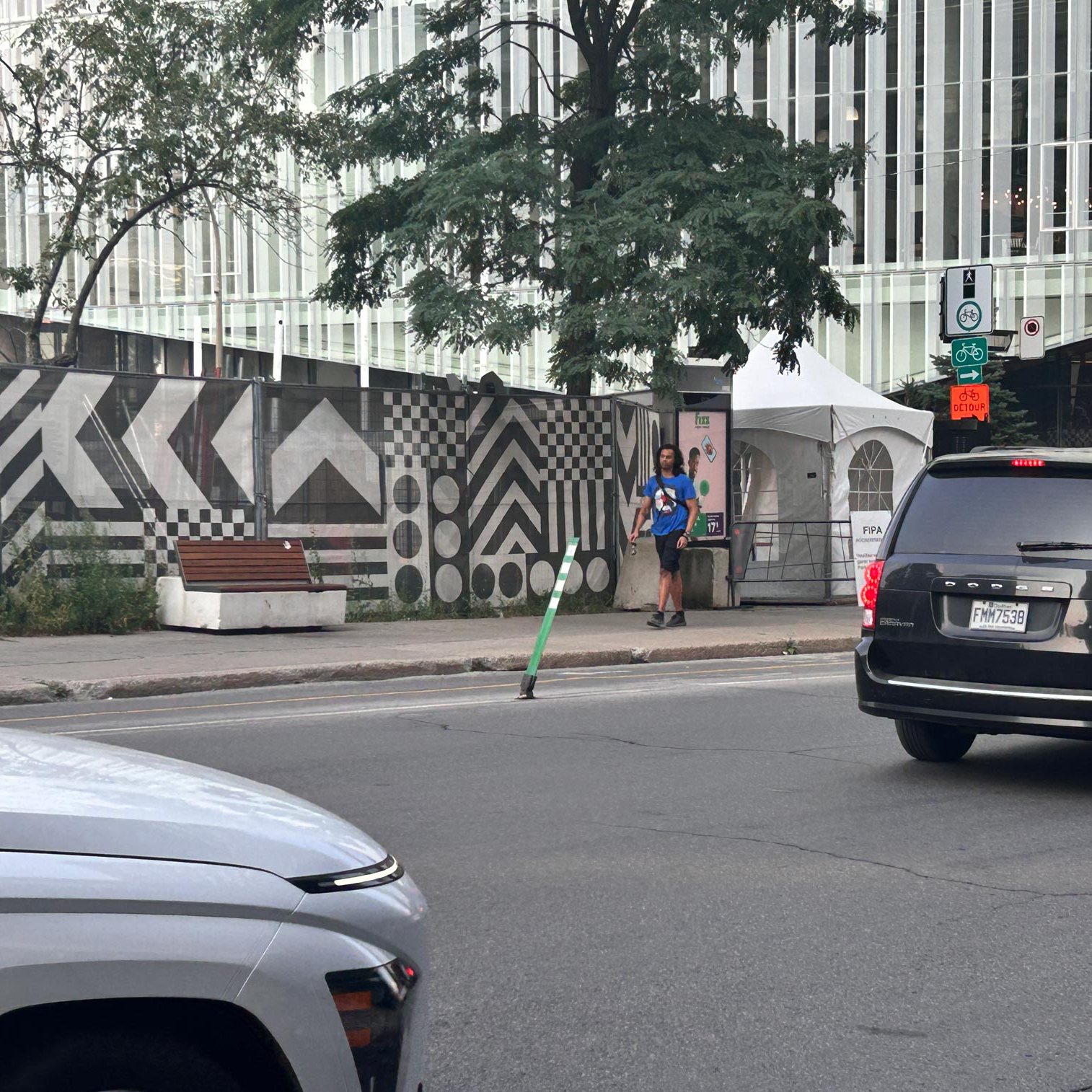
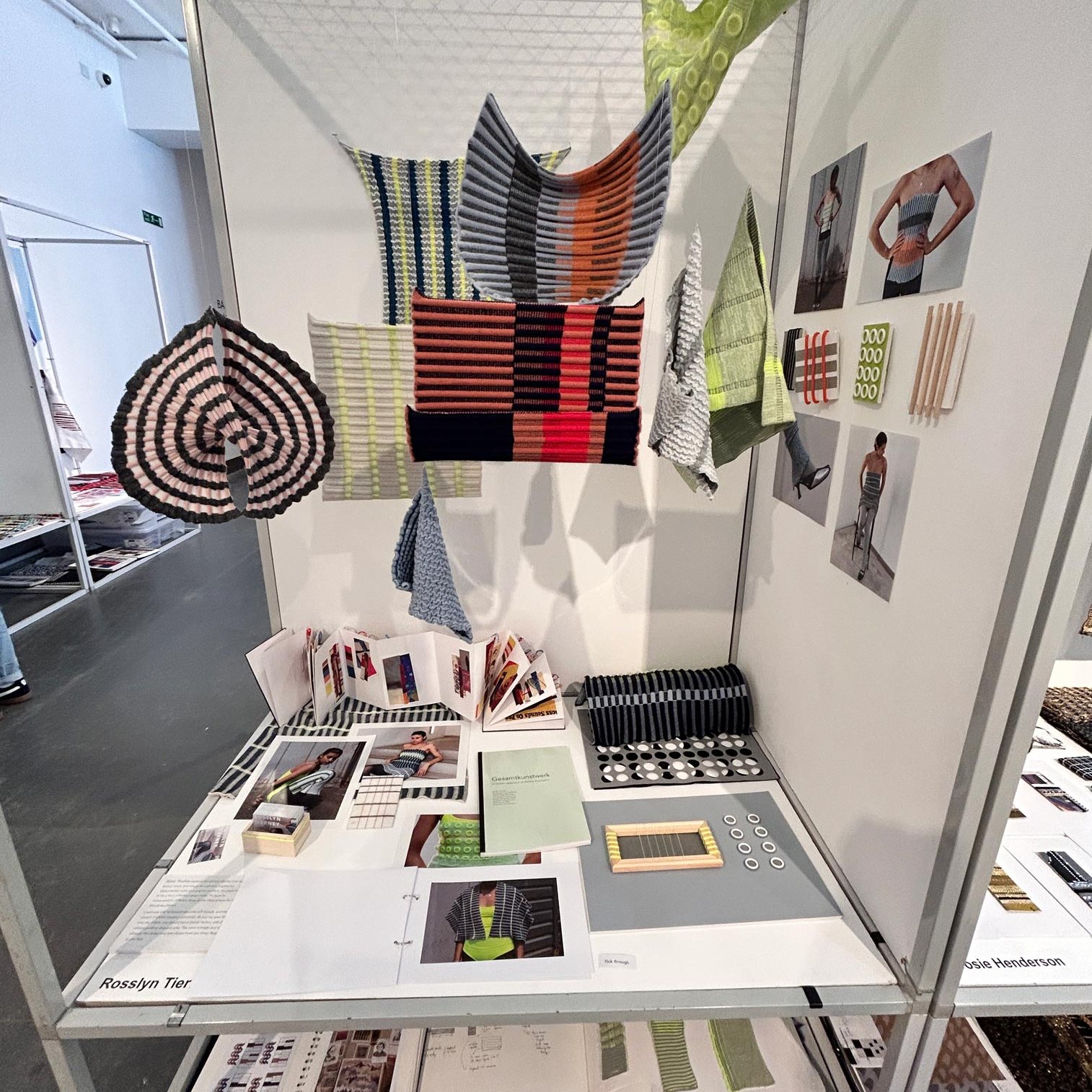
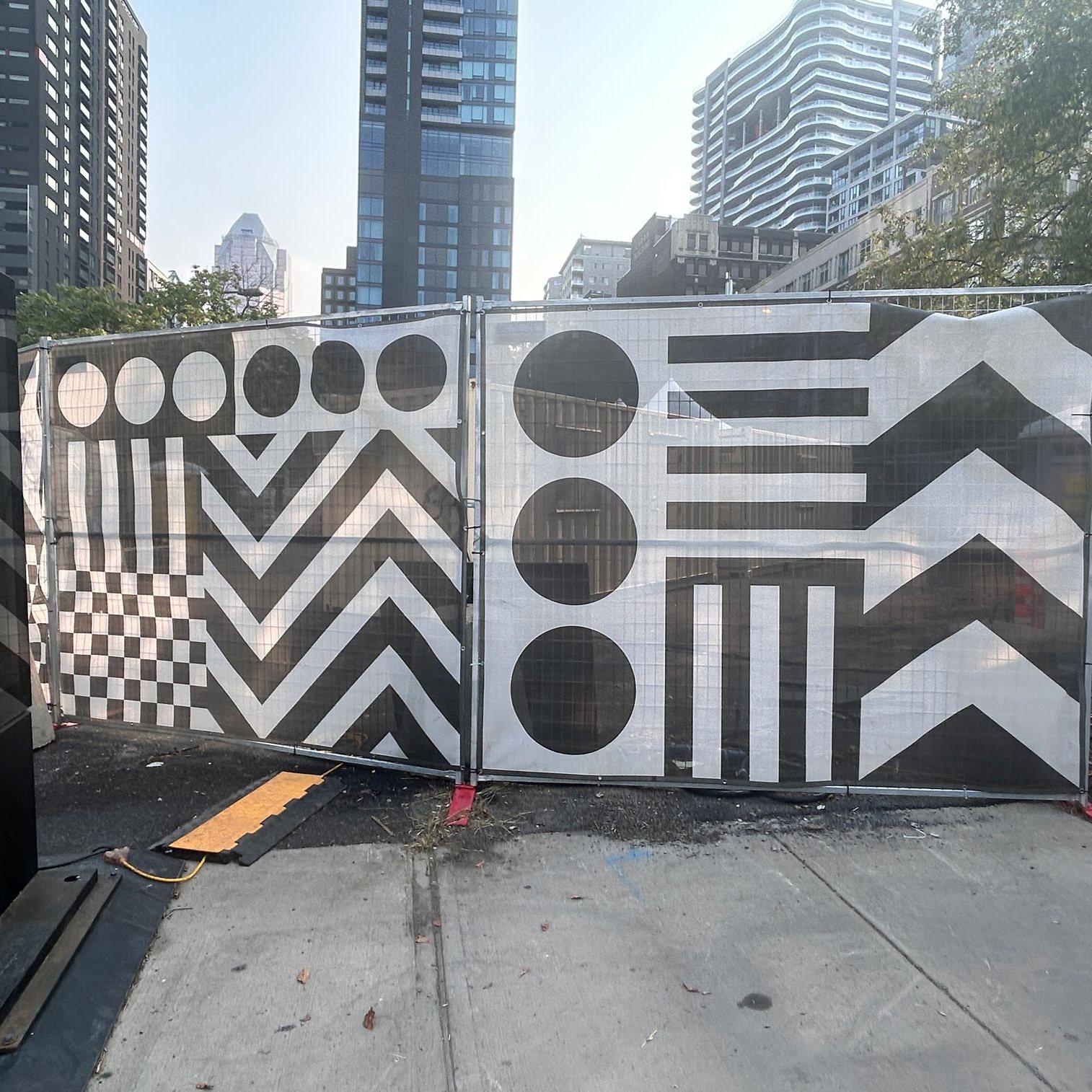
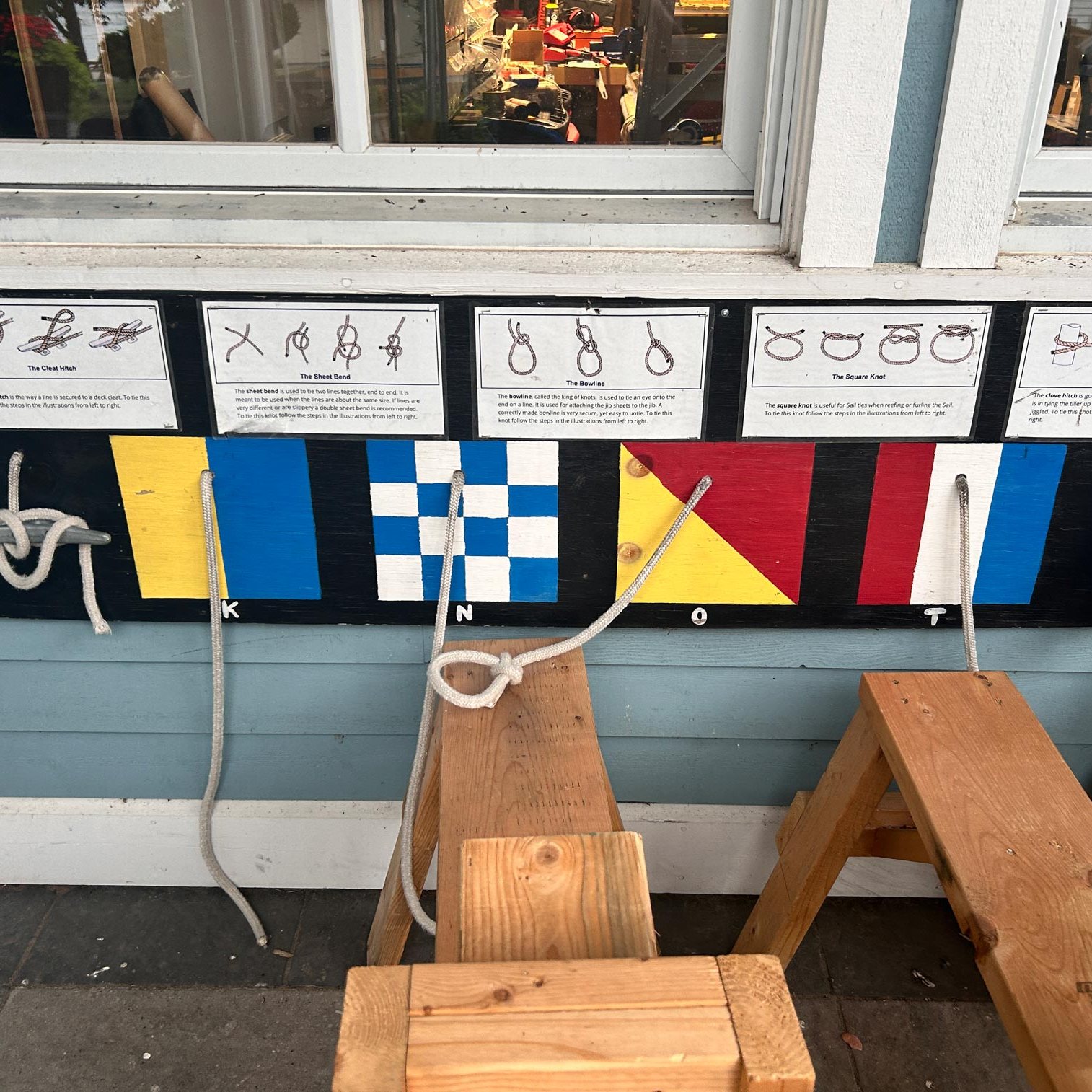
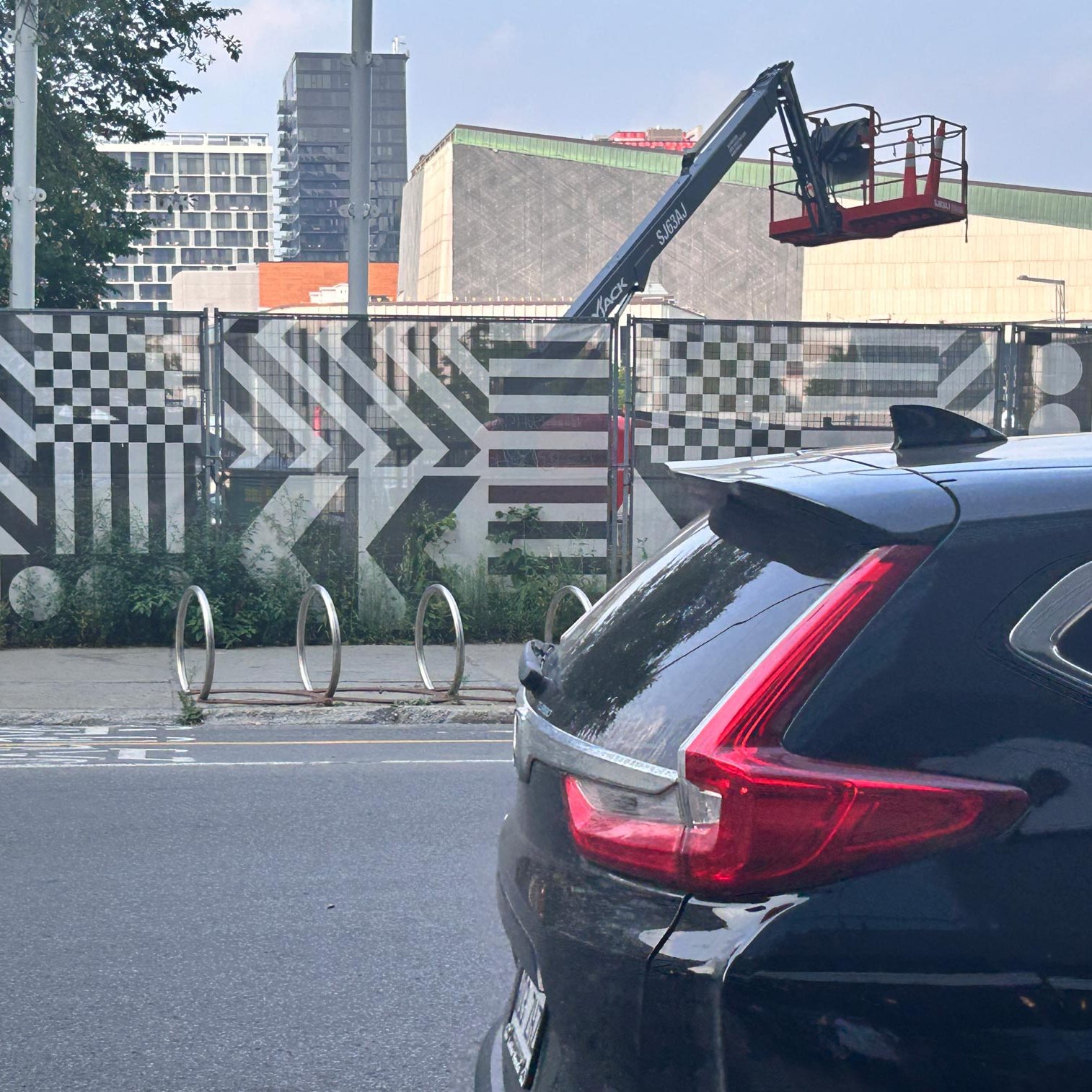
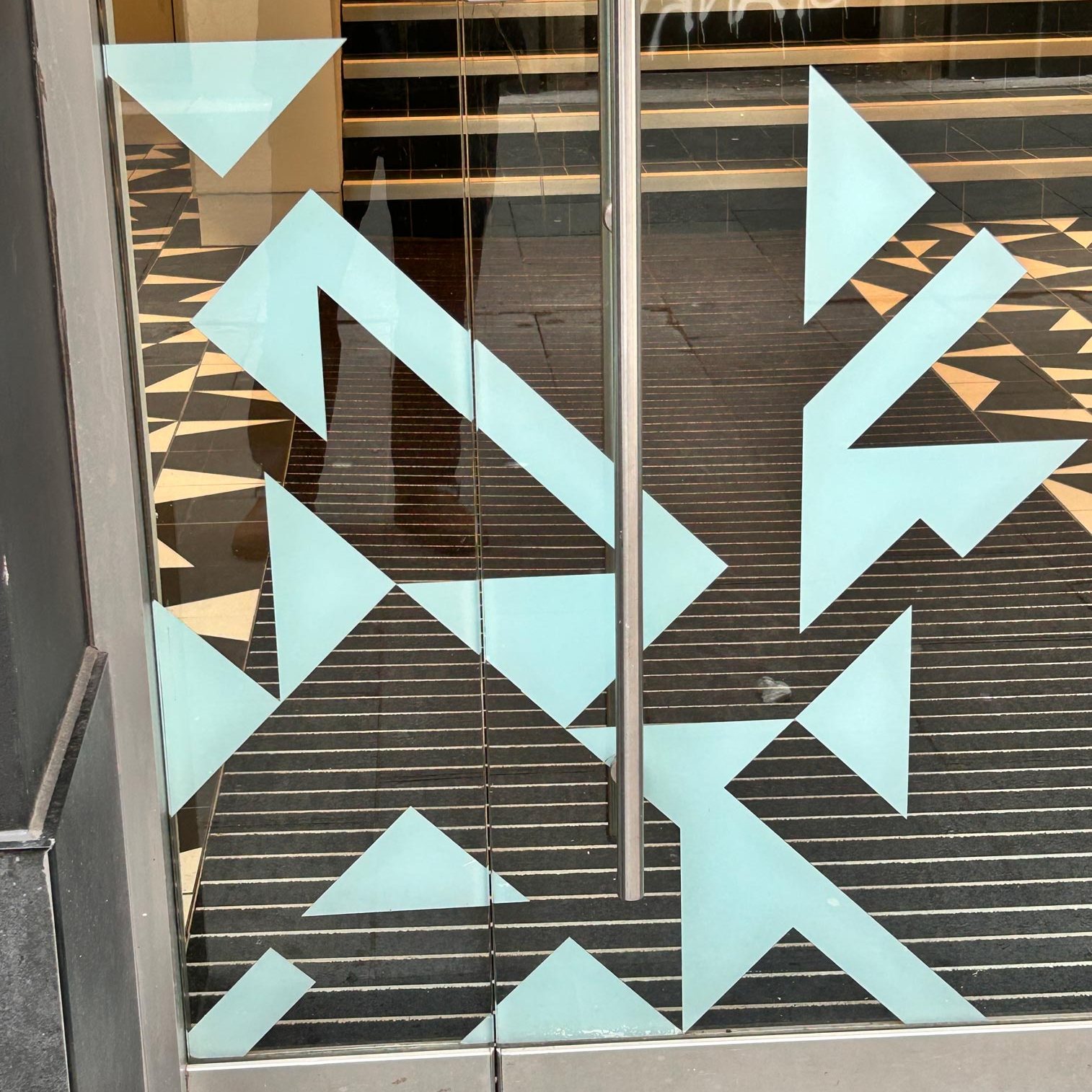
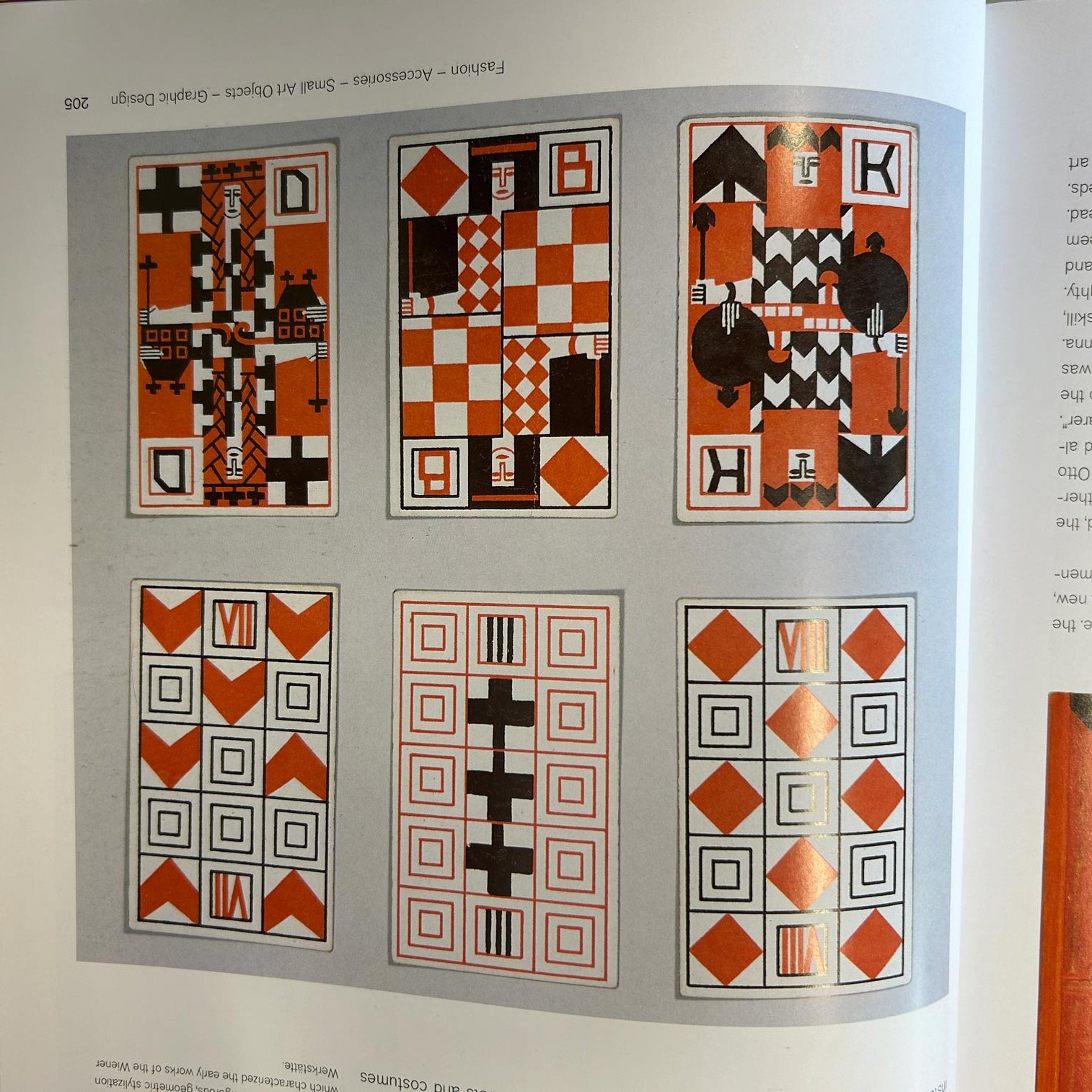
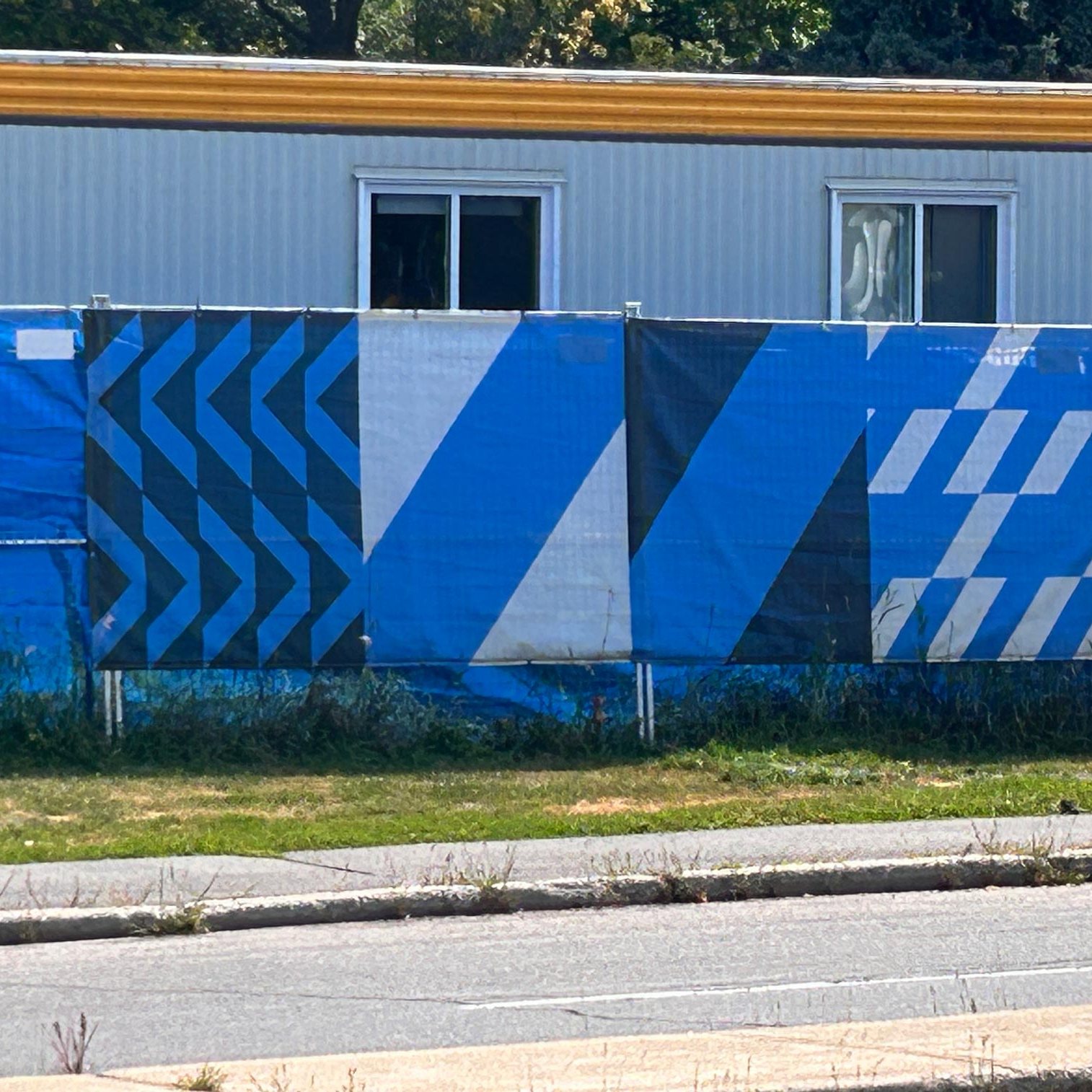
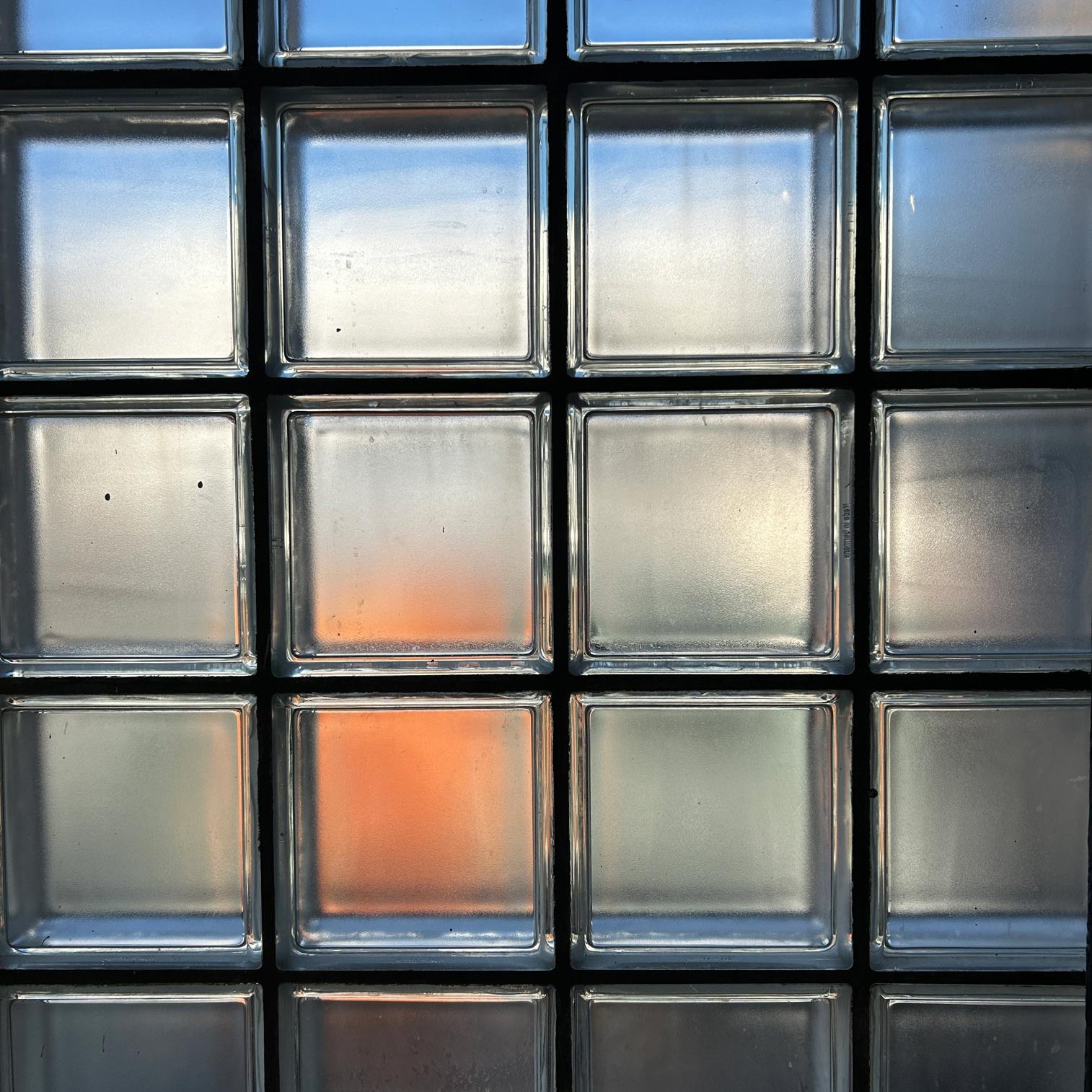
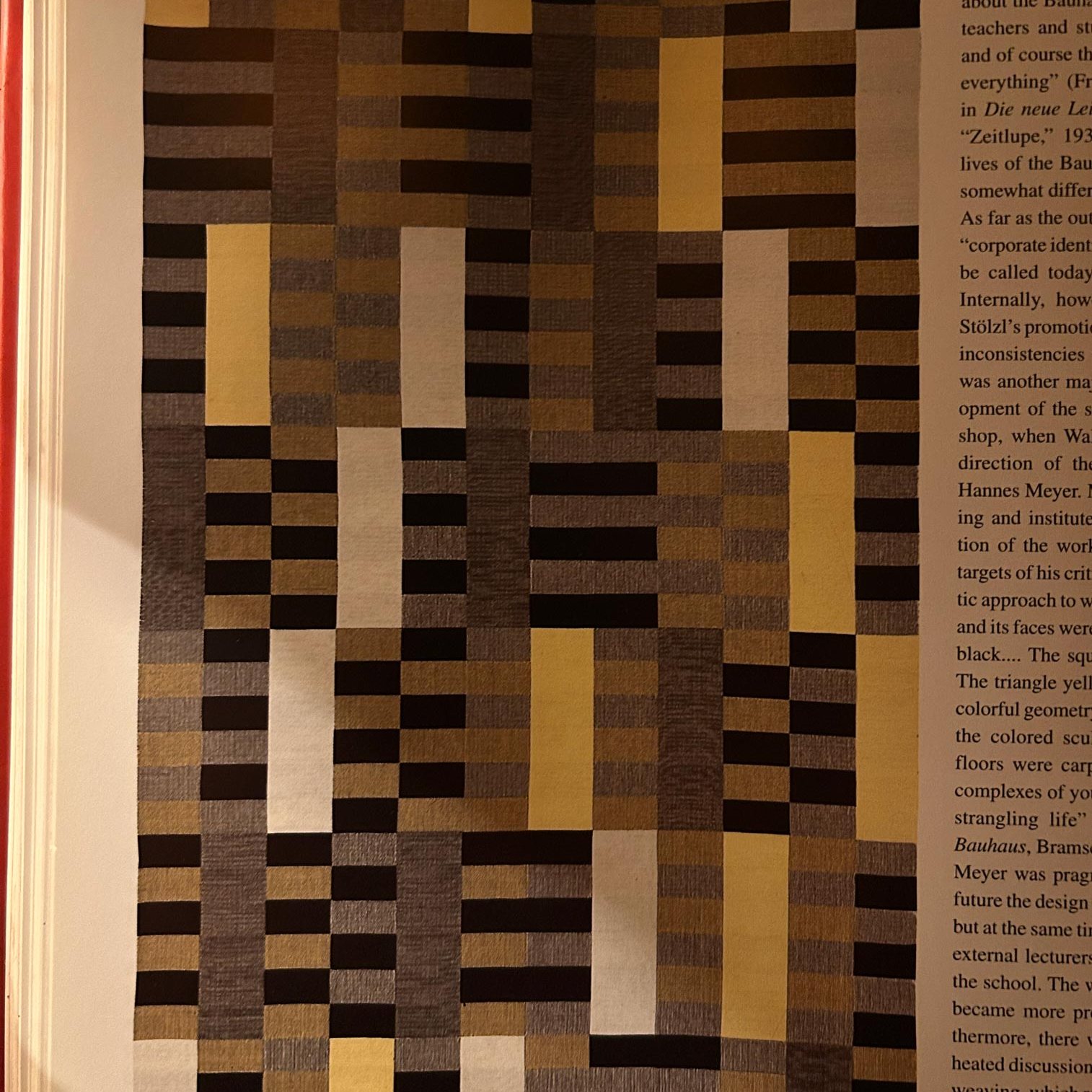
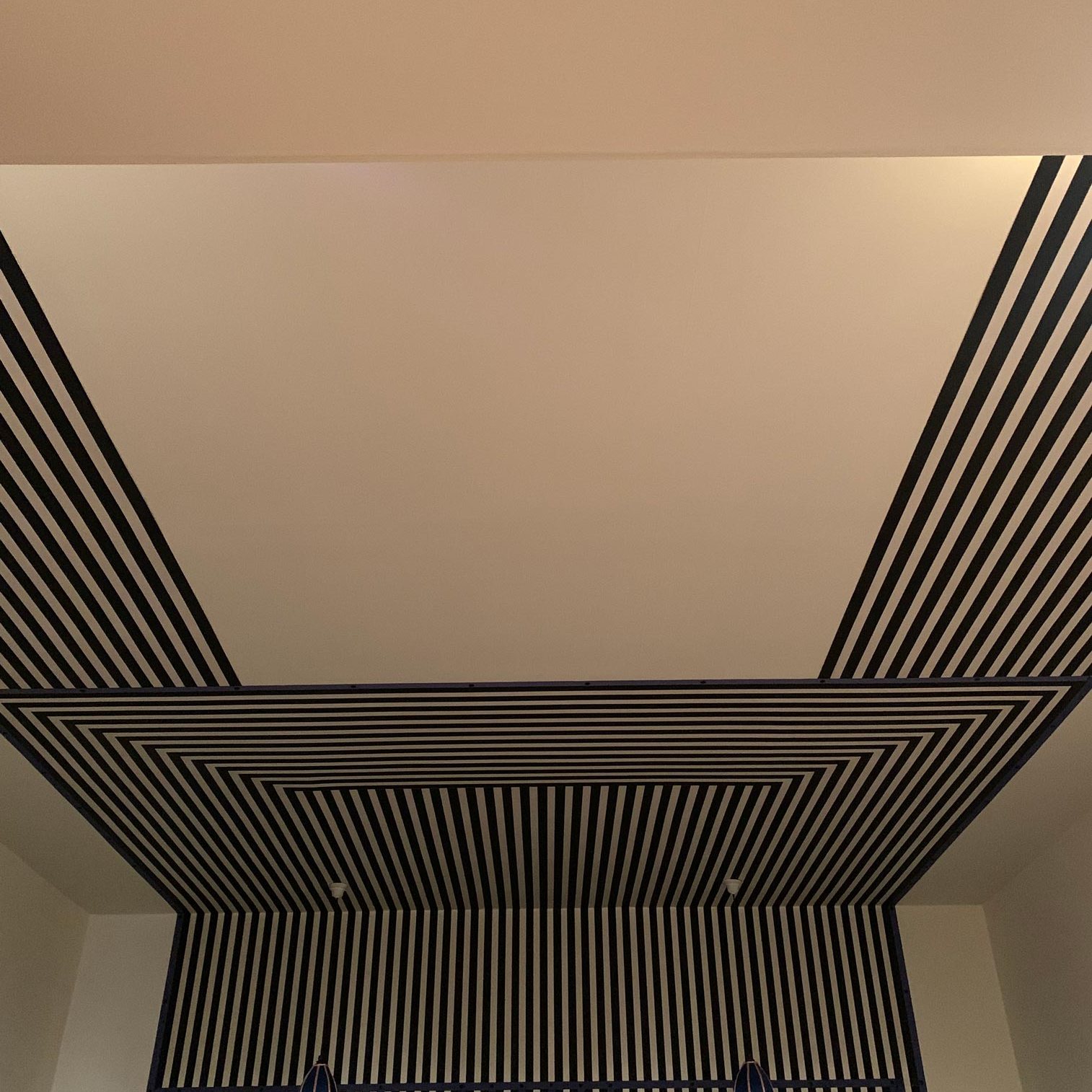
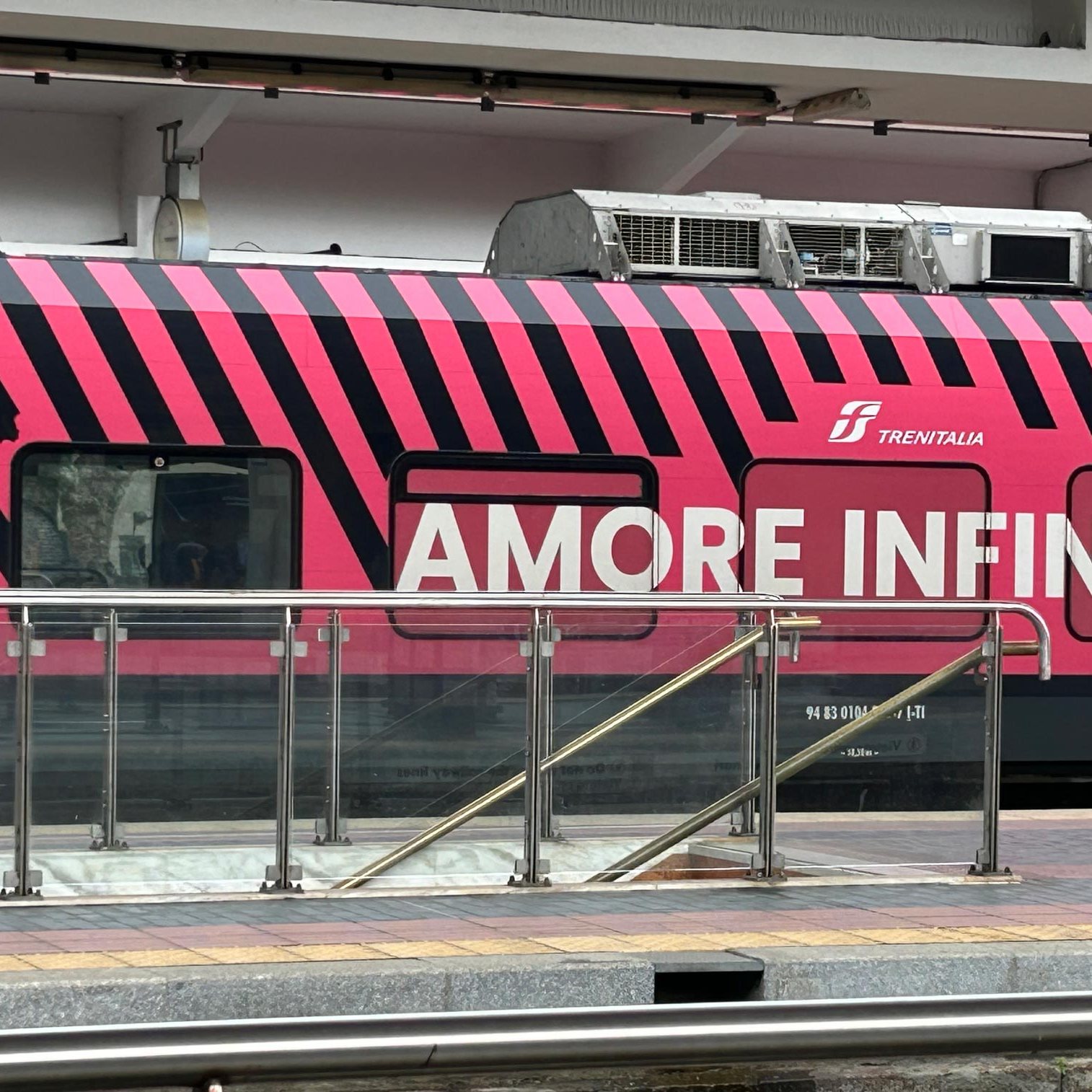
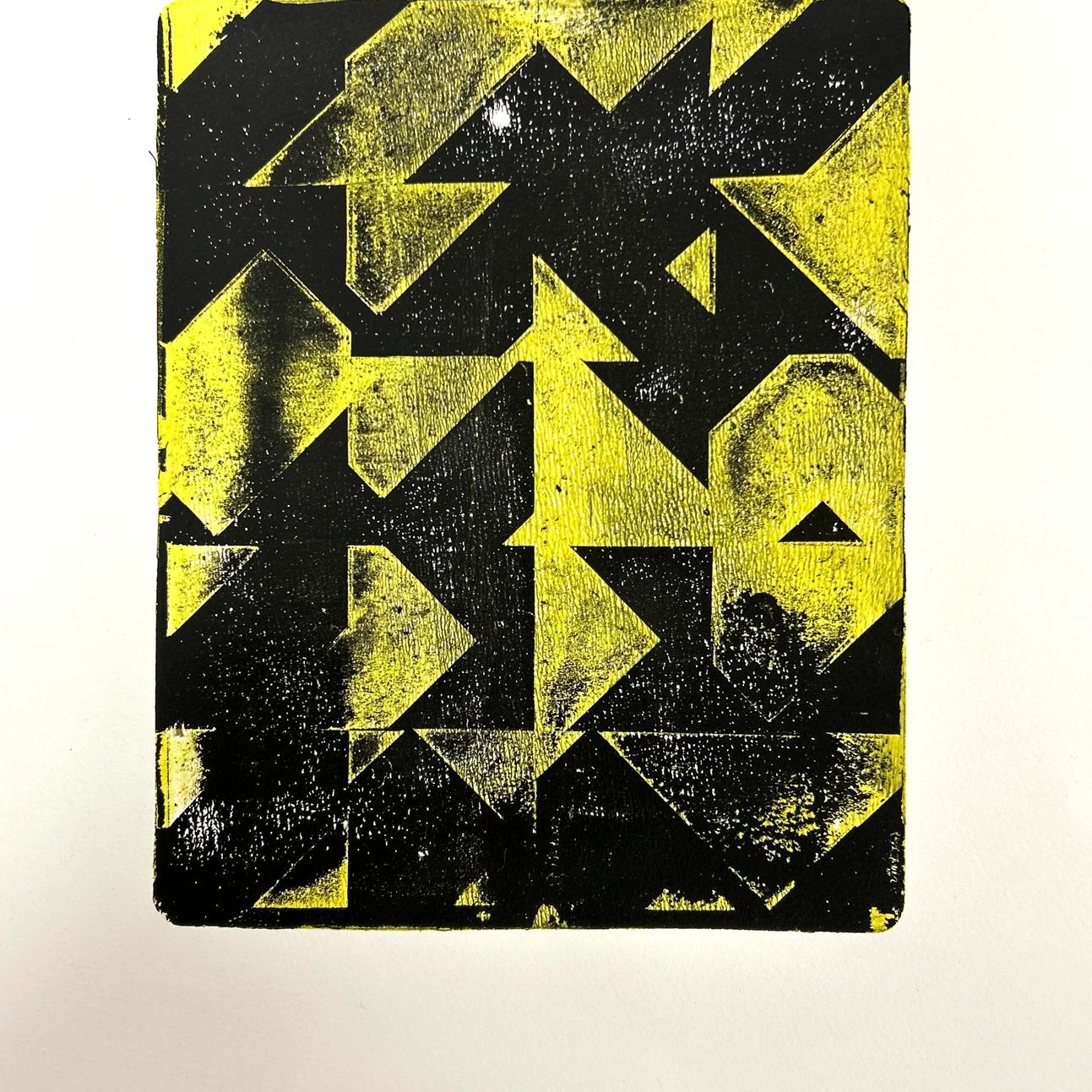
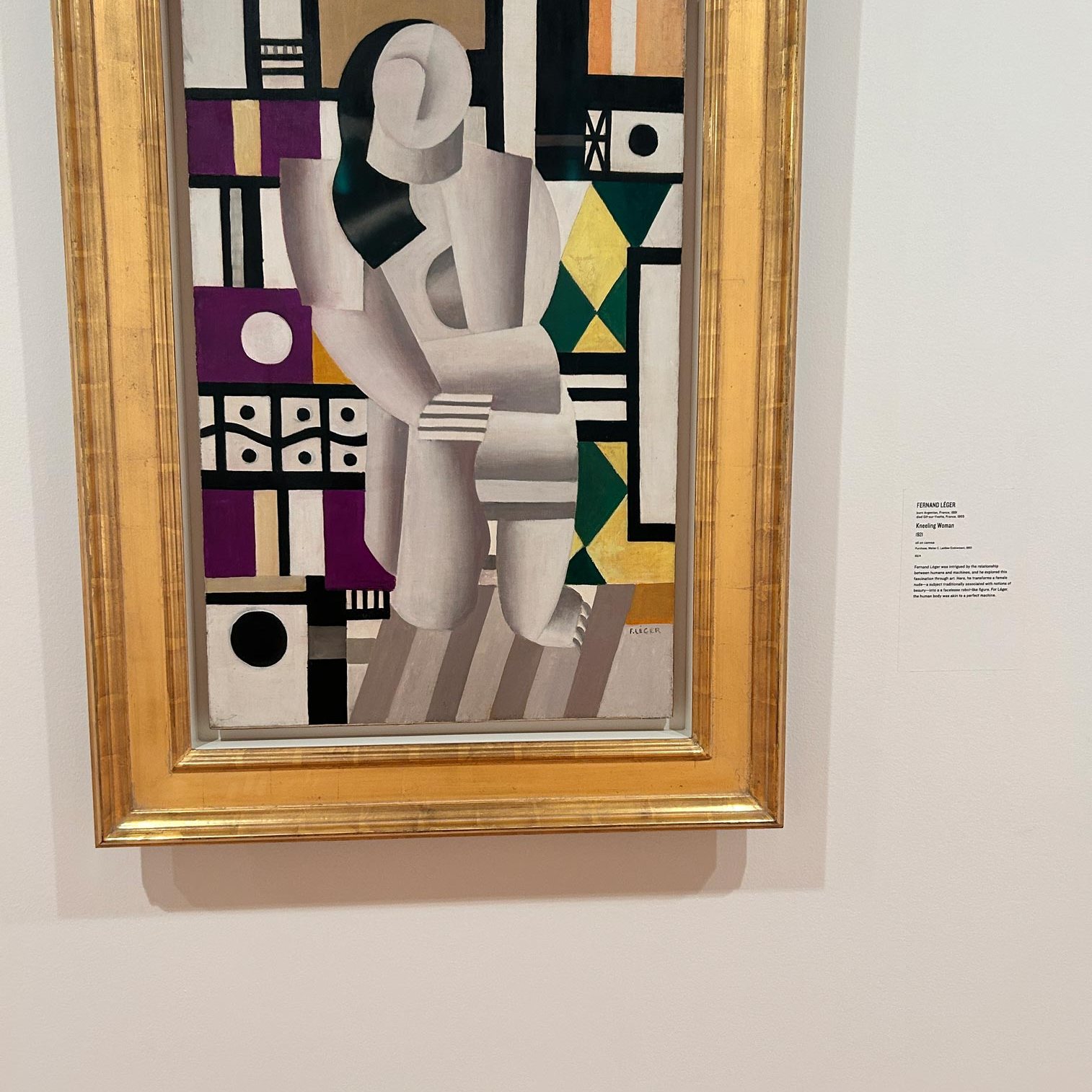
Amid this abundance, recurring threads and patterns provide a degree of orientation, fixing our attention on a relatively steady horizon in an increasingly turbulent sea of distraction. For me, repetition, systems, geometry and contrast repeatedly draw my attention back to the central task: attempting to impose some form of order on chaos.
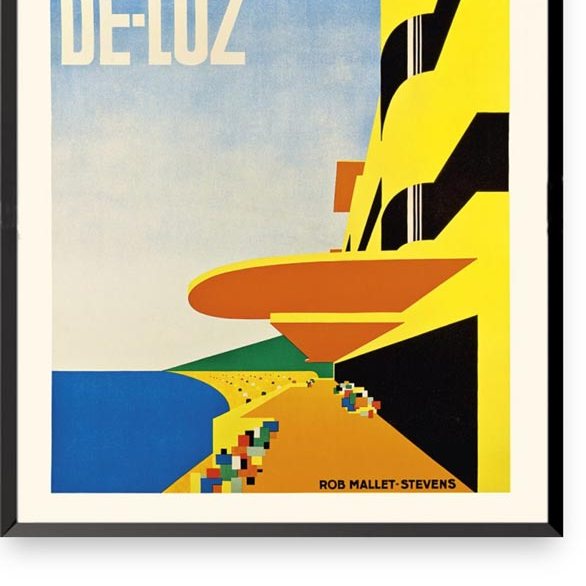
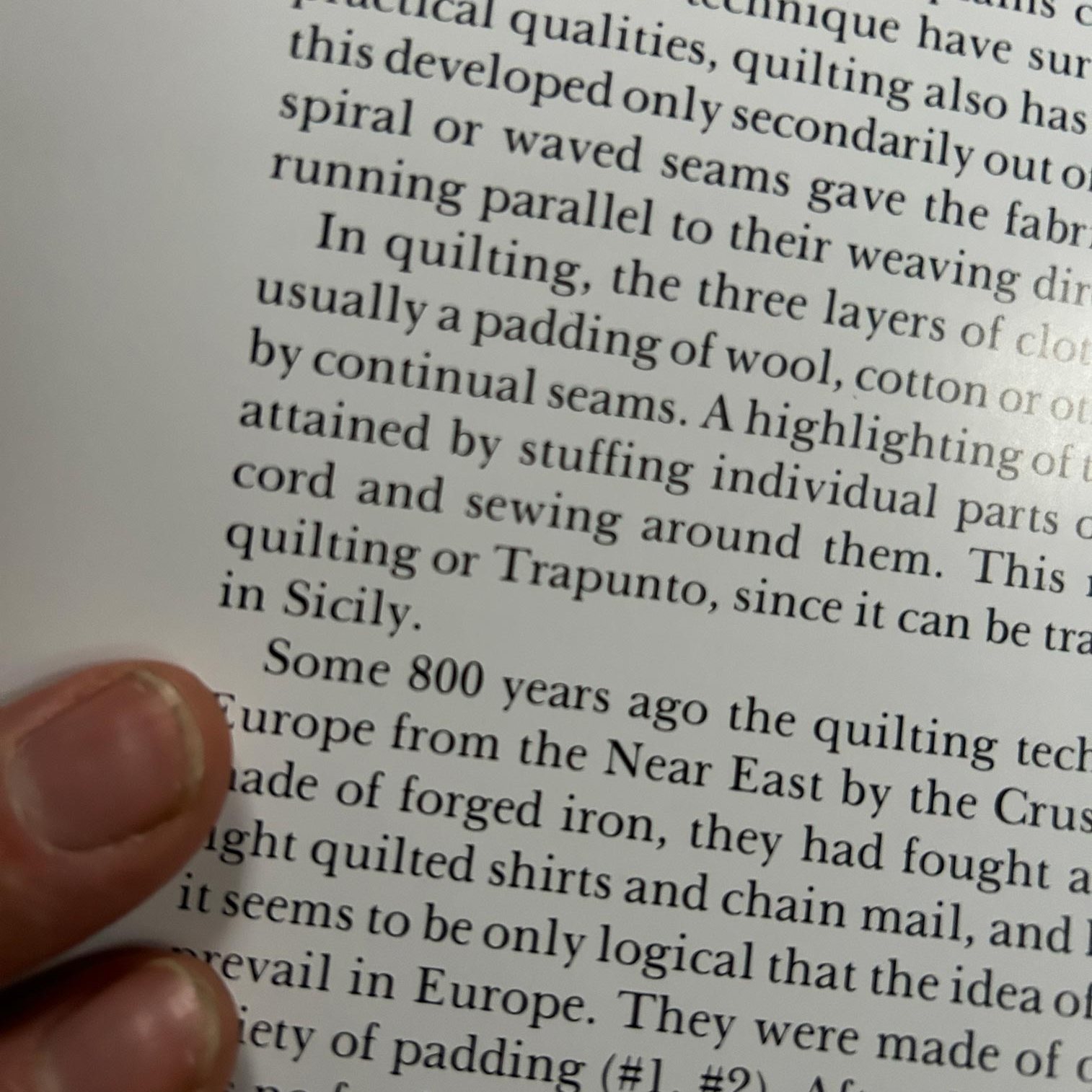
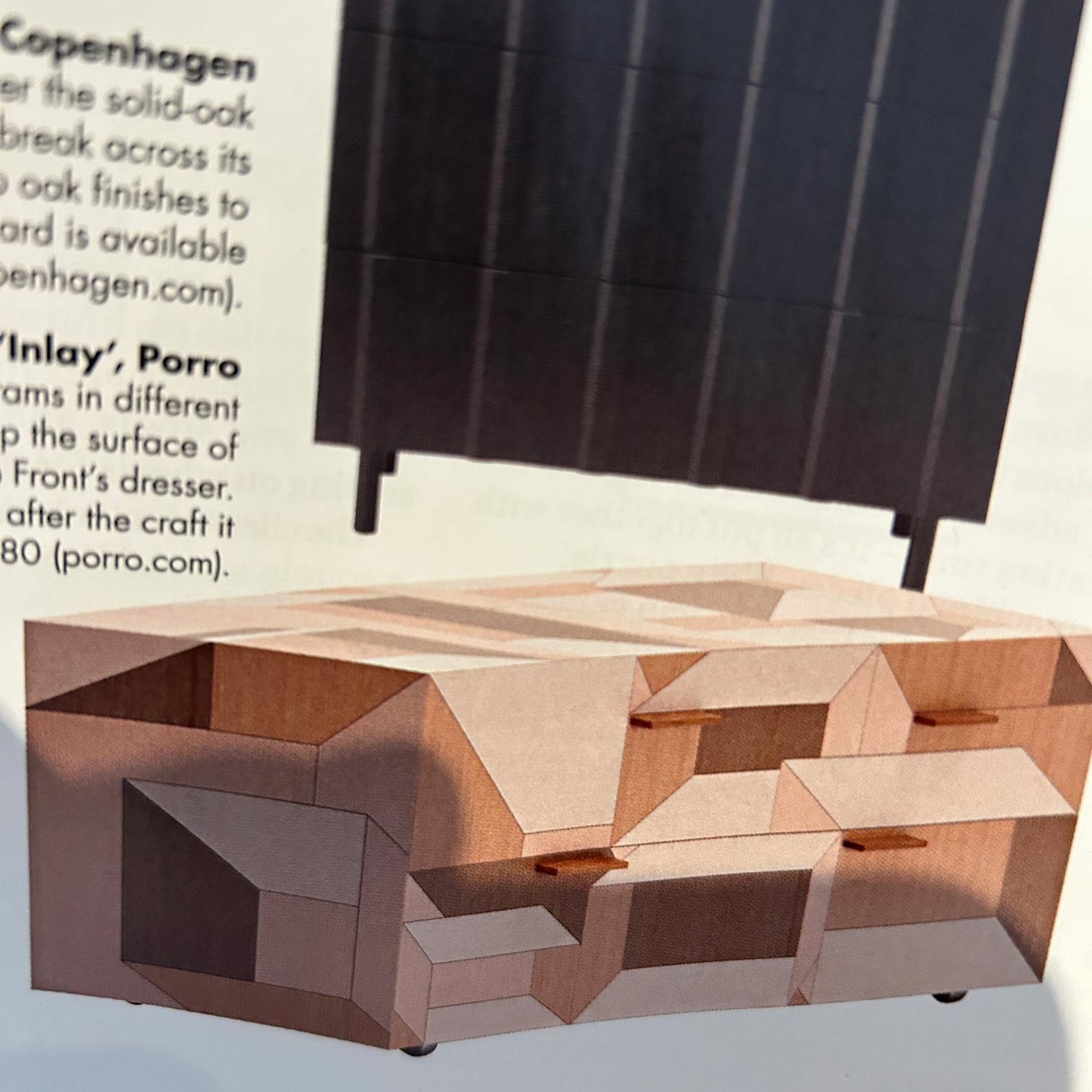
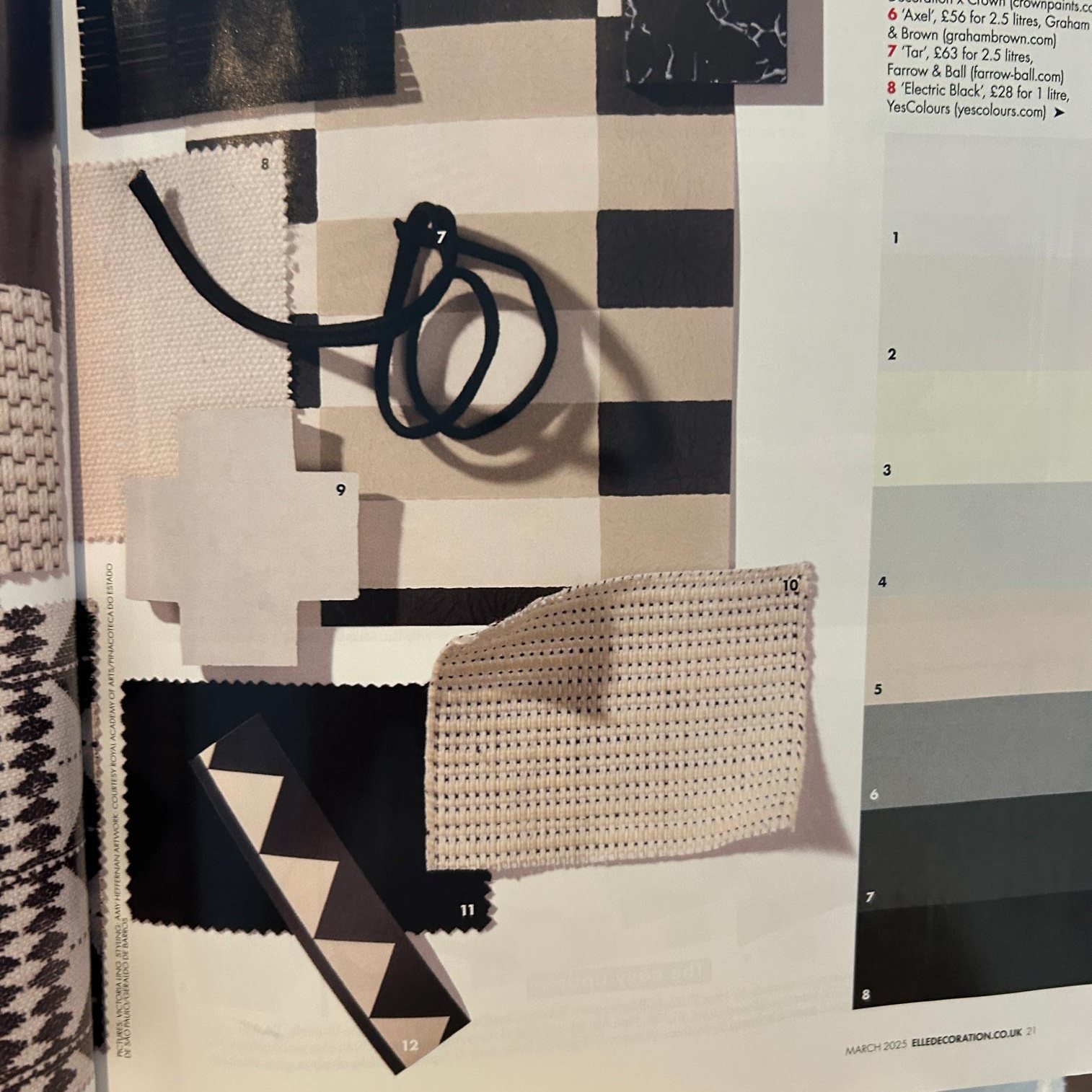
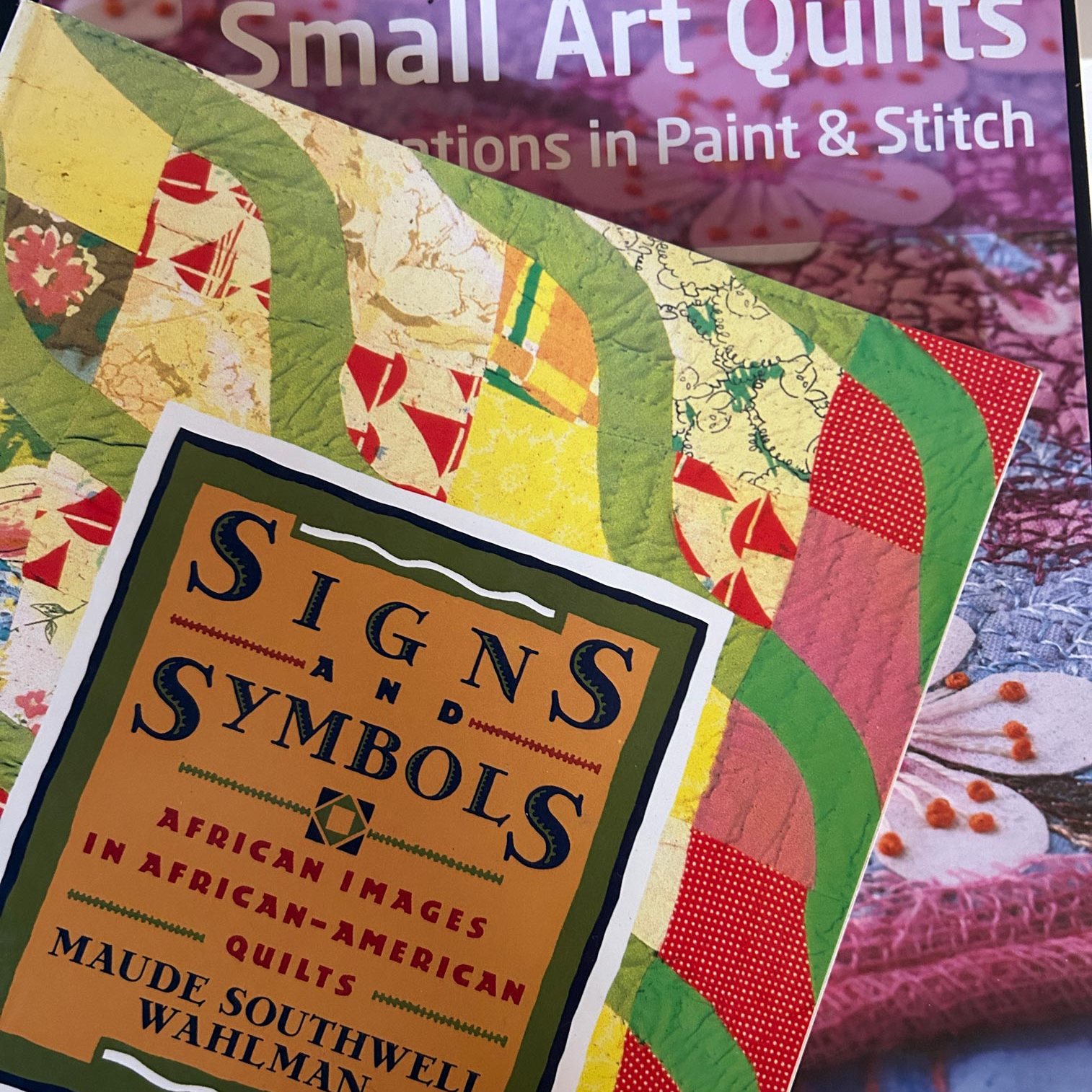
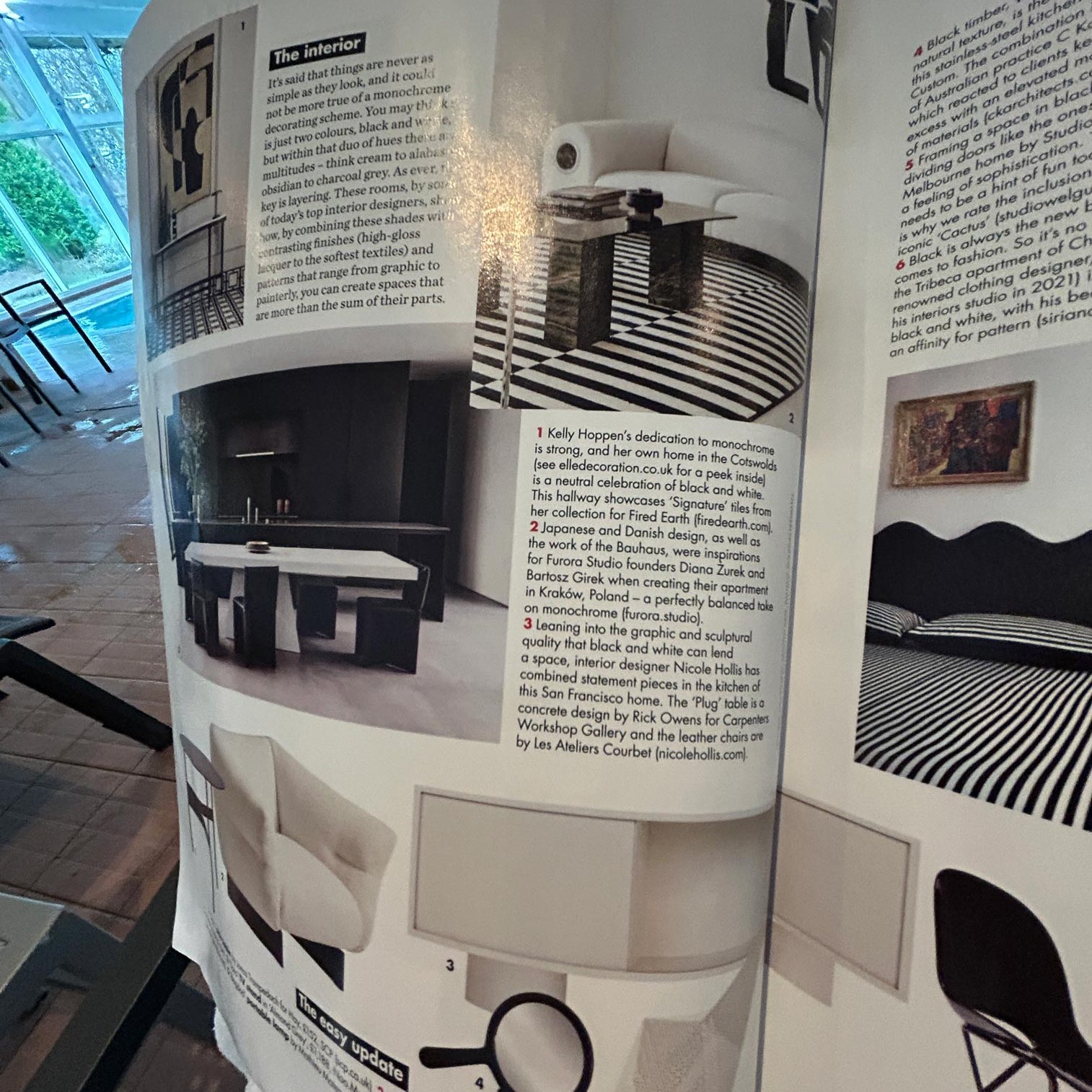
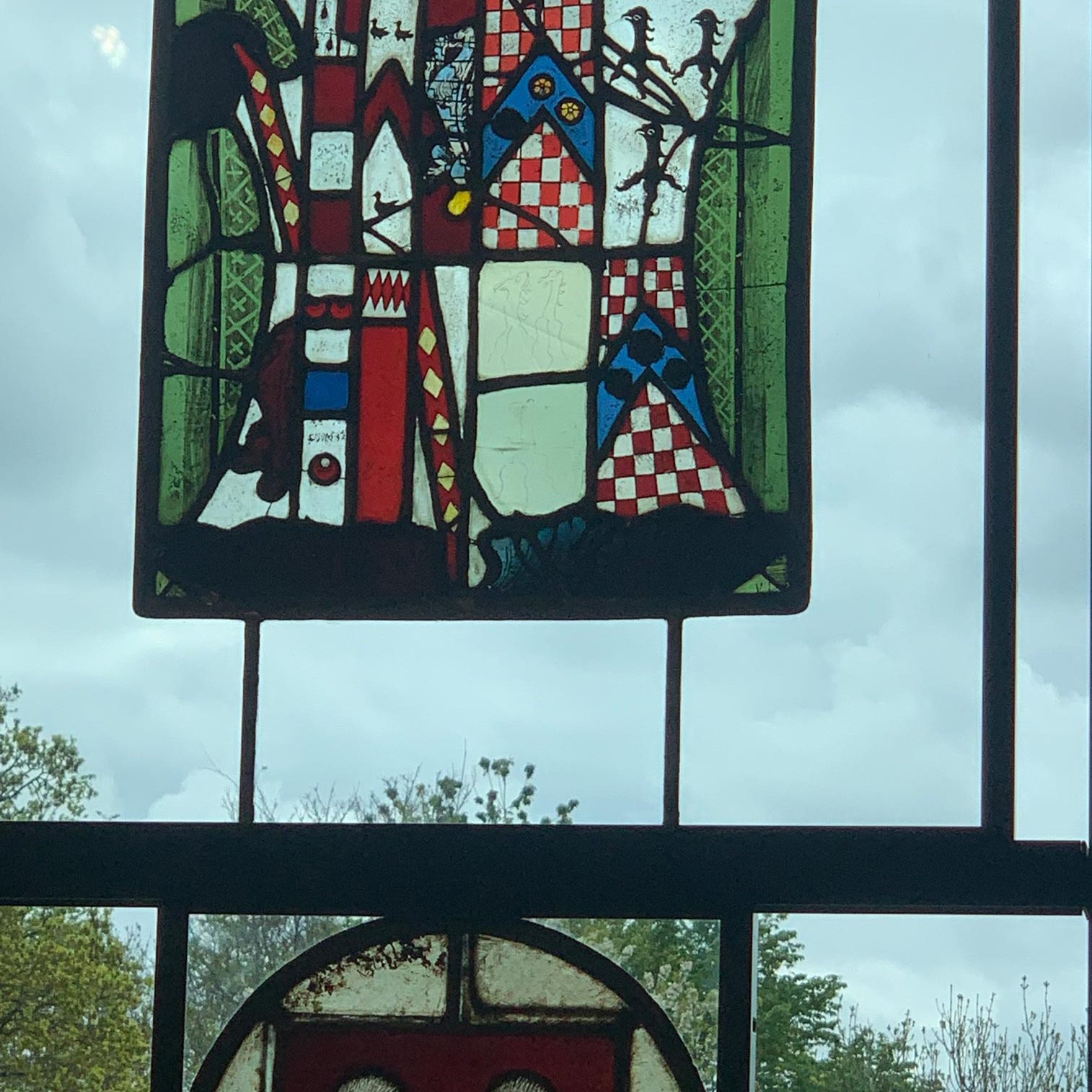
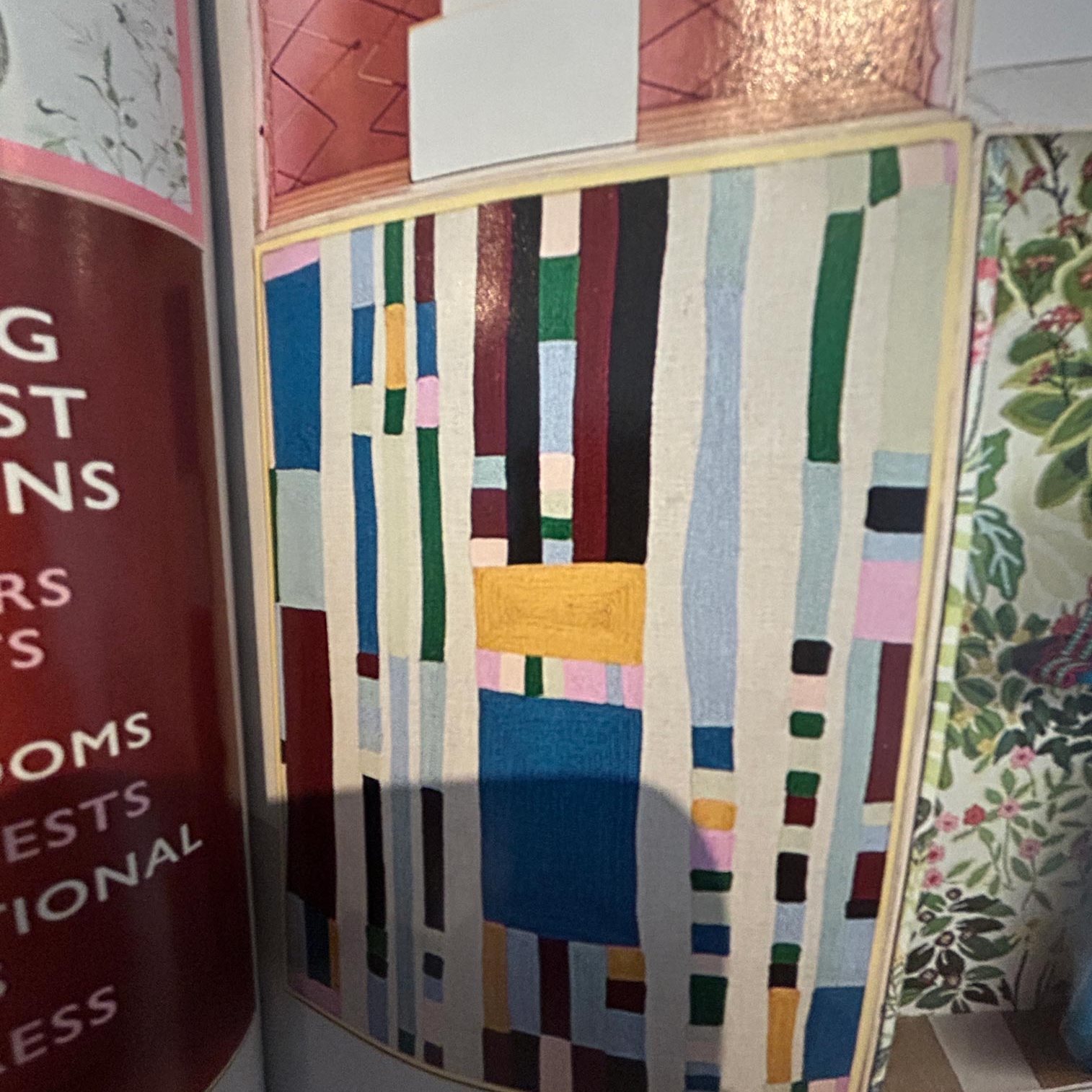
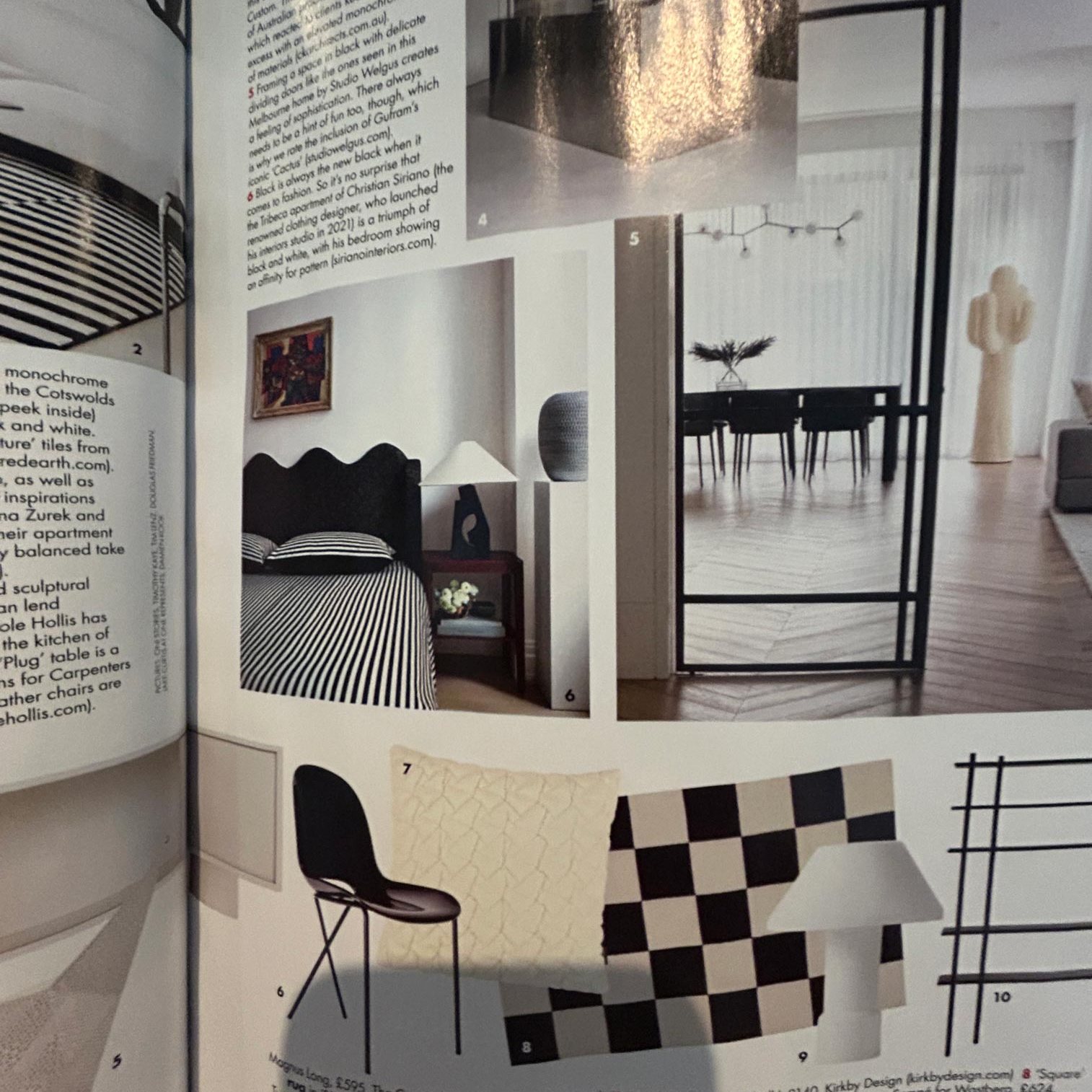
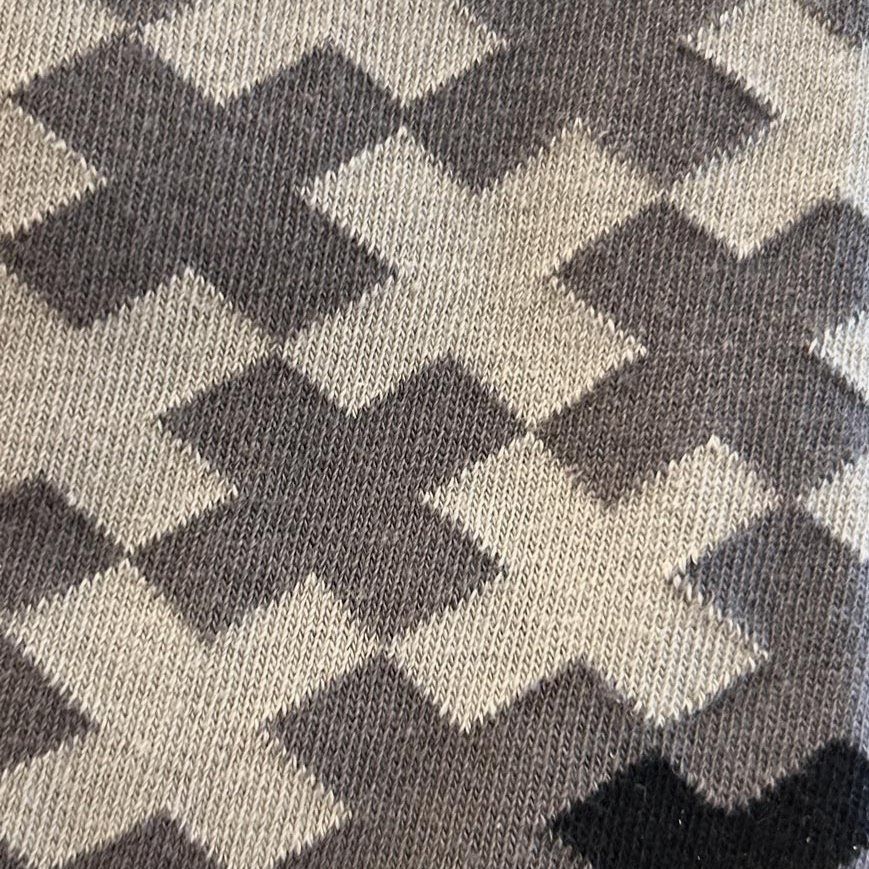
I’ve written elsewhere about the theoretical frameworks that underpin this practice. What follows is a very small selection of the books, images, artists and ideas that have occupied my attention over the past few years, and which continue to shape the movement from eye to hand.