Language, dialect and accent are among the primary ways that identity is produced, recognised and discussed. The relationship between vernacular language (dialect, accent) and institutional language often reveals struggles and resistance to state institutions and mass media. As Benedict Anderson argues, ‘What made the new communities imaginable was a half fortuitous, but explosive, interaction between a system of production and productive relations (capitalism), a technology of communications (print), and the fatality of human linguistic diversity’ (Anderson, 2006, p. 43). Language therefore is one of the primary means through which communities imagine themselves into being.
This tension is also evident in histories of colonialism. The control of language became one of the principal mechanisms through which colonial power was established and maintained. To control language was also to control education, administration, historical and cultural memory. To strip a community of its language, is to strip a people of their identity. This can result in social divisions that systems of domination and racism frequently depended.
Discourses are social and culturally produced systems that organise knowledge, construct meaning and shape truth. Once discourse is understood as dependent upon language for its production and circulation, the relationship between language and power becomes unavoidable. As Michel Foucault observed, discourses aren’t subservient to power (Foucault, 1978). Instead, discourse circulates through institutions, cultural practices and everyday encounters. Discourse classifies, homogenises and simplifies experience while establishing the conditions through which those classifications are maintained, surveilled and enacted, often by the very subjects they seek to regulate. As Stuart Hall argues, ‘identities are constructed within, not outside, discourse’ (Hall, 1996, p. 4). Discourse therefore shapes not only how we understand ourselves but also how we construct and encounter others.
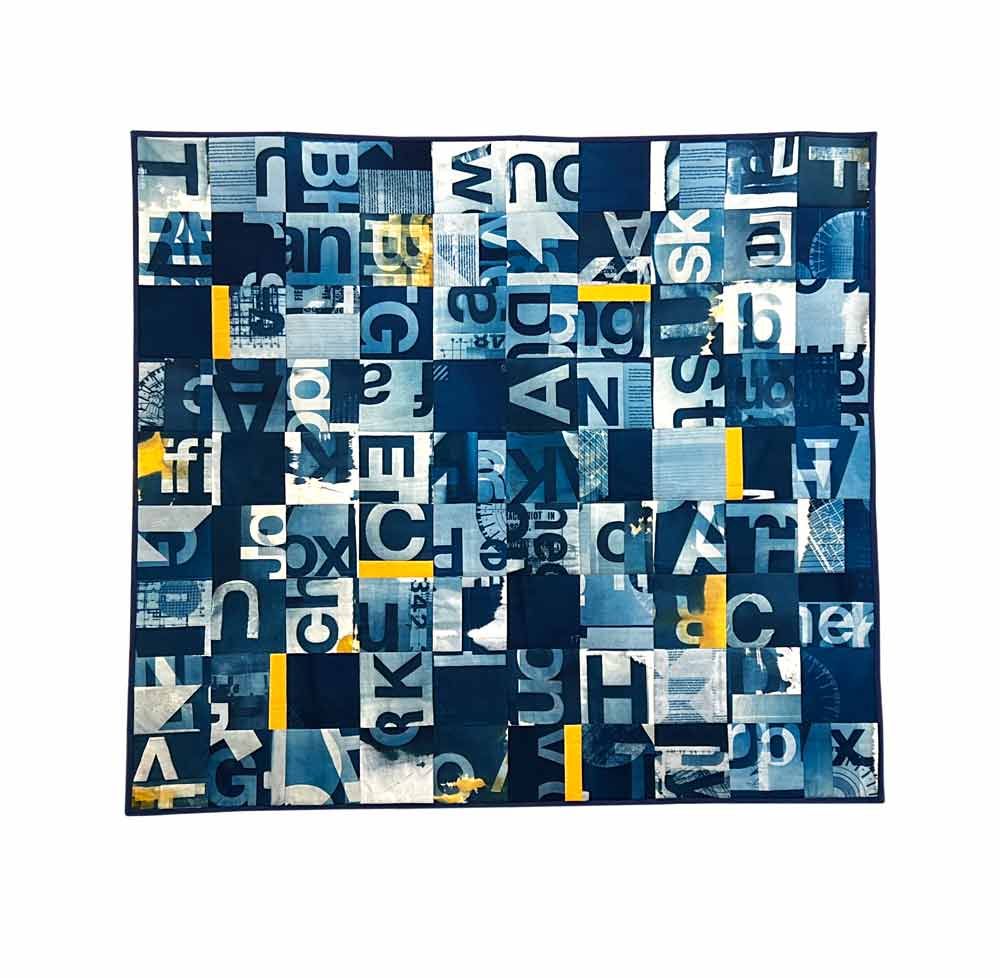
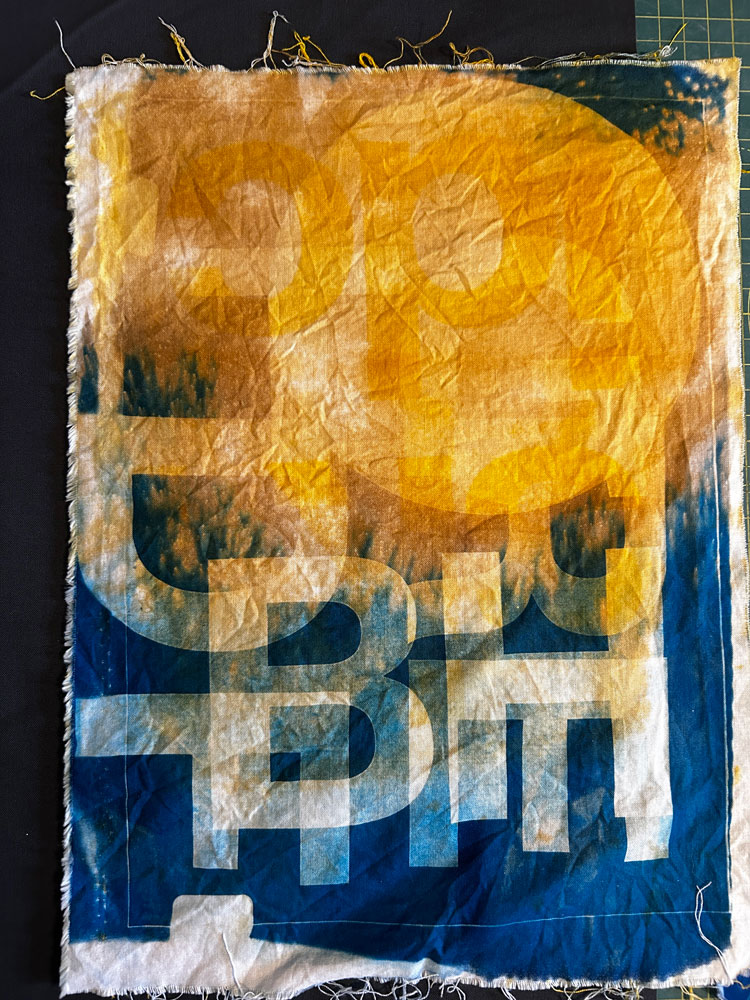
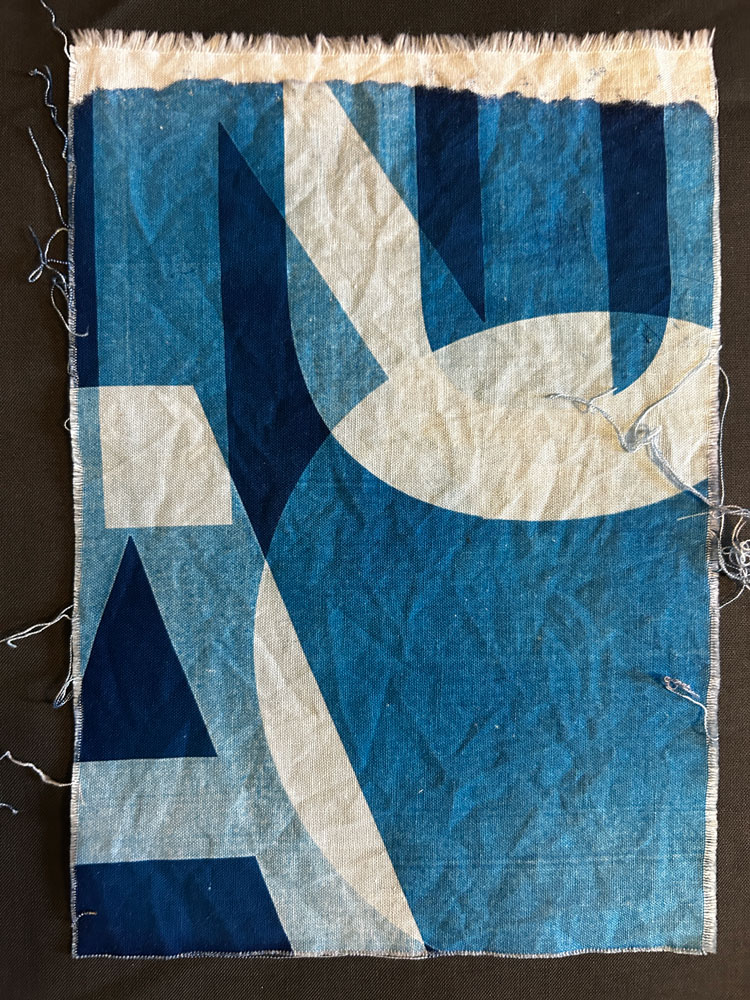
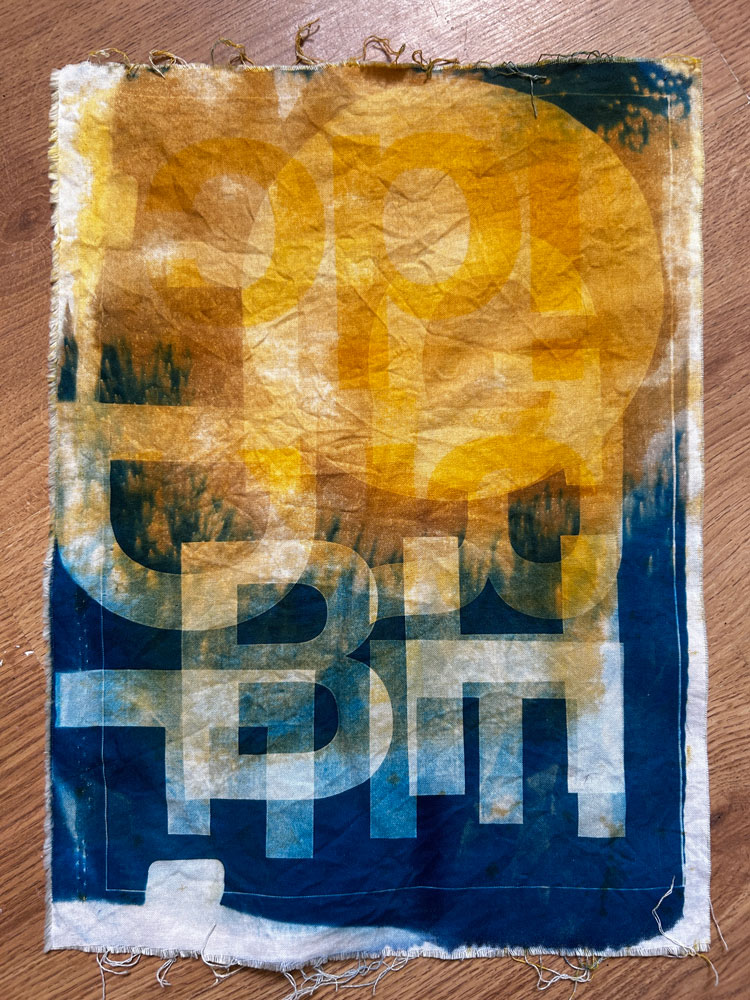
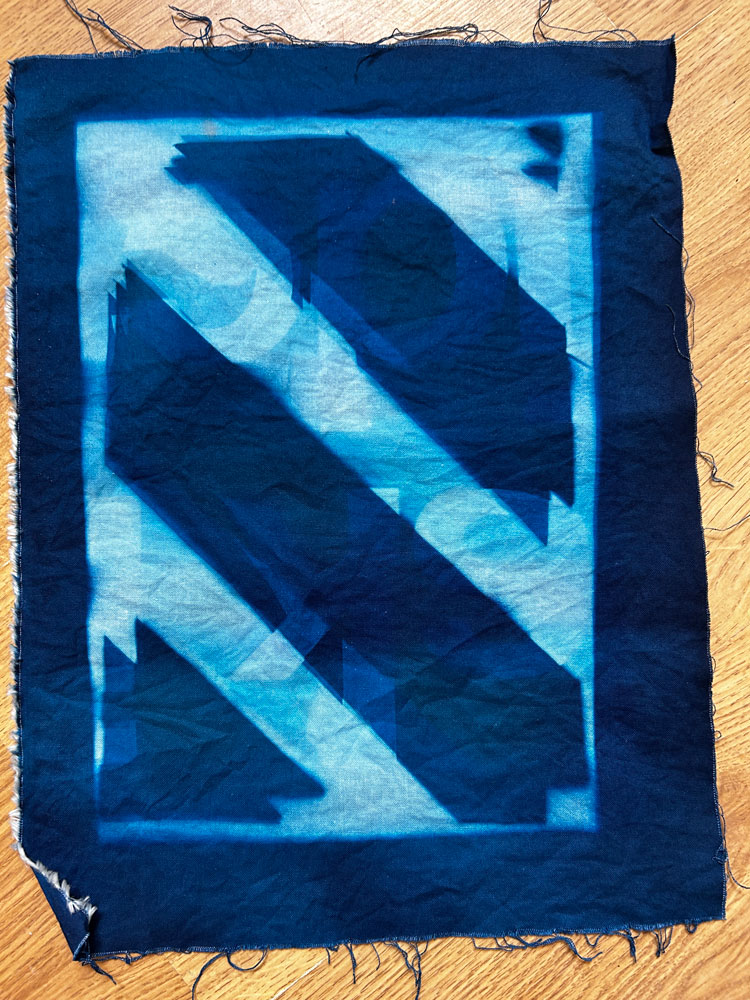
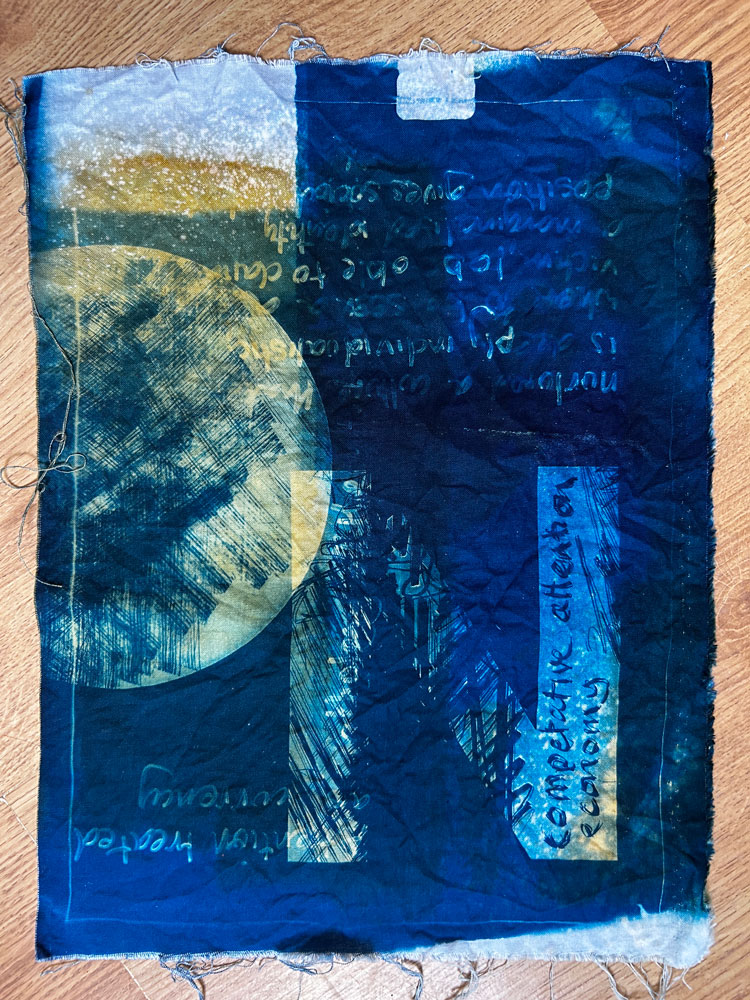
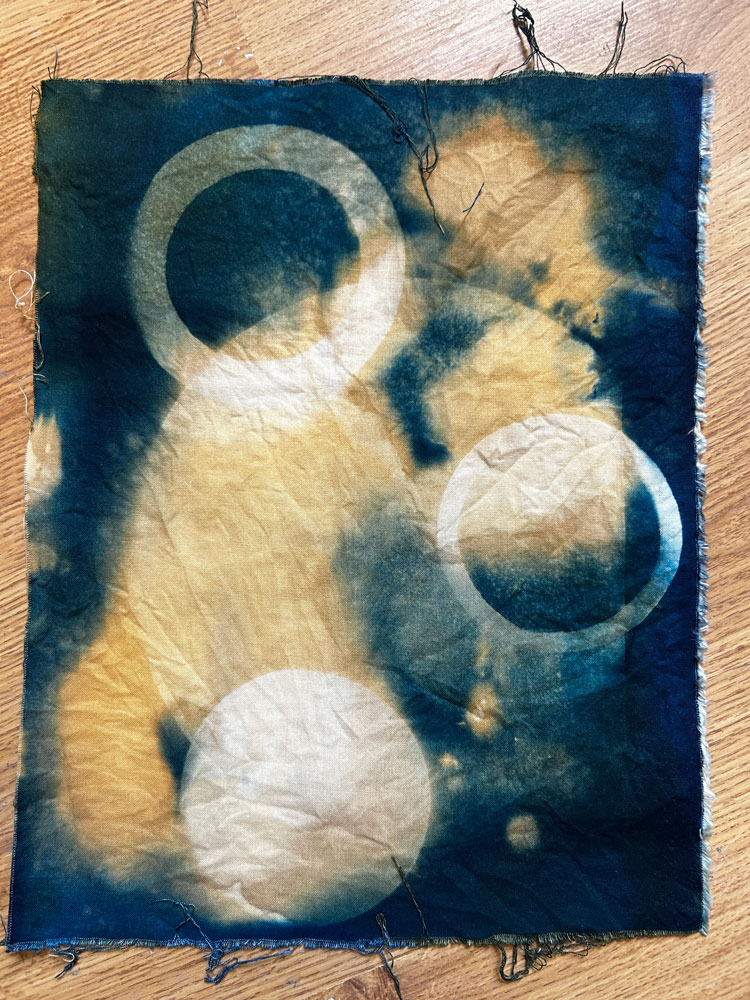
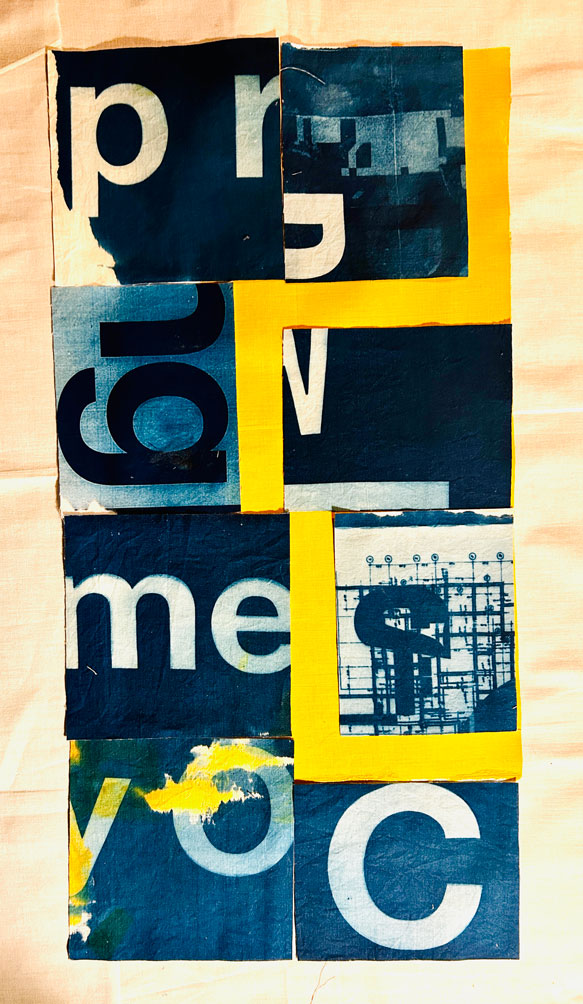
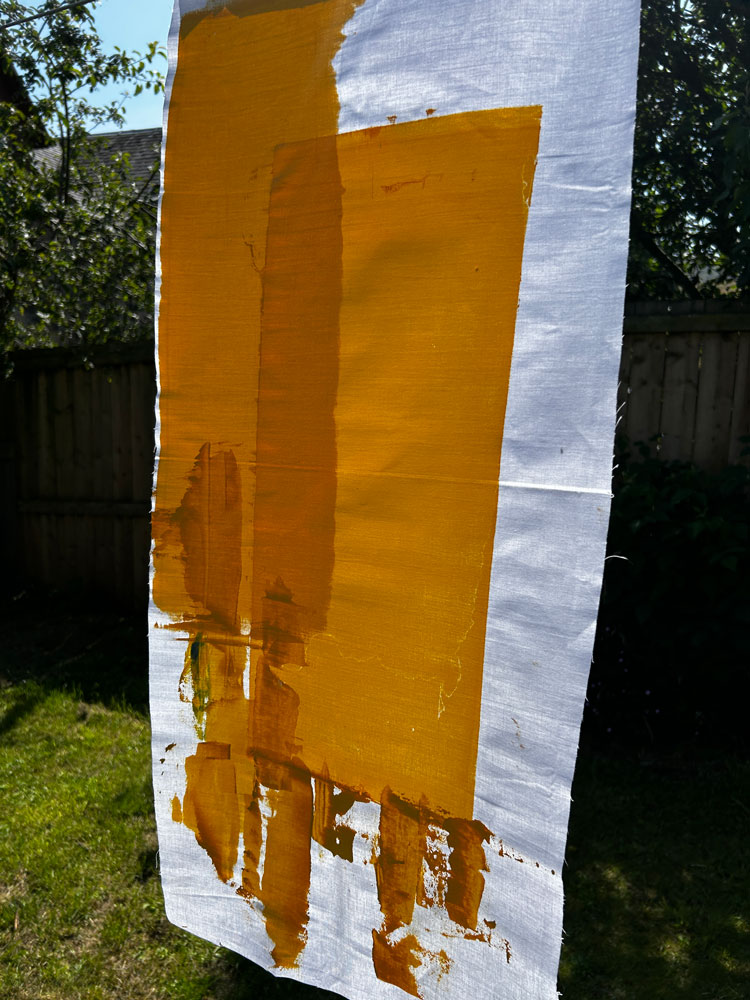
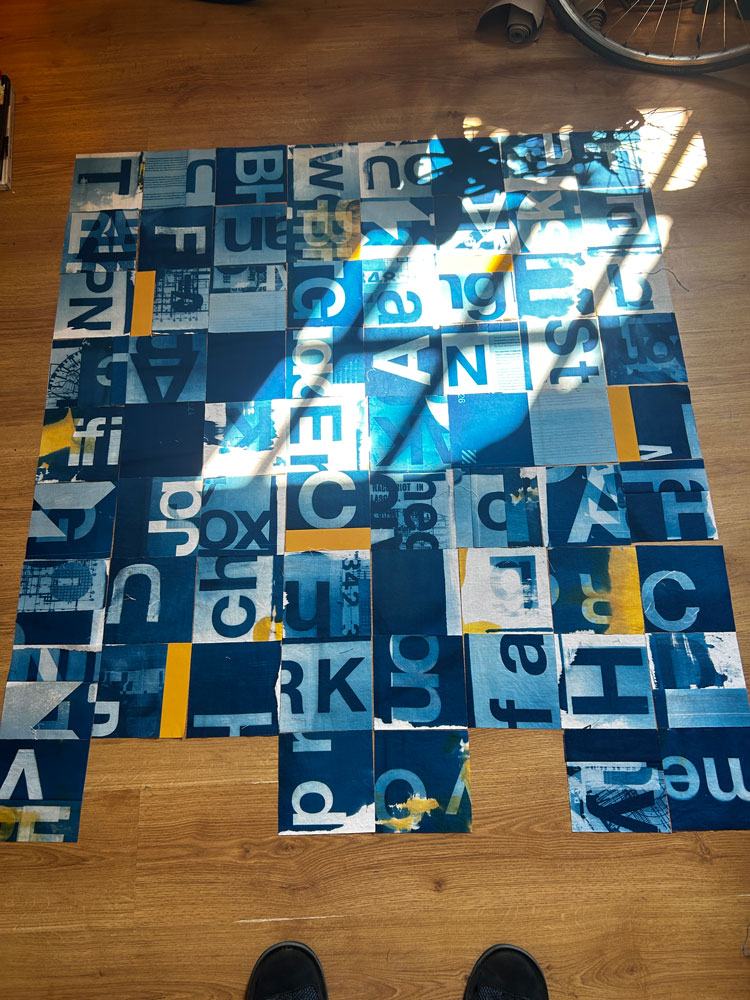
This work is composed of ninety hand-printed cyanotype tiles arranged within a rigid 9 × 10 grid. Fragments of architectural drawings, typography and fields of saturated blue are interrupted by printed orange bars that punctuate the surface. The architectural plans derive from the panopticon, Jeremy Bentham’s prison design later adopted by Michel Foucault as a model for modern systems of surveillance and discipline (Foucault, 1977). Here, however, the panopticon is neither illustrated nor centred. Instead, it appears only in fragments, scattered across the surface and absorbed into the wider visual field.

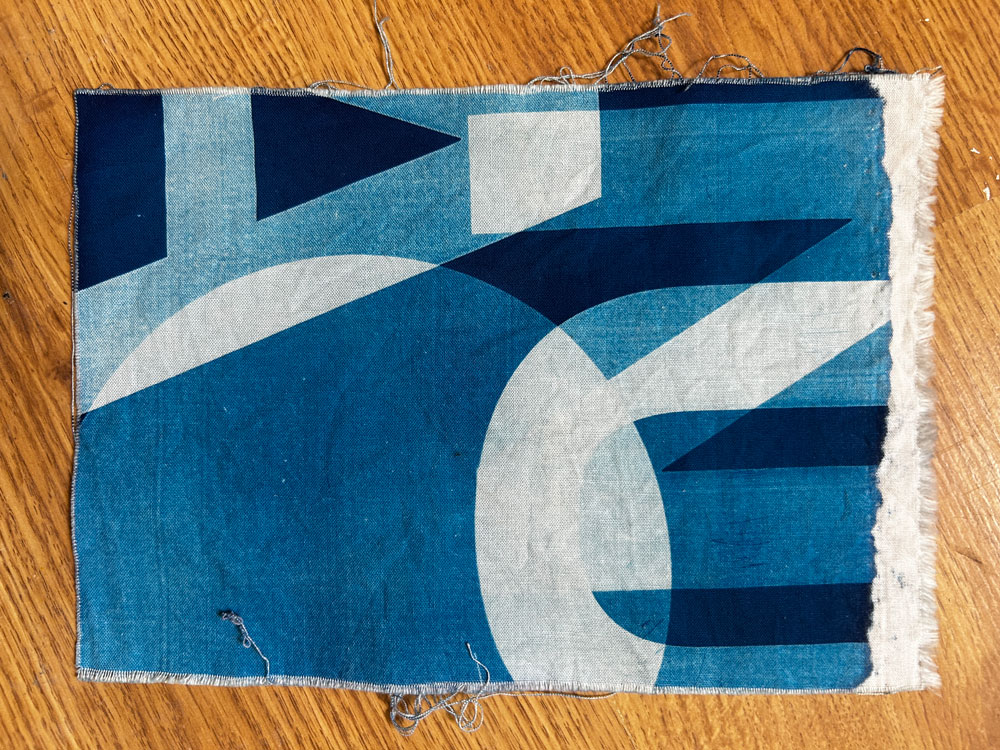
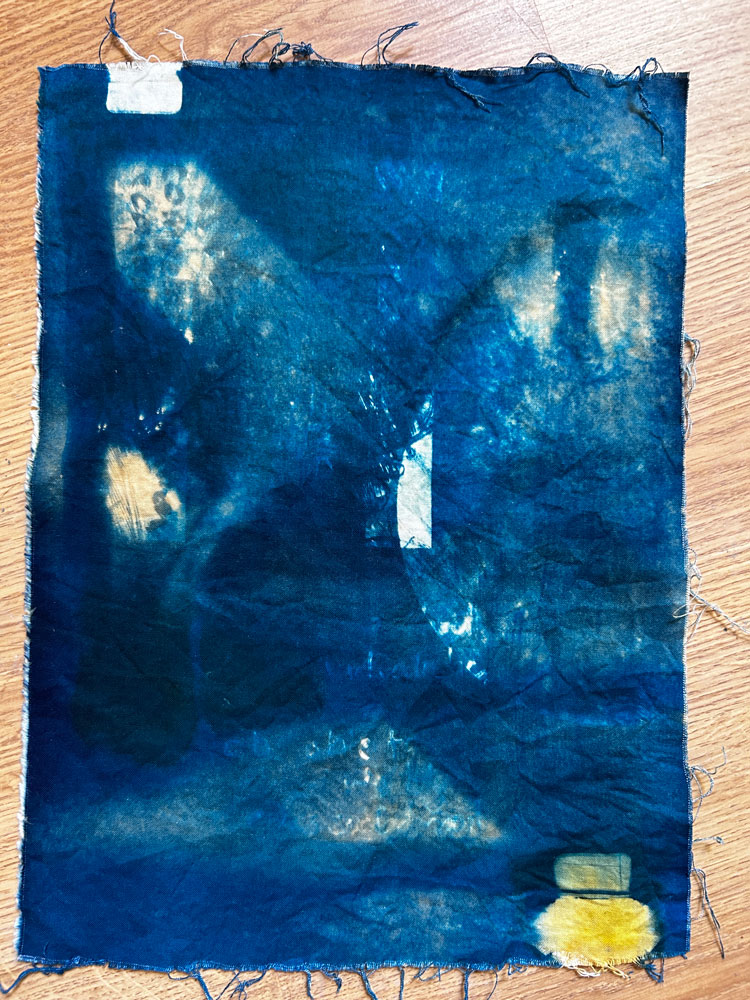
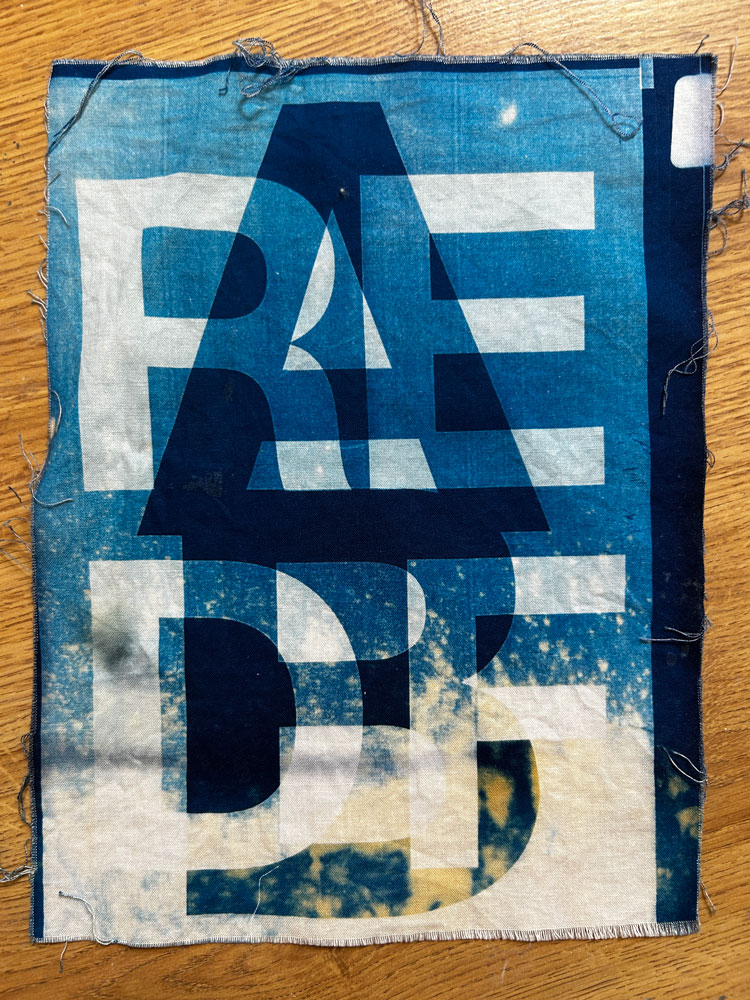
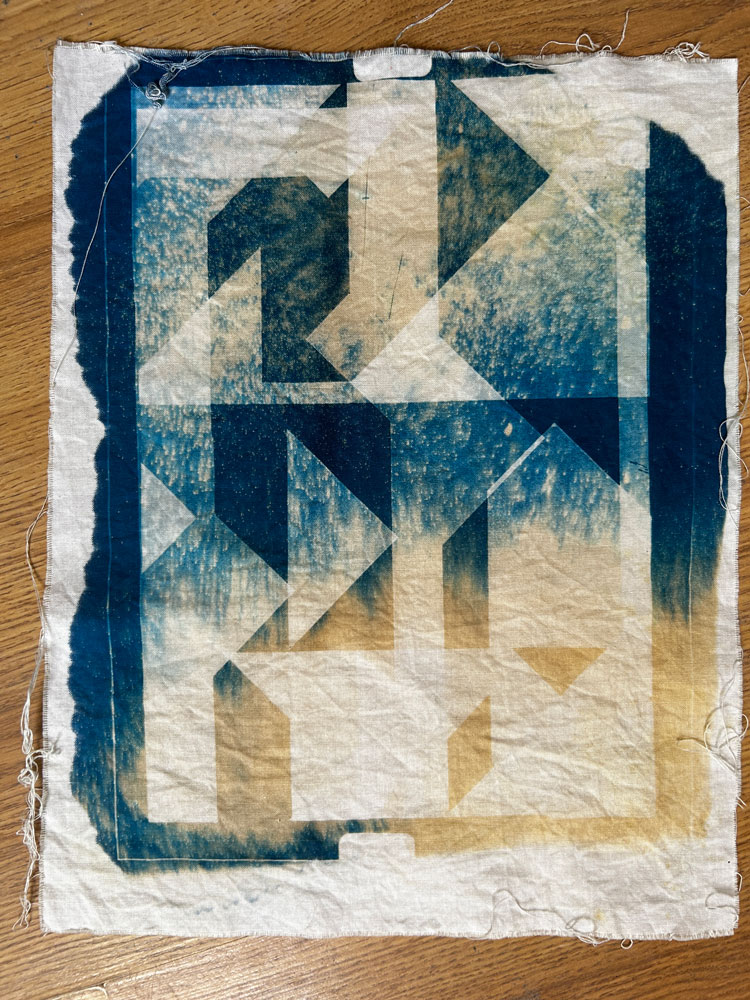
This quilt marks a temporary shift in my practice. Recent projects have been informed by Object-Oriented Ontology and New Materialist thinking, considering the agency of materials and the autonomy of objects beyond human interpretation. While those concerns remain important, this work turns its attention towards the social production of meaning, asking how language, discourse and systems of representation participate in the construction of identity and the exercise of power.
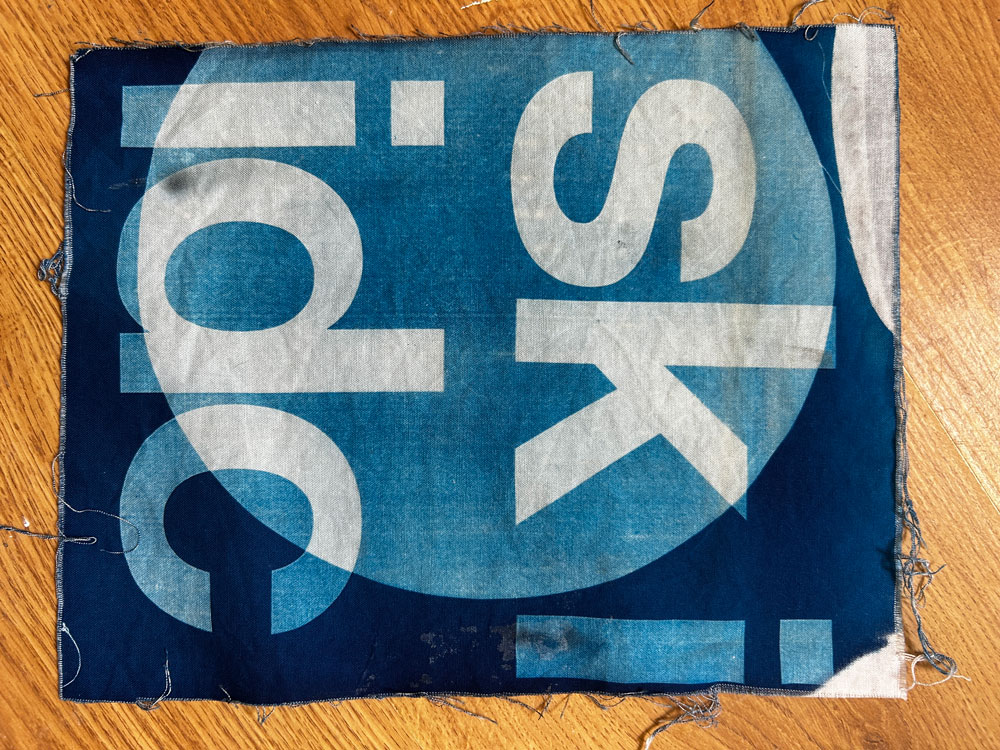
Fragments of text circulate across the surface but never really resolve into coherent speech. It invites viewers to search for recognisable phrases but frustrates that expectation, promises coherence but repeatedly withholding it. Words are interrupted and dispersed, showing that language is never simply a neutral – it’s one of the mechanisms through which identities are produced, classified and challanged. Drawing on Hall’s understanding of representation and Foucault’s analysis of discourse, the quilt explores language not just as speech or writing, but as a system that organises knowledge. It regulates visibility and shapes the conditions under which subjects come to understand themselves (Hall, 1997; Foucault, 1972).
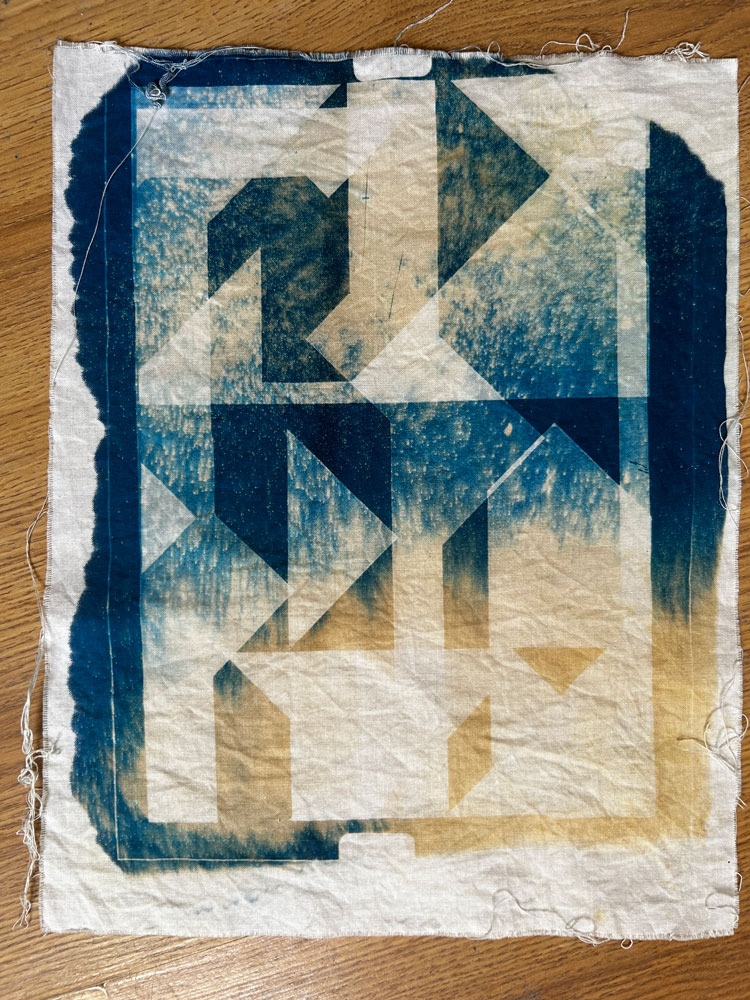
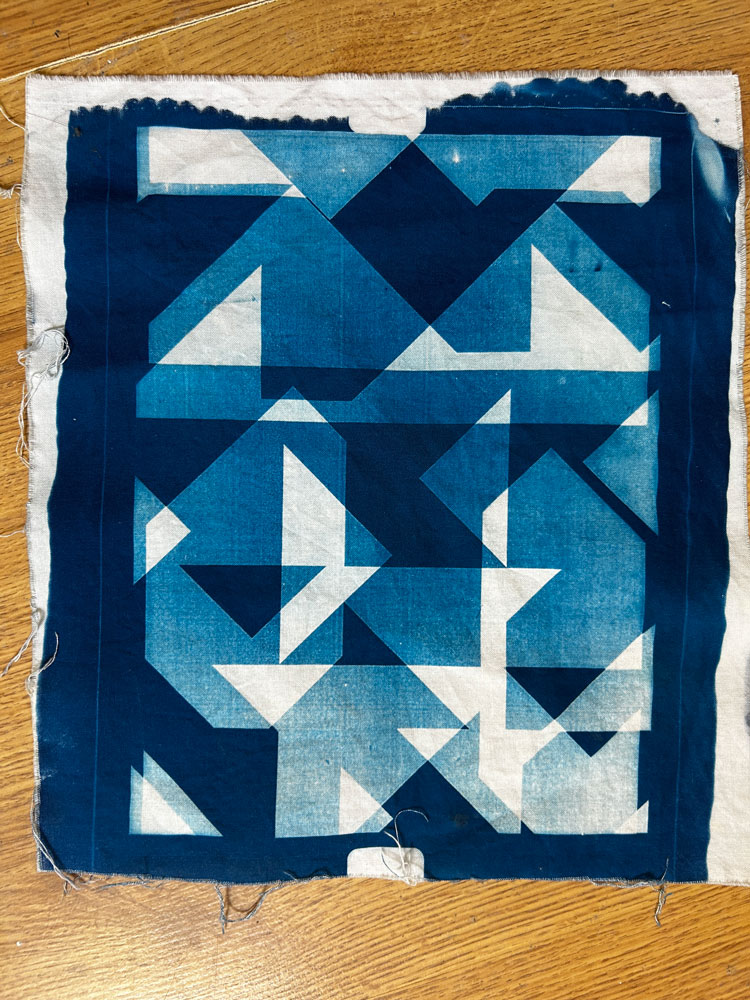
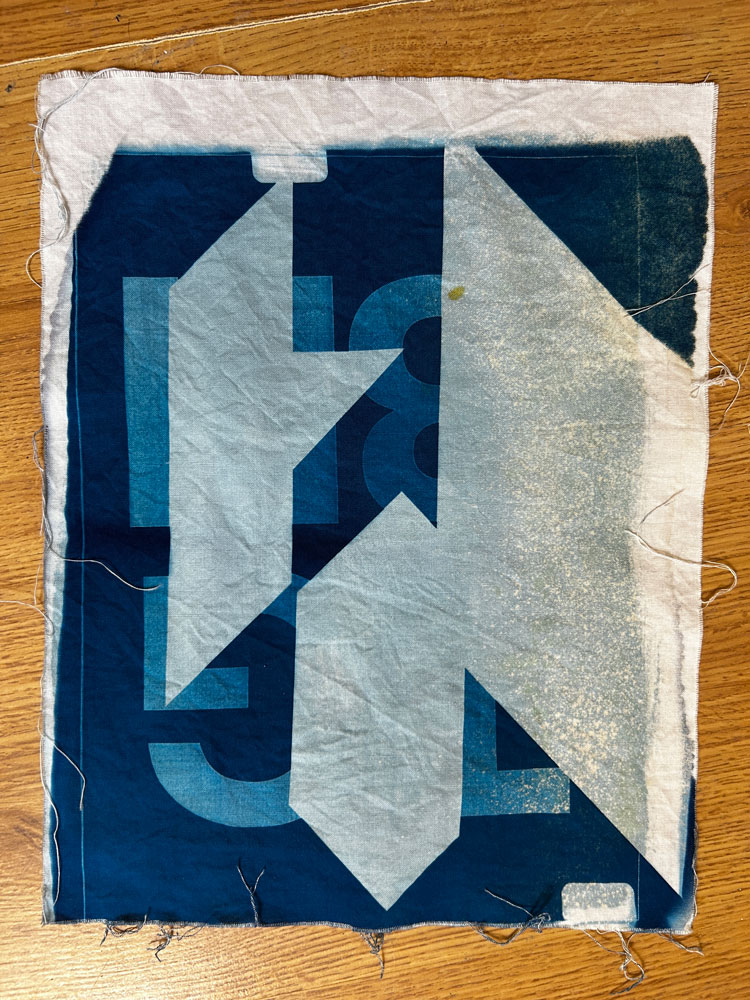
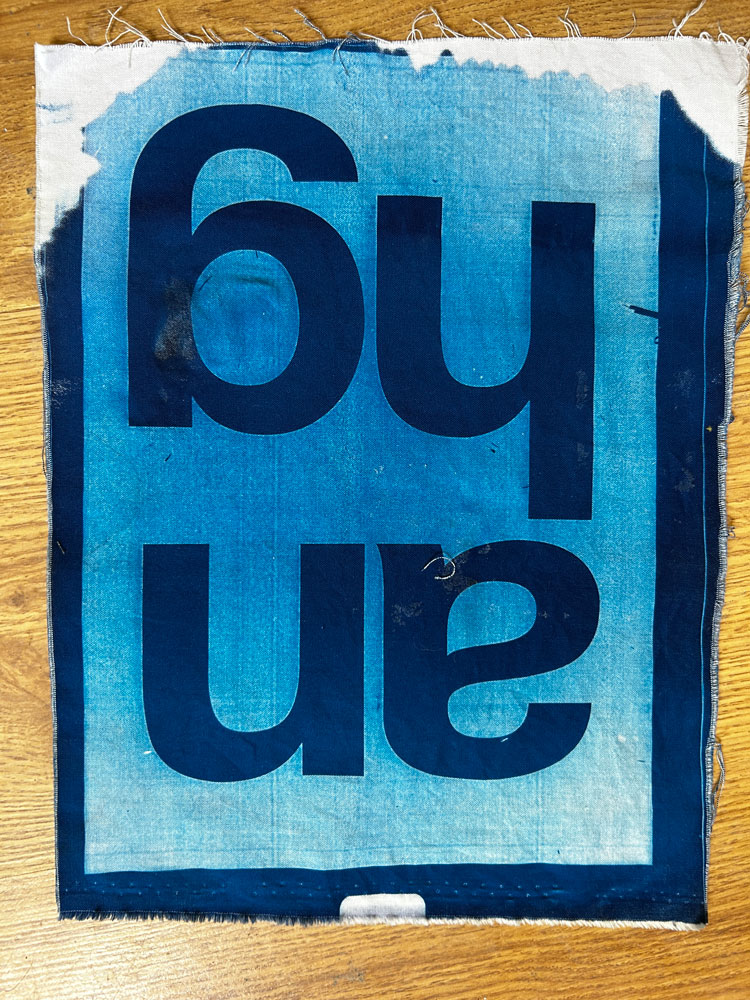
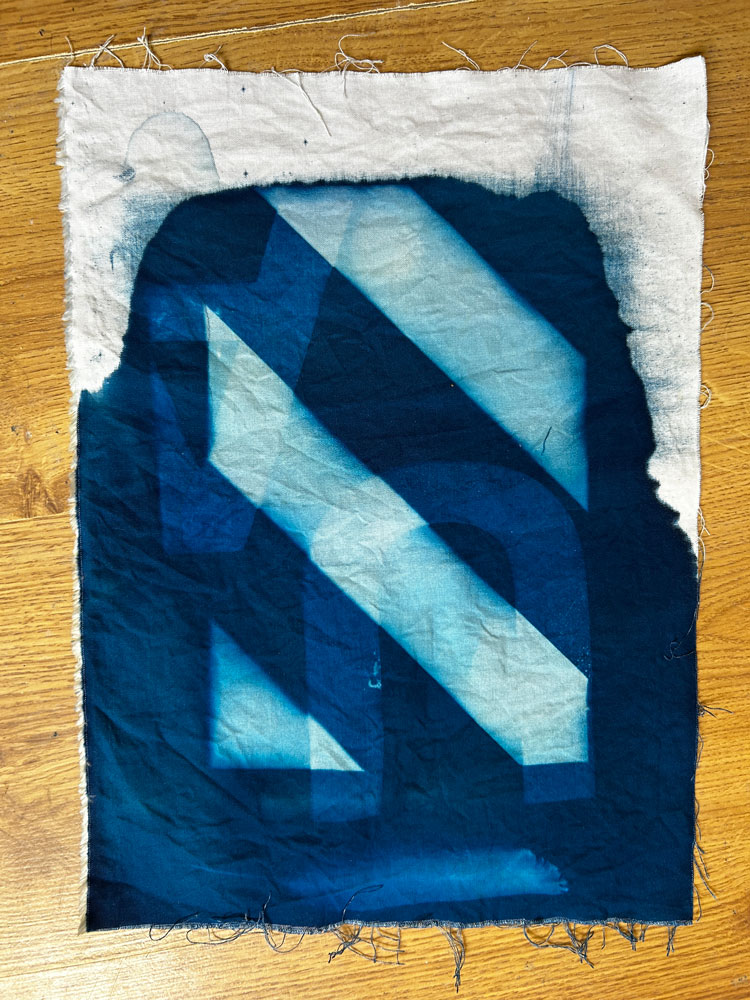
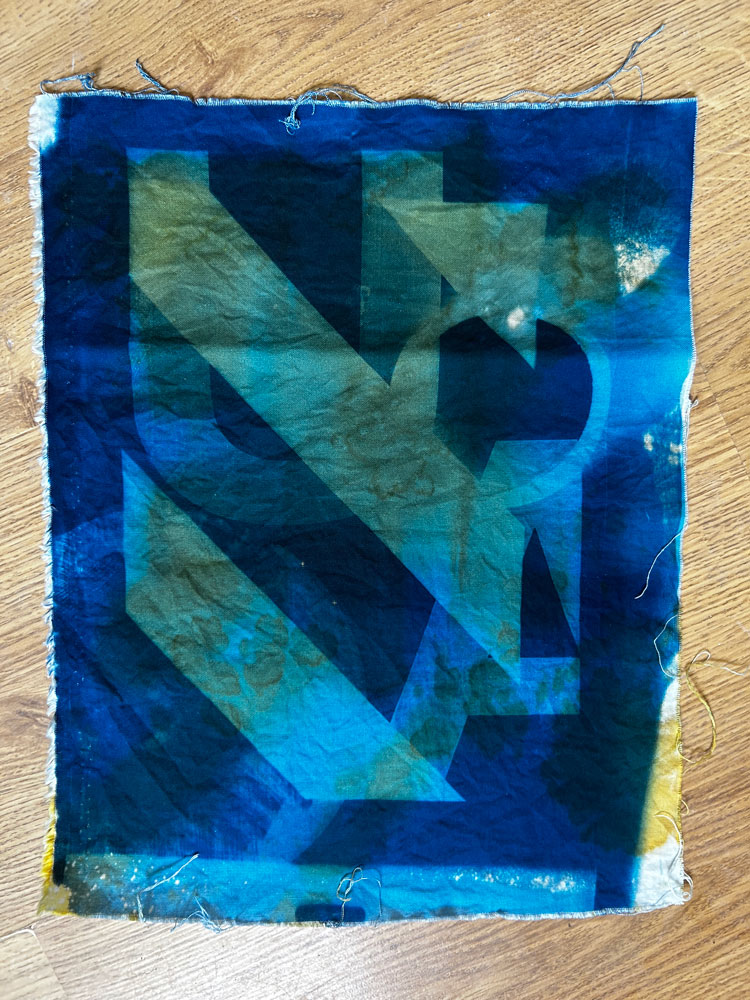
The grid is a compositional structure, and metaphor. Like archives, maps, census records and databases, it presents itself as an ordering system. Classification is never neutral. The grid gives visual form to systems that stabilise identity even as the fragmented images and interrupted texts resist complete assimilation into those structures.
As discussed in some of my other posts, the choice of quilting as a medium is itself significant. Historically associated with domestic labour, collective making and forms of knowledge excluded from the traditional canon of fine art, the quilt becomes a site where craft collides with institutional systems of art value. Repetition, stitching and fragmentation rub againstthe rational order of the grid and, by extension, the disciplinary logic of the panopticon. The work consciously borrows formal strategies from Gee’s Bend quilts while recognising that these forms can’t be separated from histories of race, labour, gender and cultural value. The reference is intended not as an aesthetic quotation but as an acknowledgement of the complex histories that still shape how craft from under represented groups is circulated, fetishised and interpreted.
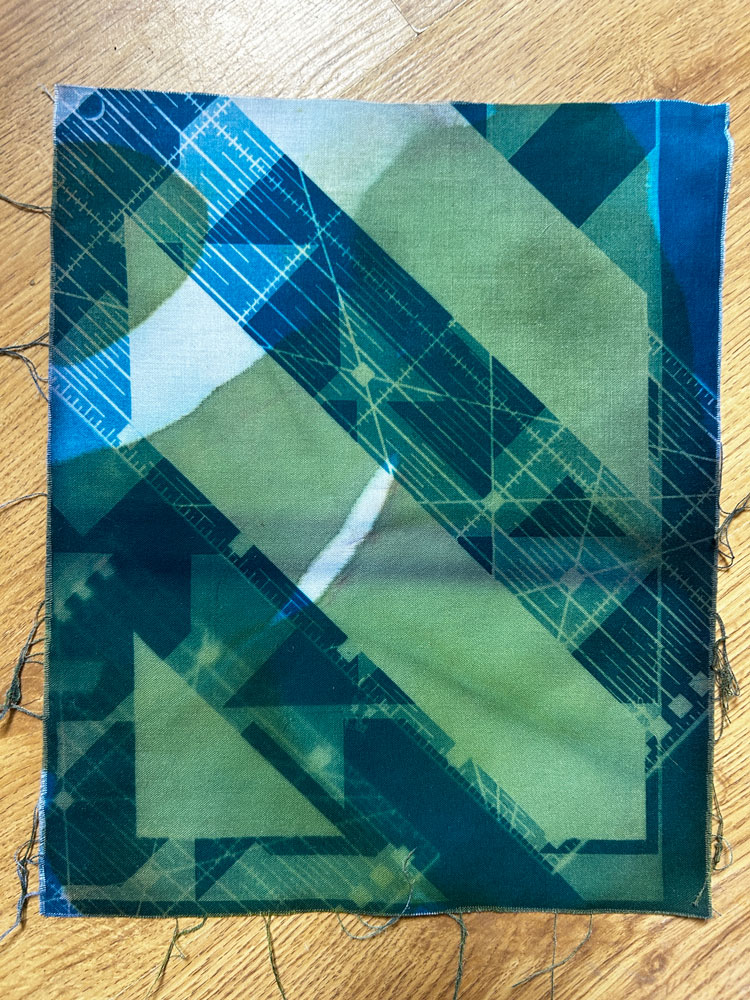
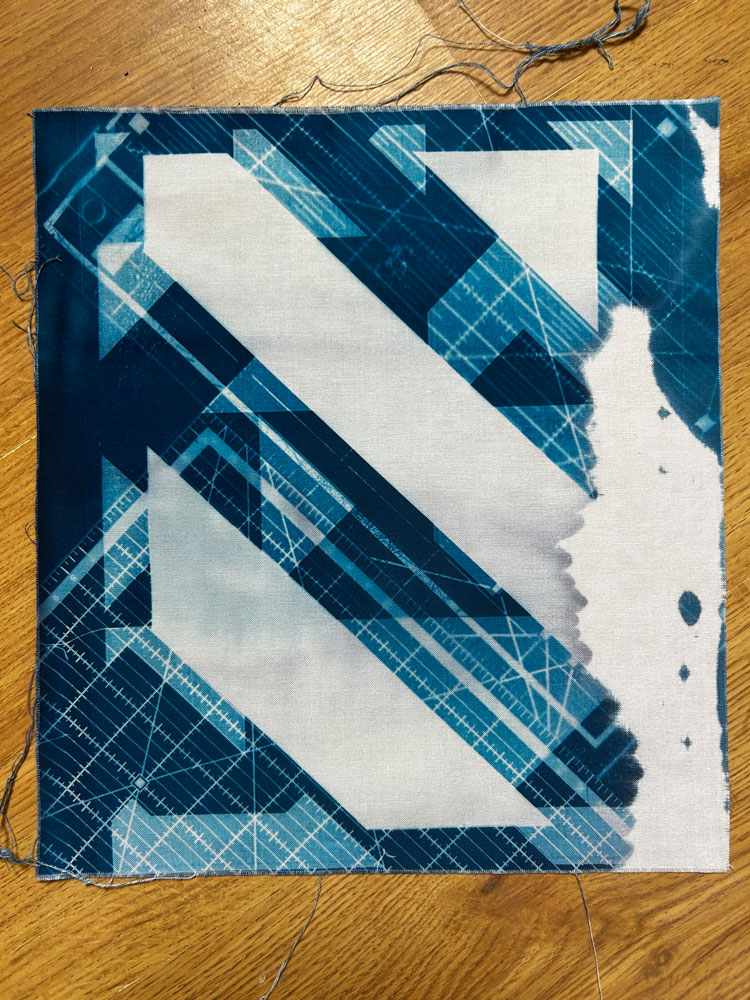

Although this project points to discourse over material ontology, the physicality of the quilt remains critical. Cyanotype chemistry, cotton, thread and stitch possess properties that resist complete control. Seams, folds, fibres, tension and material irregularities may remind viewers that systems of meaning are always contingent, negotiated through encounters with physical matter. Rather than abandoning questions of material agency, this work places them in collision, or tension with the politics of language and representation.
Ultimately, the quilt is less concerned with representing surveillance than with acknowledging its underlying logic. I would like wiewers to find themselves scanning the surface, searching for patterns, maybe deciphering fragments of language and constructing relationships between the tiled images. In doing so, they become implicated in the very processes of observation, interpretation and classification that the work seeks to examine.
References
Anderson, B. (2006) Imagined Communities: Reflections on the Origin and Spread of Nationalism. Revised edition. London: Verso.
Bentham, J. (1995) The Panopticon Writings. Edited by M. Božovič. London: Verso.
Foucault, M. (1972) The Archaeology of Knowledge. Translated by A.M. Sheridan Smith. London: Tavistock.
Foucault, M. (1977) Discipline and Punish: The Birth of the Prison. Translated by Alan Sheridan. London: Penguin.
Foucault, M. (1978) The History of Sexuality. Volume I: An Introduction. Translated by Robert Hurley. New York: Pantheon Books.
Hall, S. (1996) ‘Who Needs “Identity”?’, in Hall, S. and du Gay, P. (eds.) Questions of Cultural Identity. London: Sage, pp. 1–17.
Hall, S. (1997) Representation: Cultural Representations and Signifying Practices. London: Sage.

