IN PROGRESS

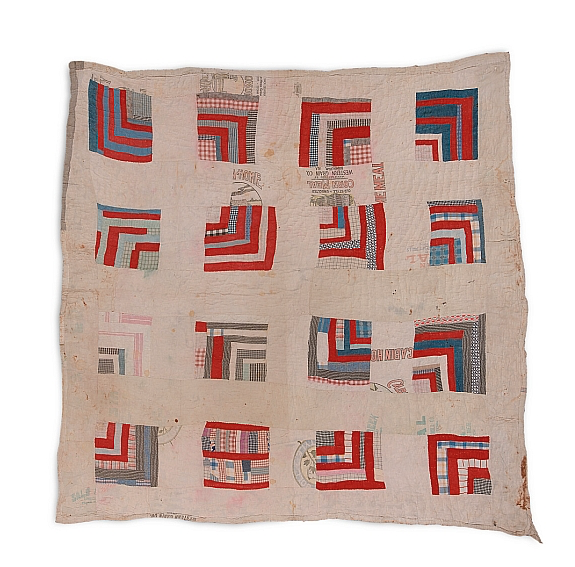
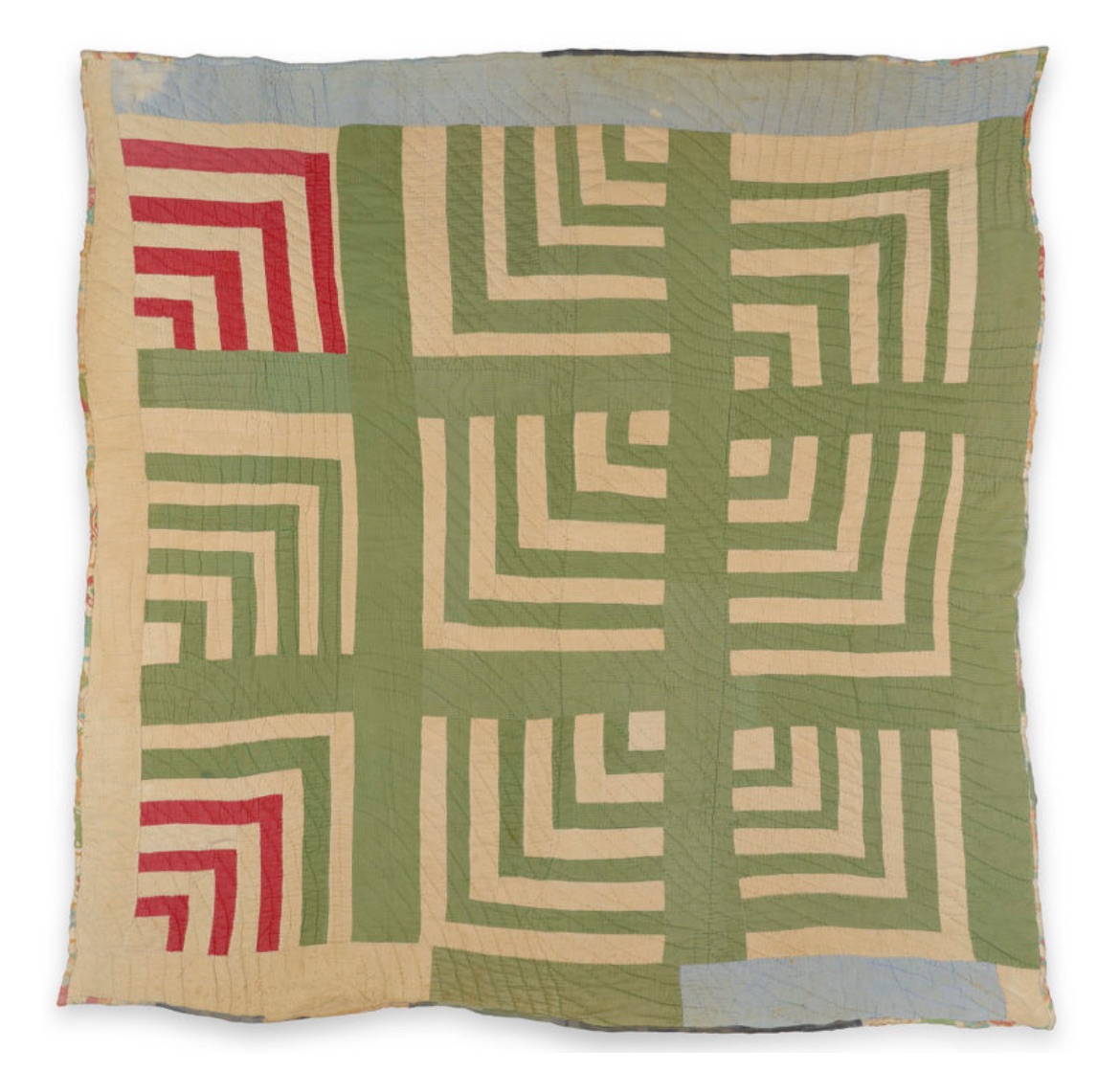
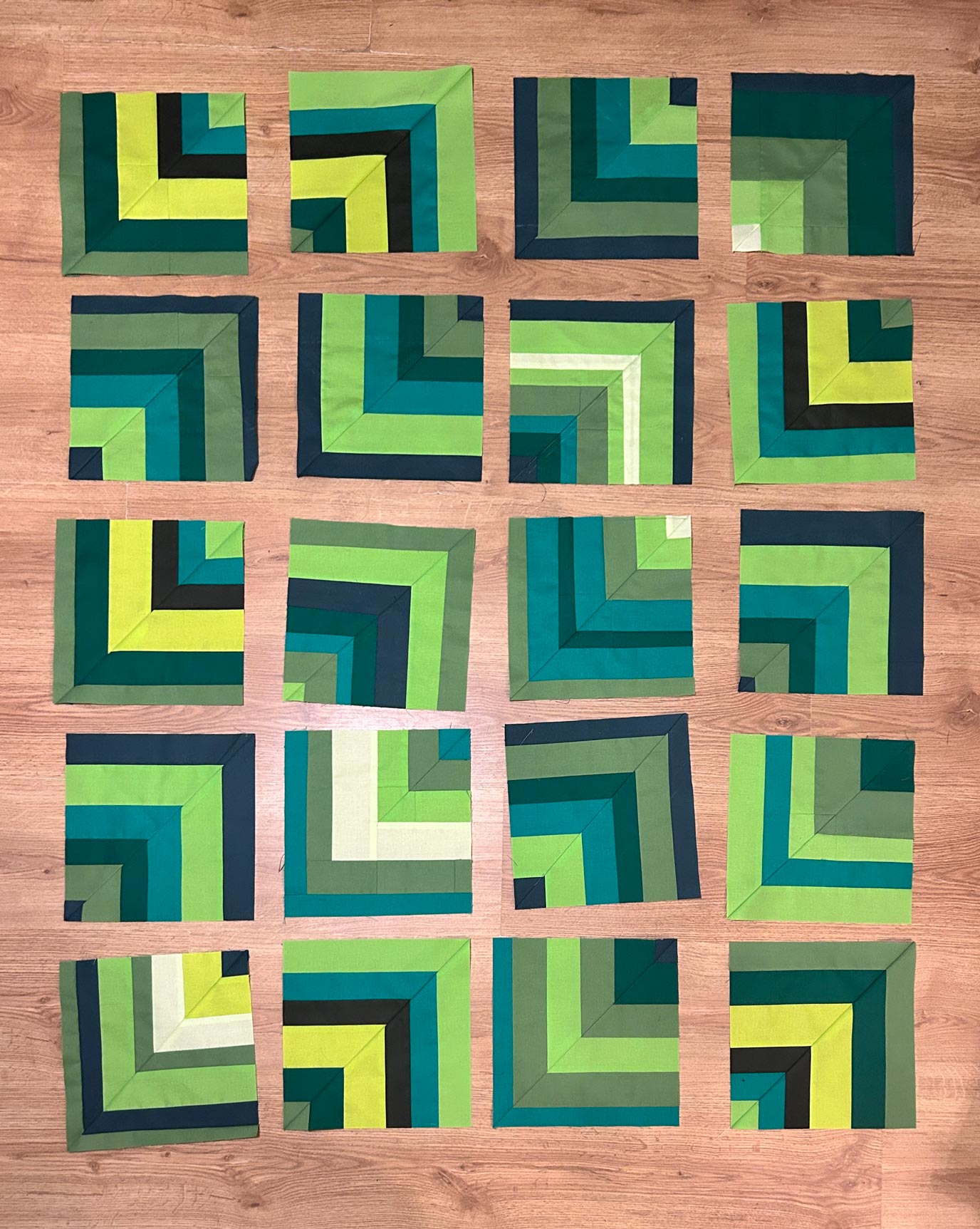
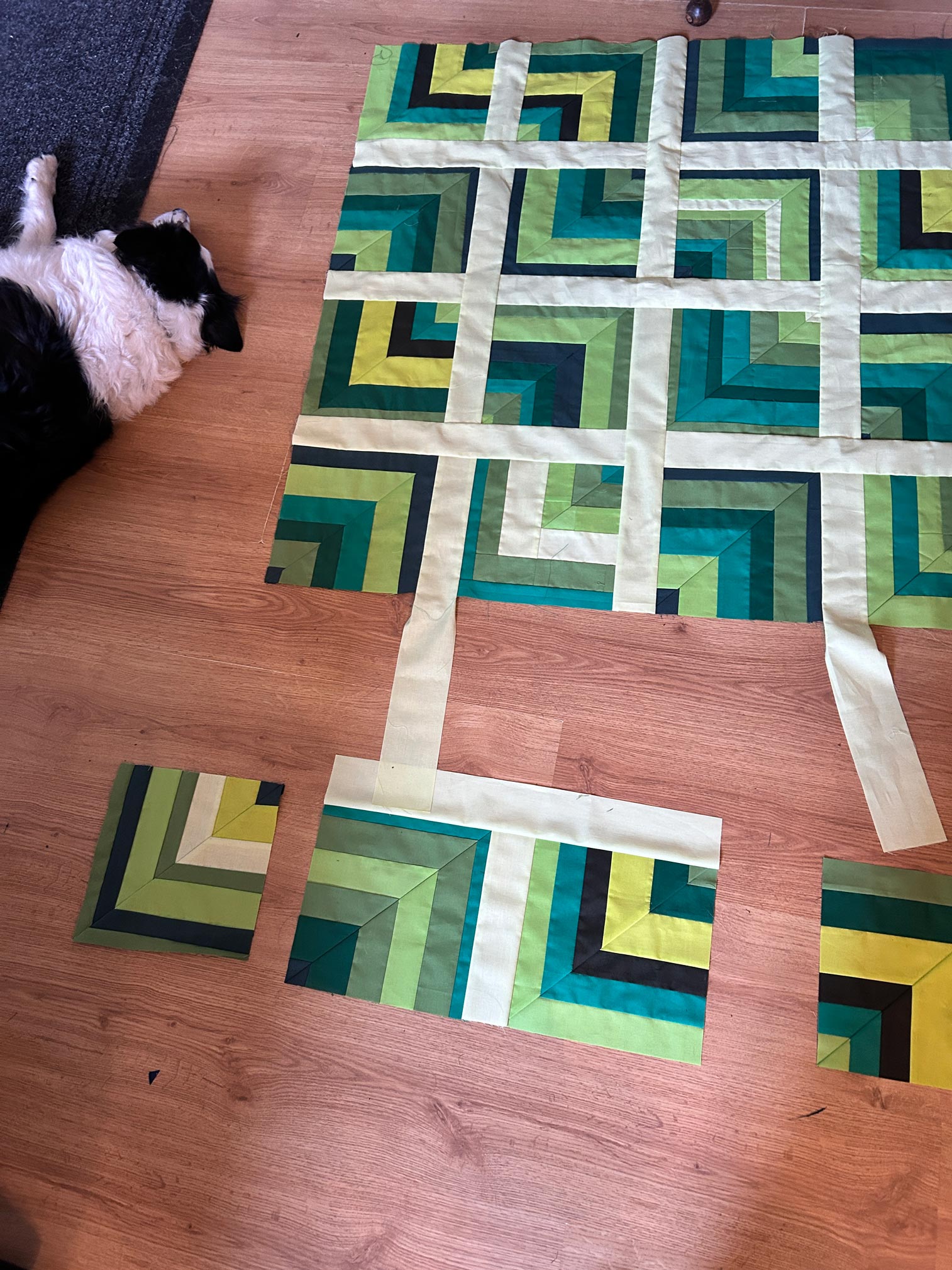
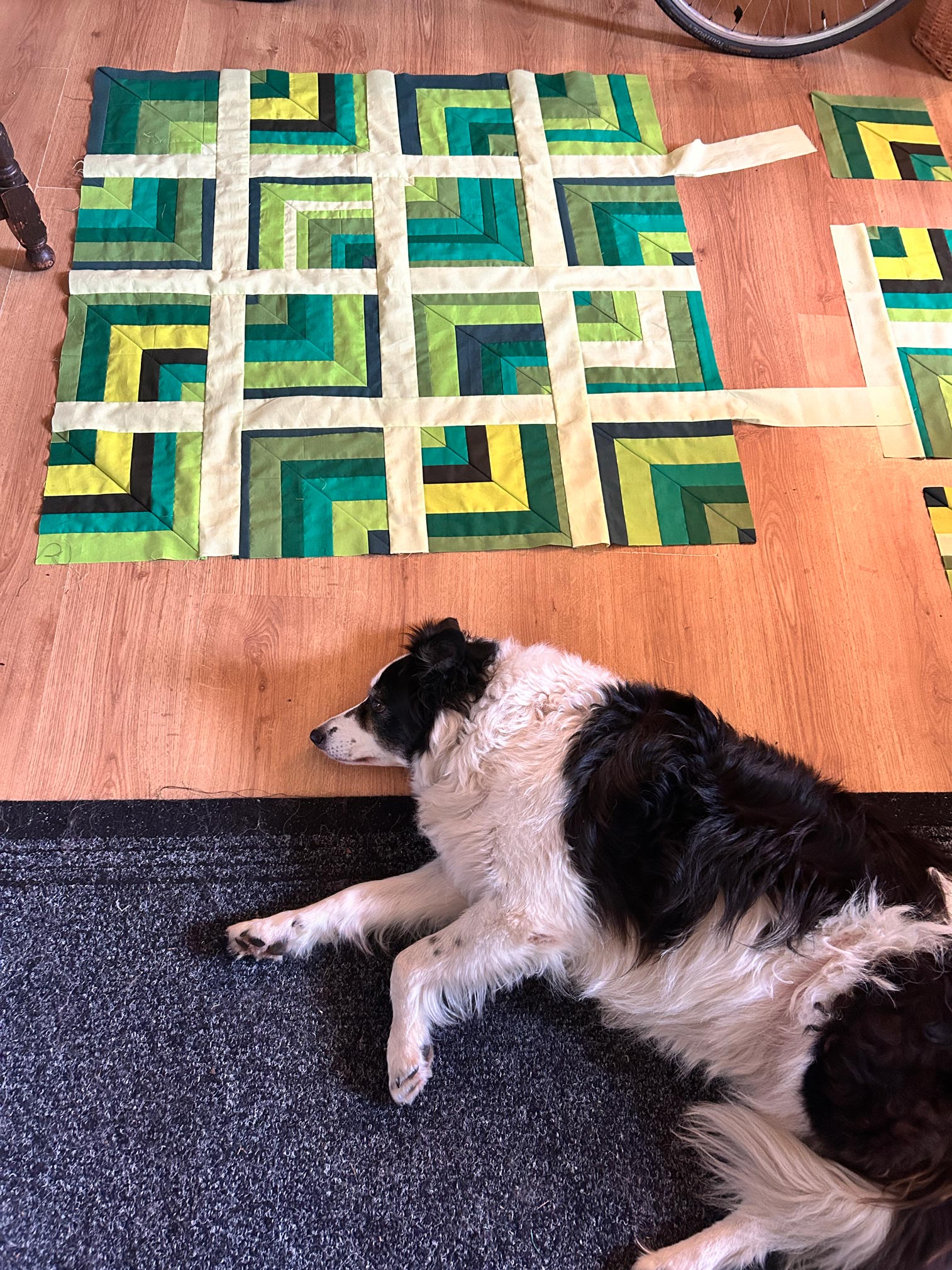
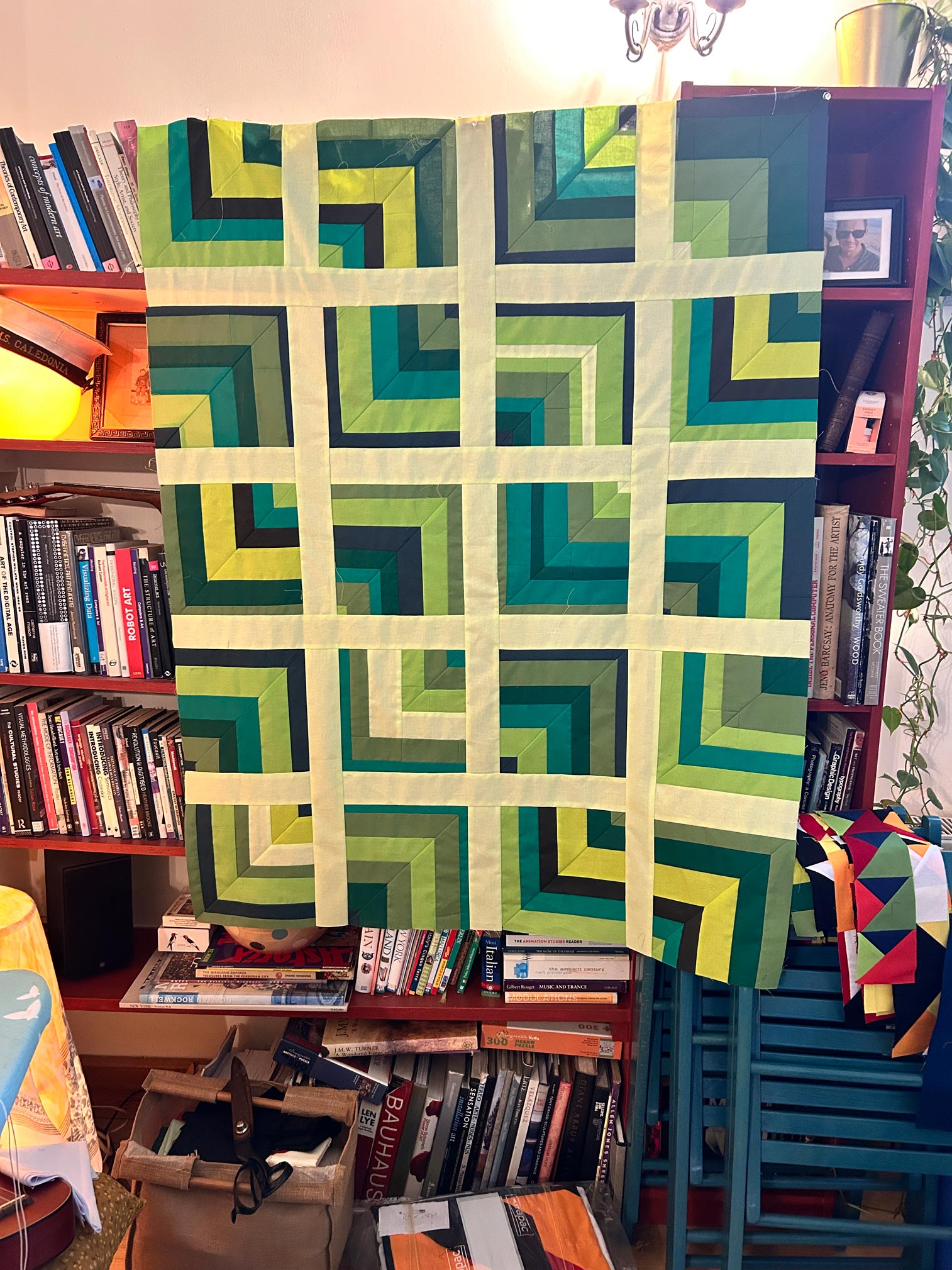
This quilt is a visual analogue to my apprehension and understanding of the commodification of the quilts made by the women of Gees Bend, Alabama. I would never use my position of white privilege to speak for them, but my Eurocentric education sees their quilting as a feminist practice that reclaims women’s traditionally undervalued domestic labour as skilled, creative work. I think their quilts amplify firstly, women’s voices and experiences through storytelling, resisting patriarchal hierarchies by transforming craft based practice into independence. This fosters community and collective empowerment. Secondly, as a marginalised community who’s ancestors were enslaved people, their quilts address race, identity, and social justice, making the practice both personal and political (Armstrong, 1981; Ringgold, 1998; Arnett, 2002). Their work has been viewed by some historians as legacy objects of Slave quilts – the quilts of the underground railroad (the route between abolitionists who helped slaves escape the south). The folklore is that certain patterns that were used to communicate to escaped slaves heading for the Canada border and freedom (the theory has however been disputed by historians).
My main beef here though is, have these utilitarian blankets made from necessity as covers to keep warm, and manufactured from rags, sacks and other old quilts been commodified for white audiences by white curators, collectors and connoisseurs? If this premise is true, then their poverty (arguably in part caused by oppression of white county and state wide legislation that discontinued essential ferry trips that serviced the community), and the stories of their longer oppression, displacement and unimaginable history as enslaved people has become commodified as white audiences fetishise their story. In what ways do the quilts align with white audience’s unquenchable thirst for consuming colonial logics of the ‘other’? My initial answers and a slightly fuller analysis can be found in my article here.
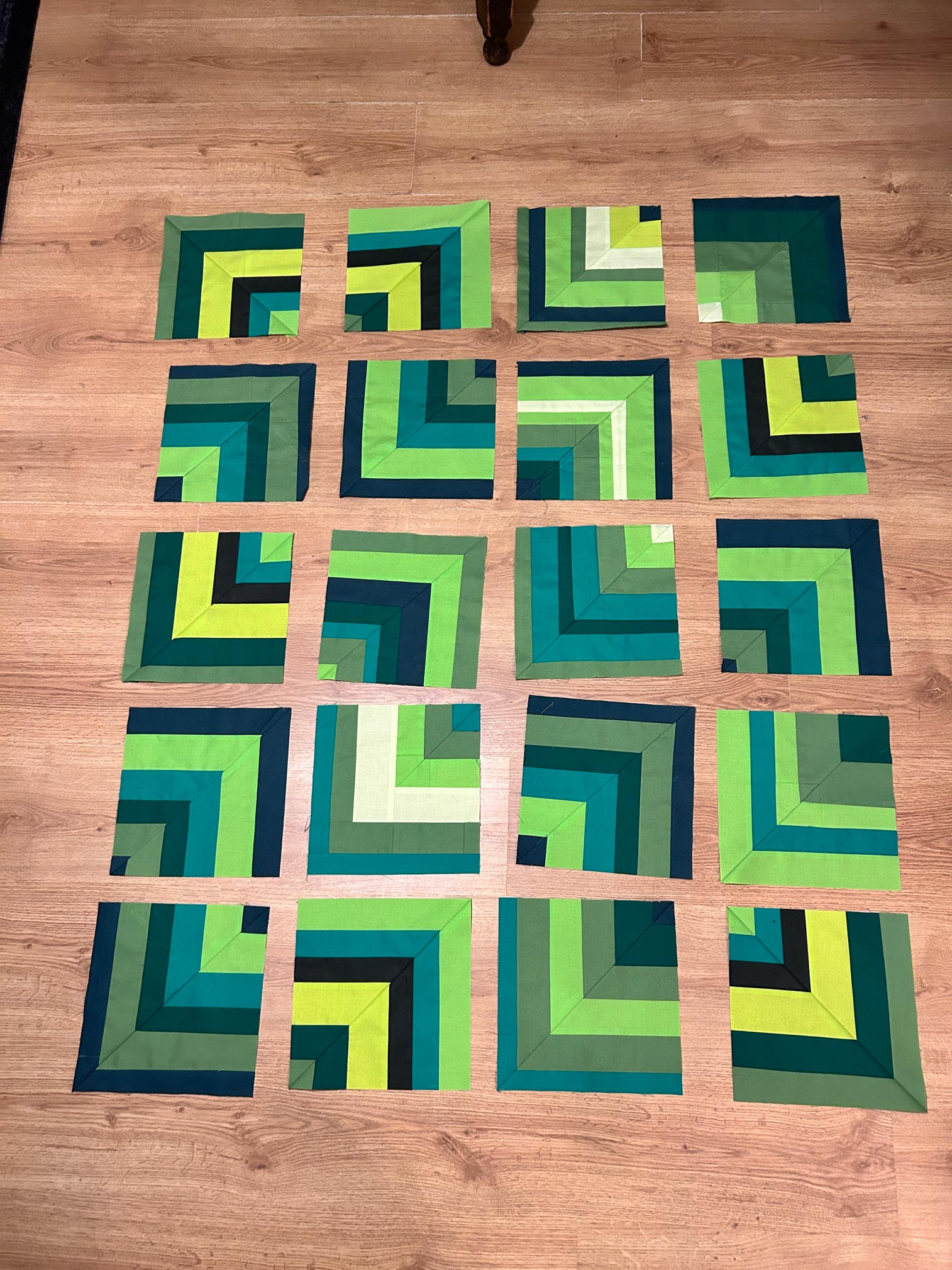
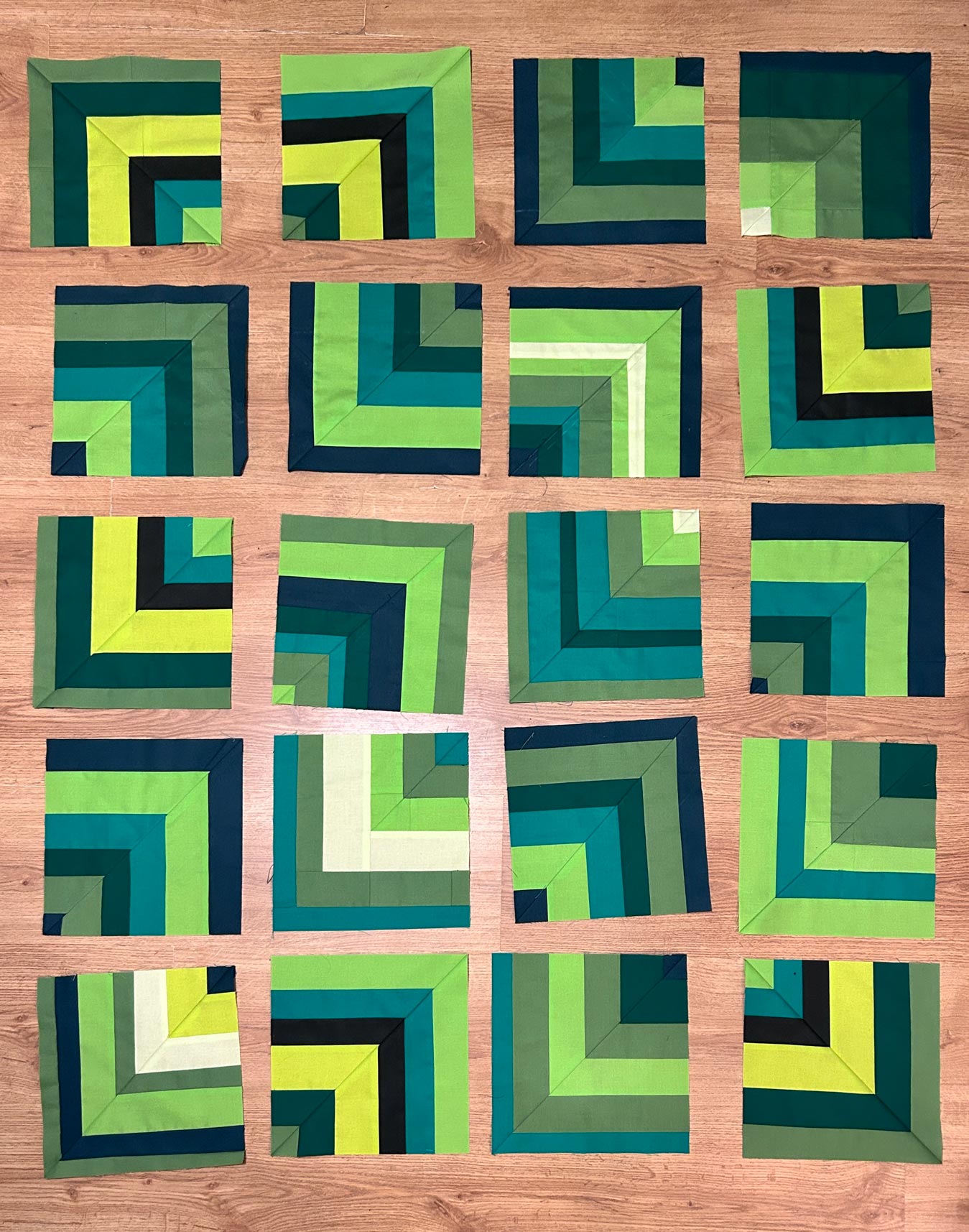
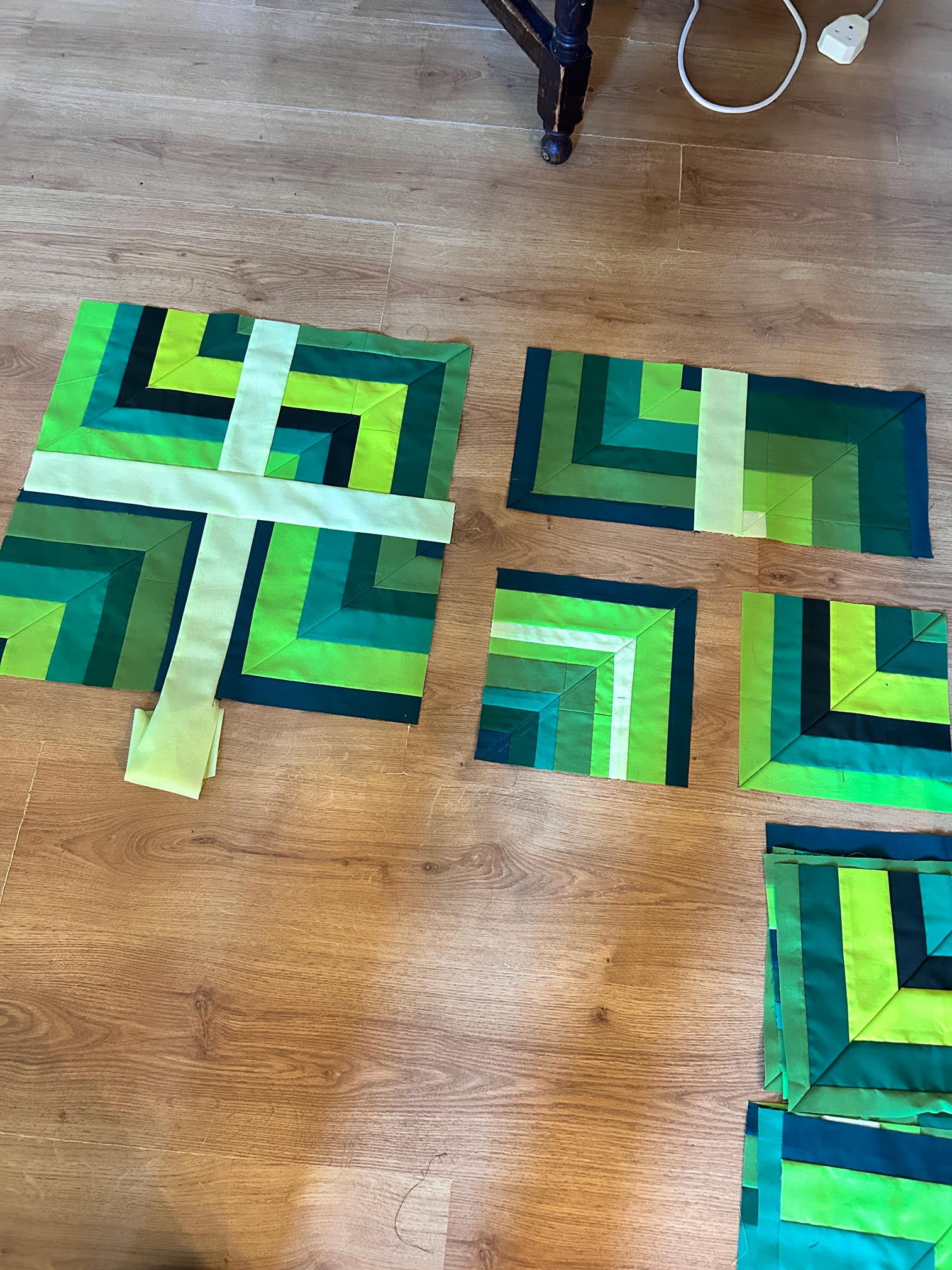
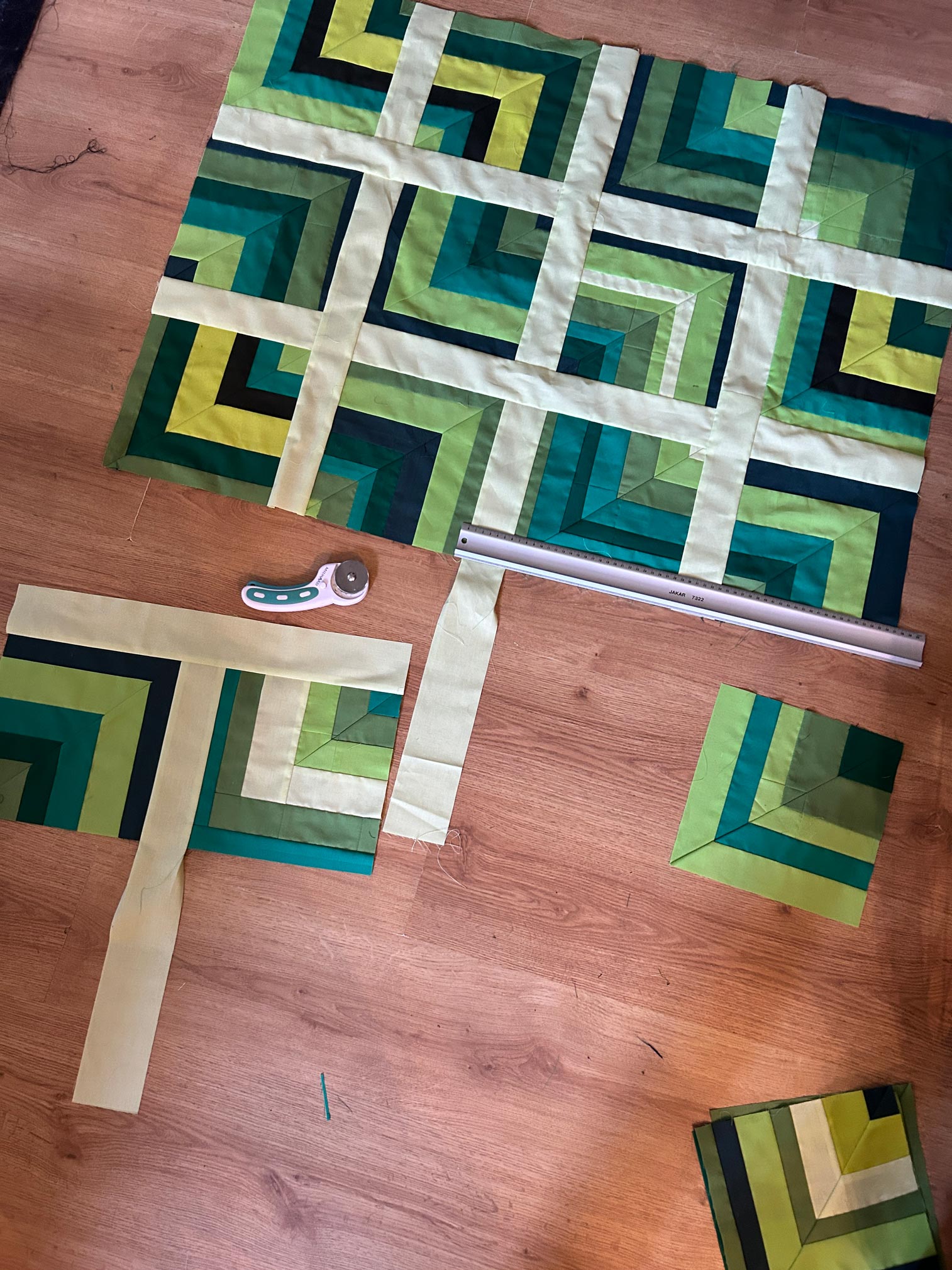
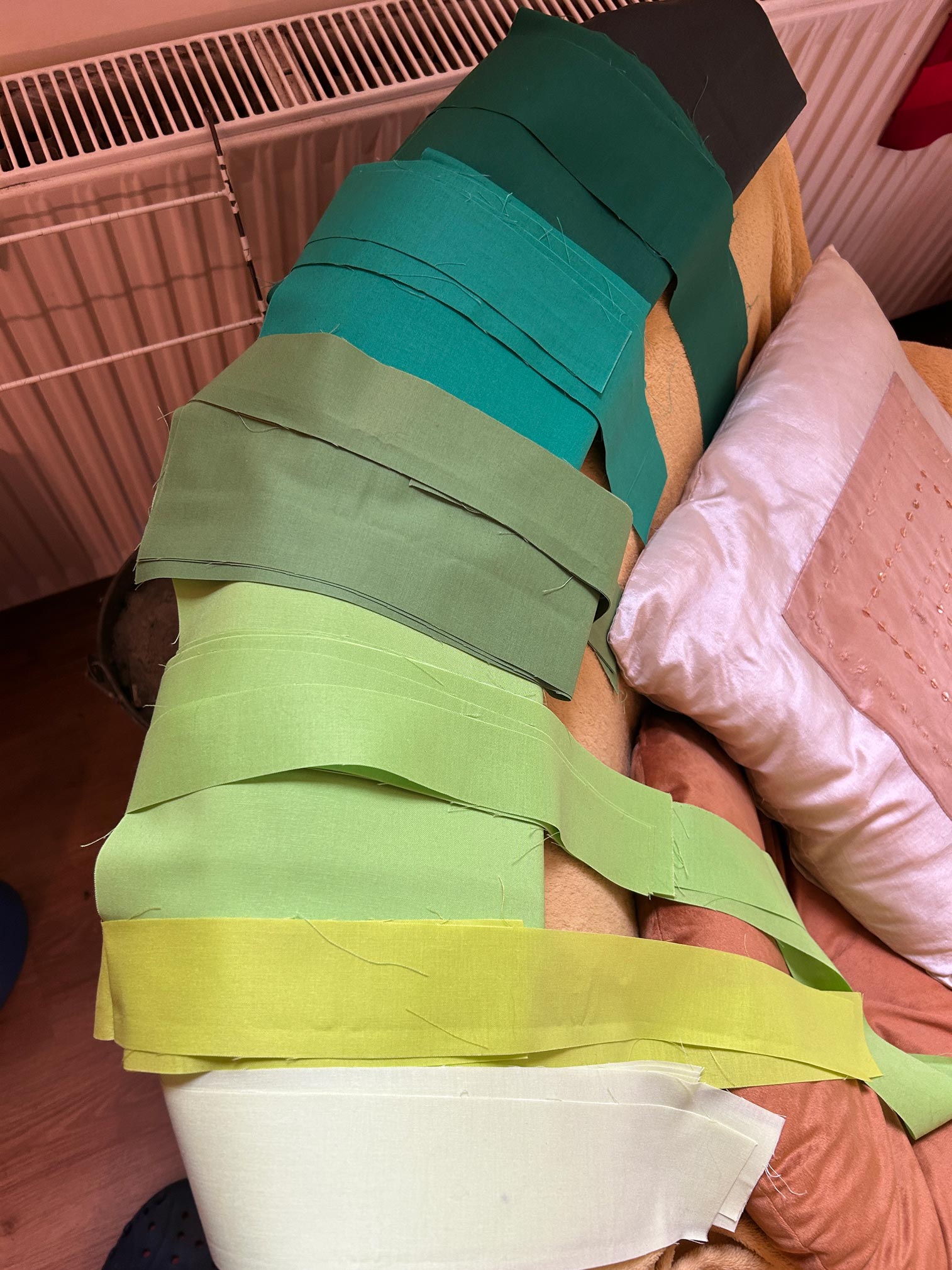
The quilt is still under construction

 andrewwelsby