An end of residence show at The Cross
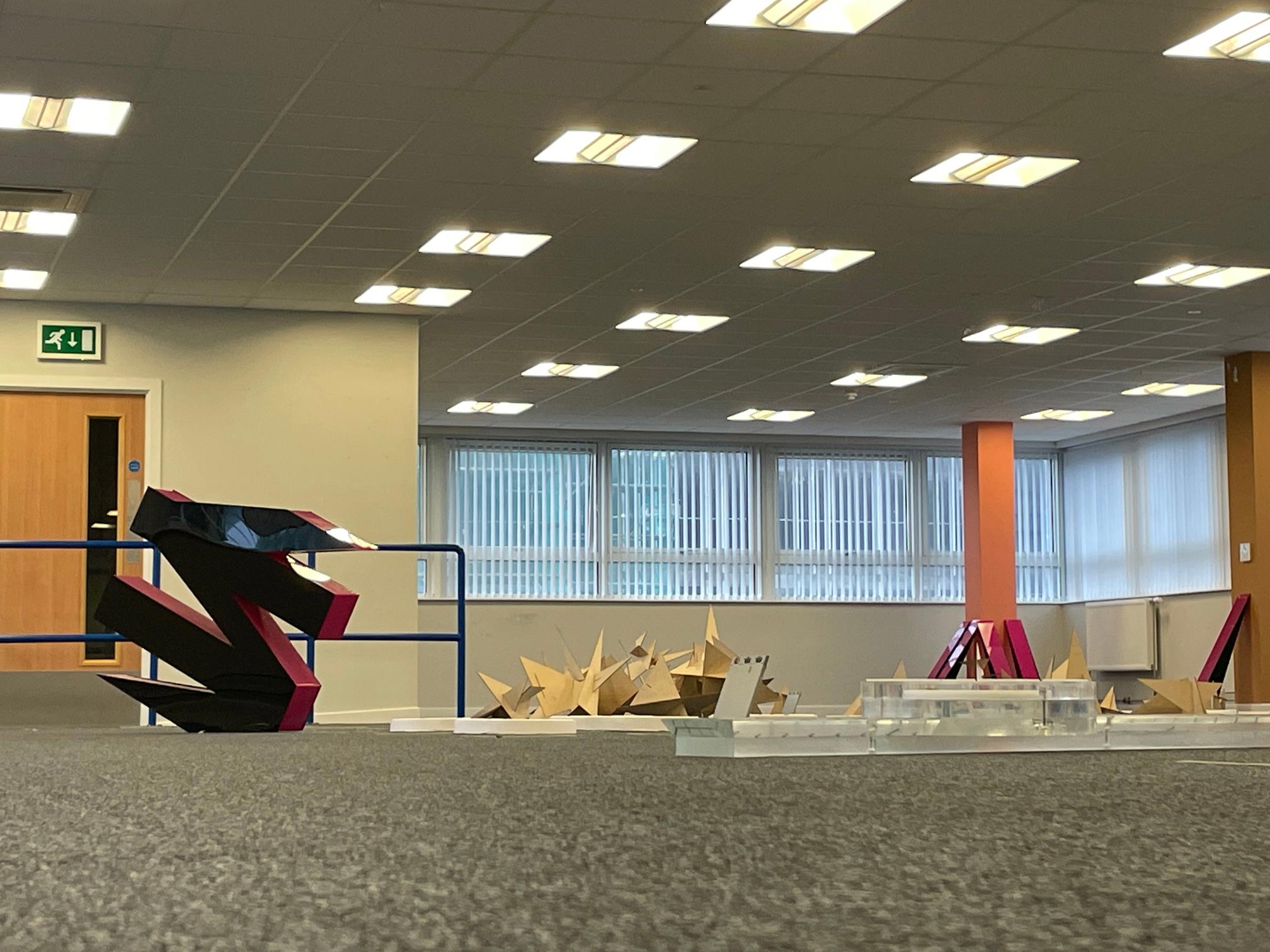
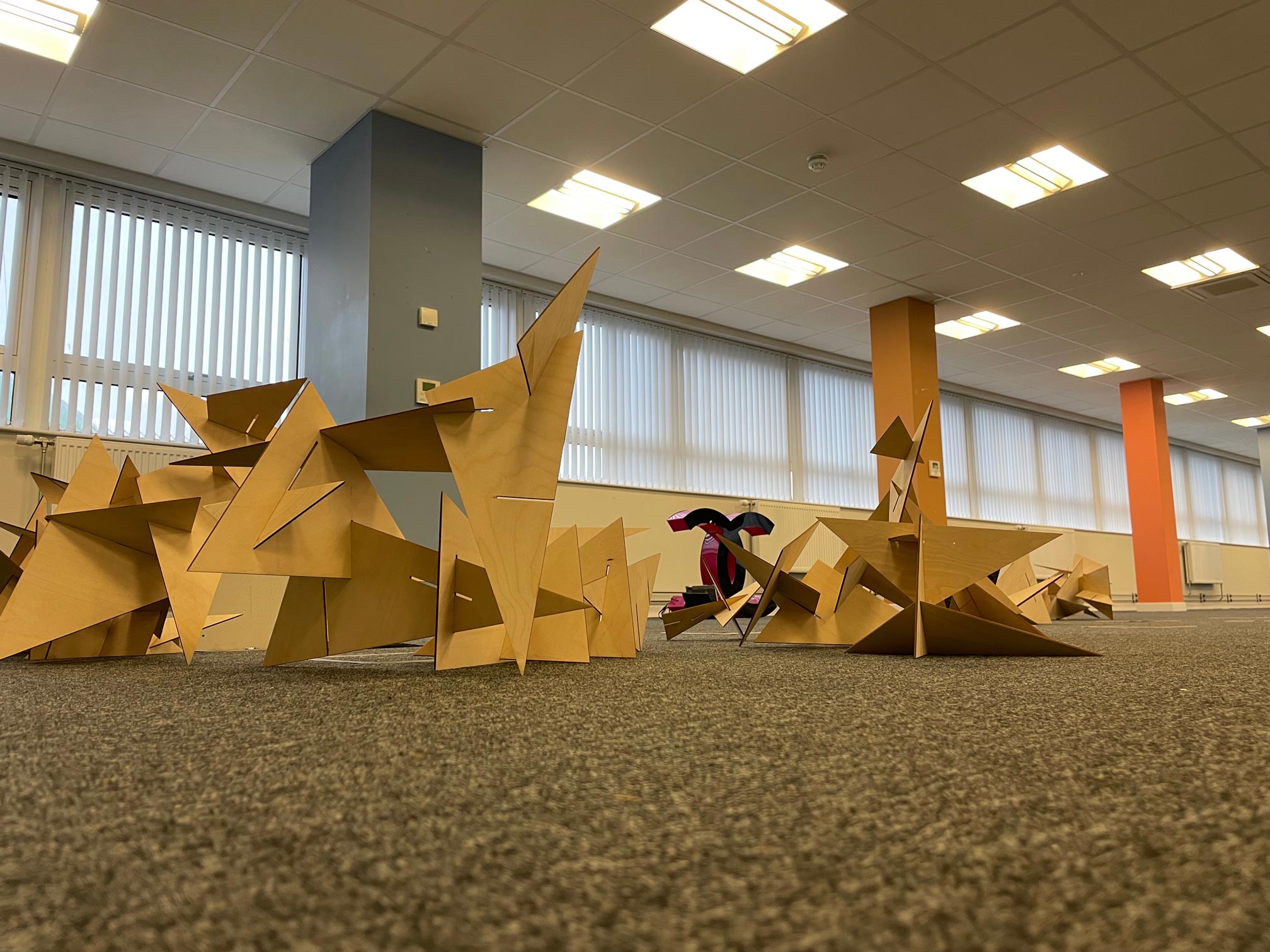
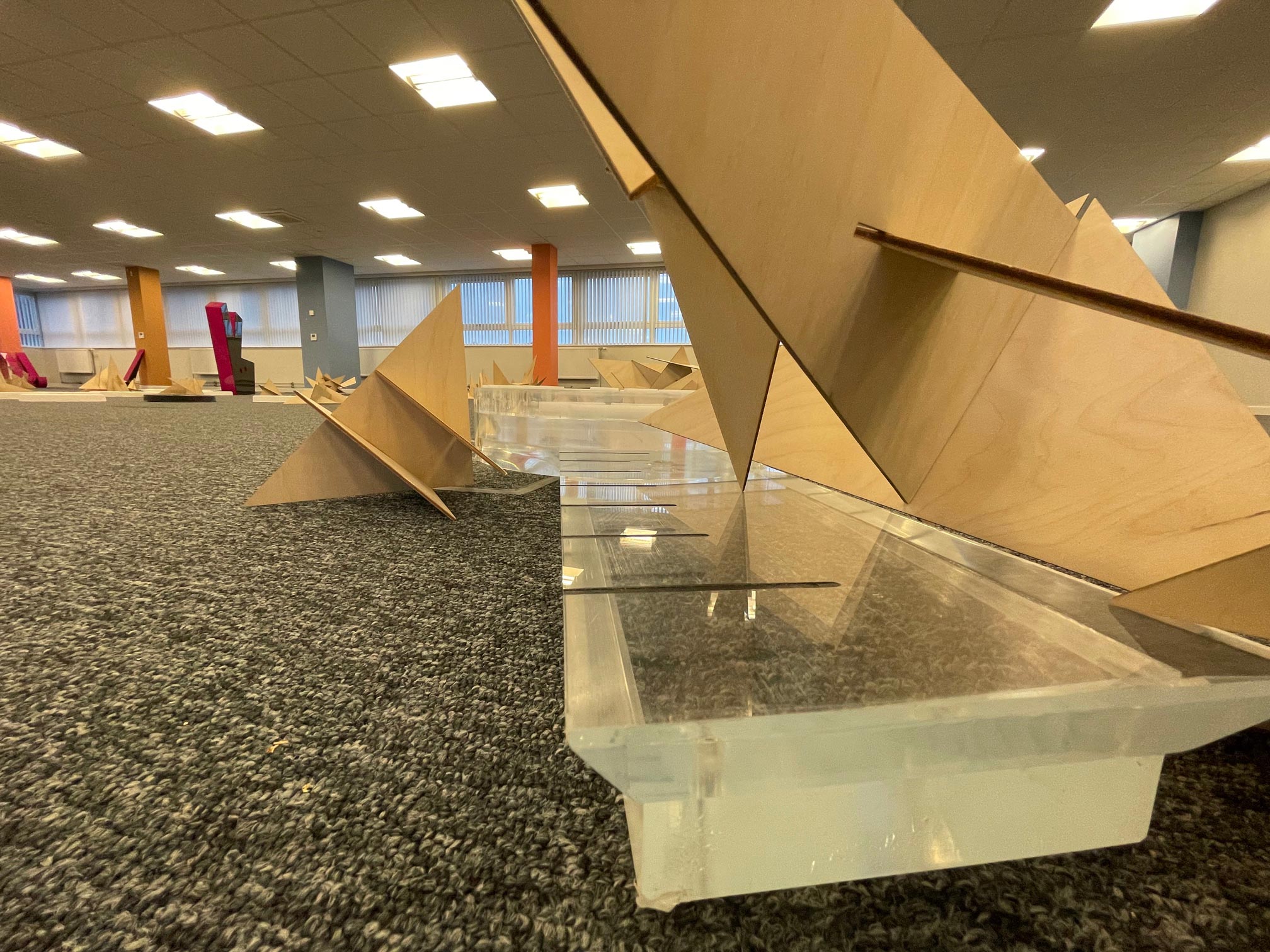
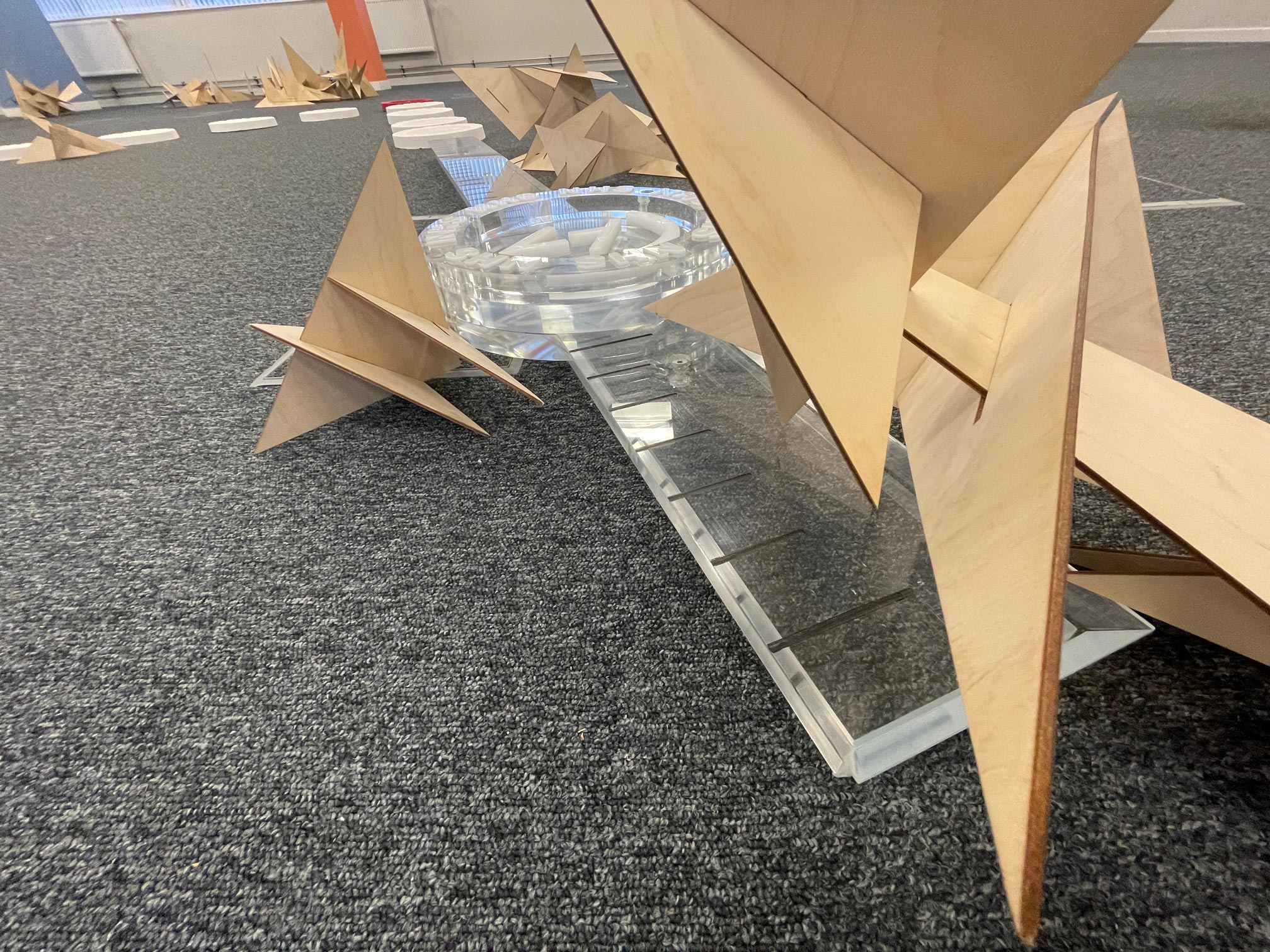
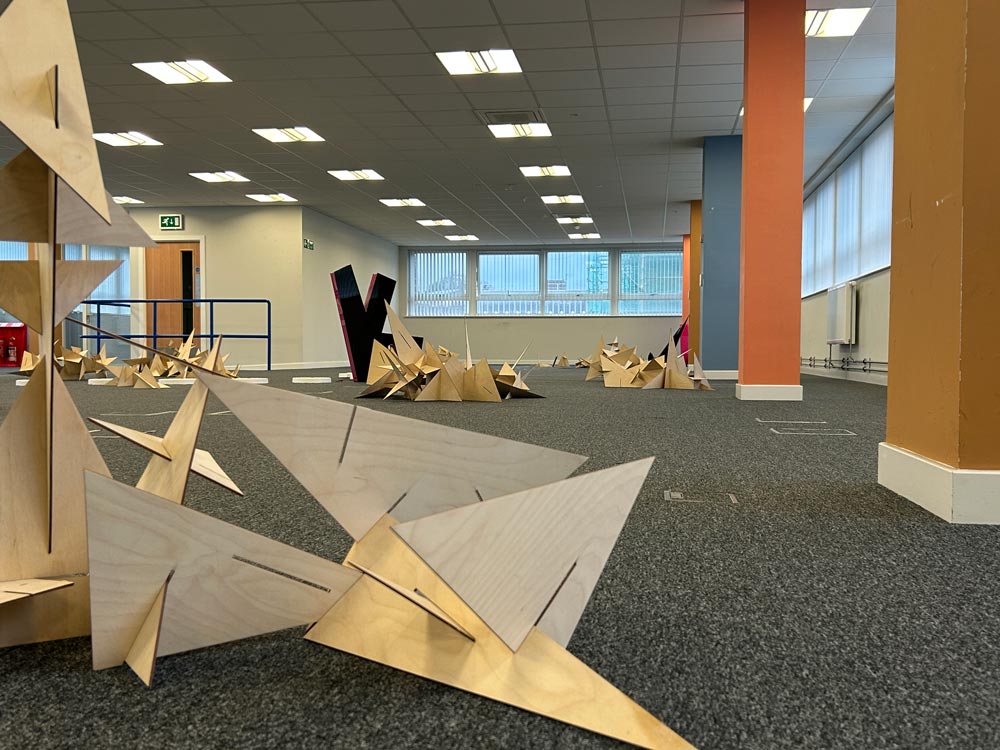
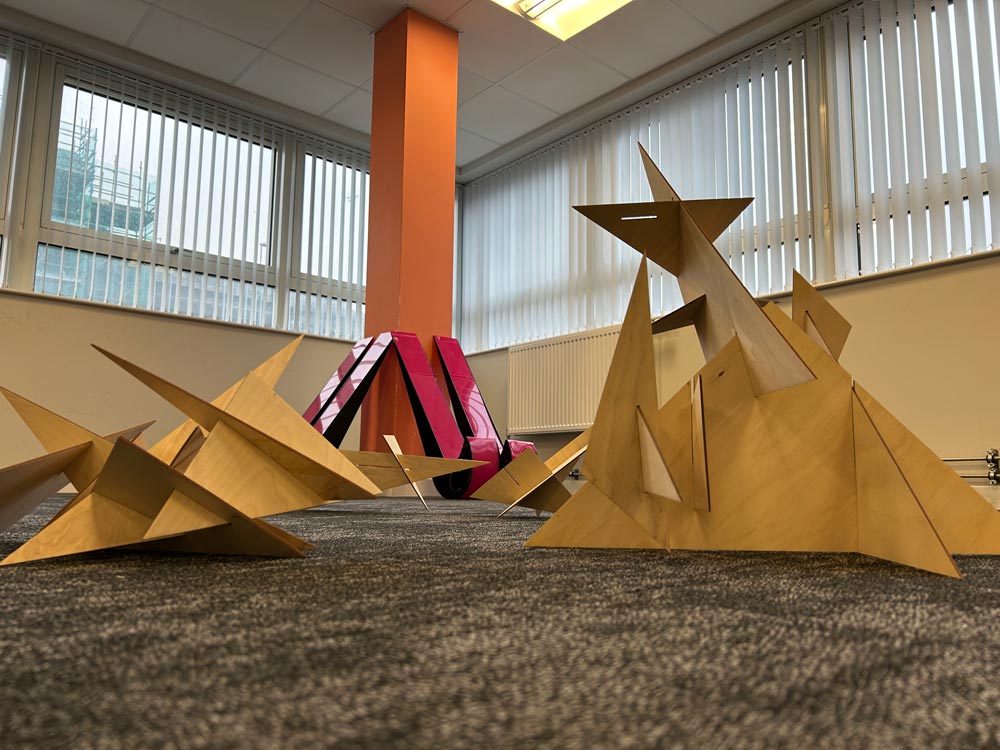
Jamie Cooper and Andrew Welsby worked together again to mark the end of a shared studio residence in Kilmarnock. Fittingly, and with more than just a sliver of irony, the artists occupied a former DSS building in a concrete block shopping center situated in the town center of this Glasgow suburb.
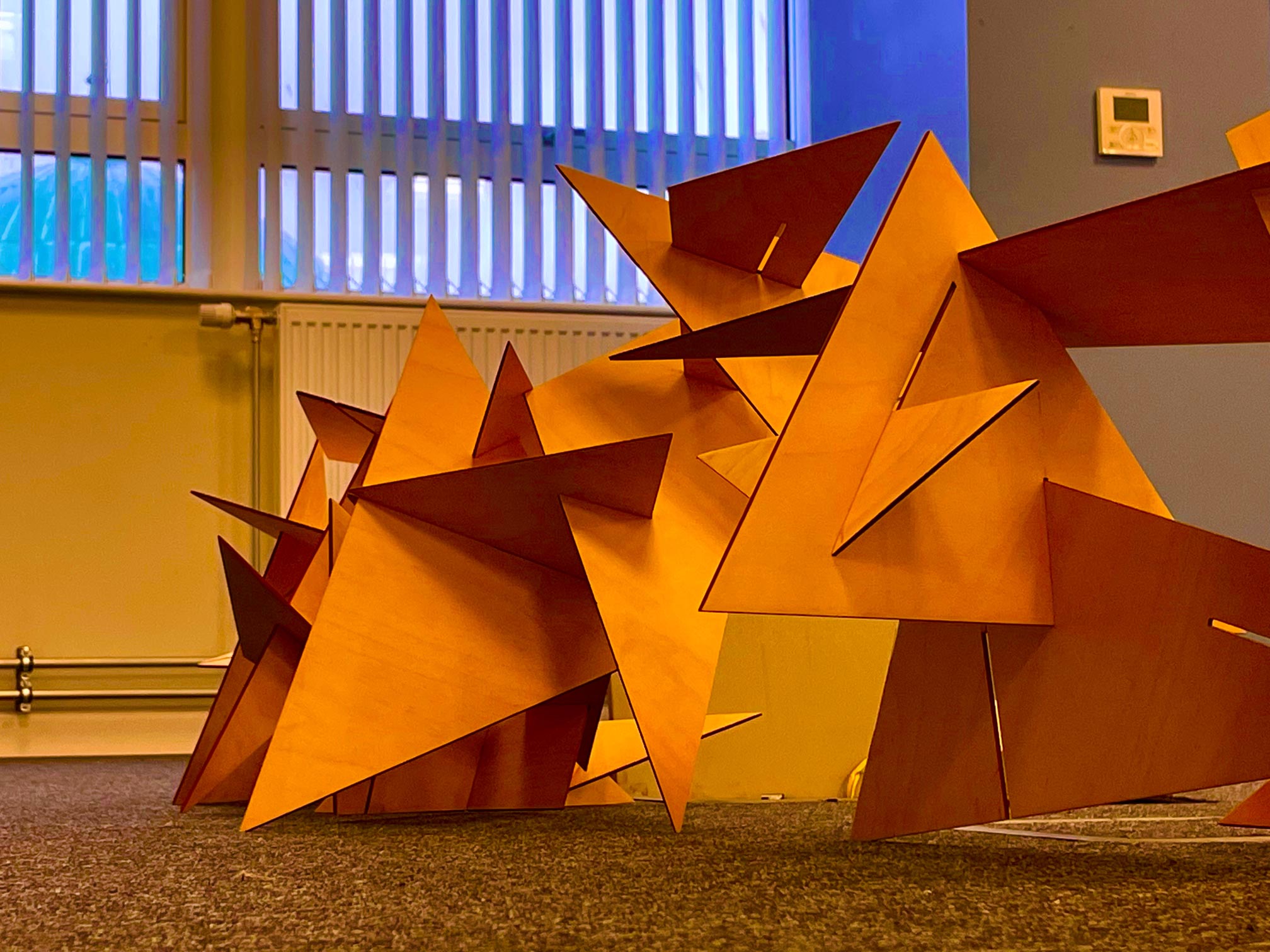
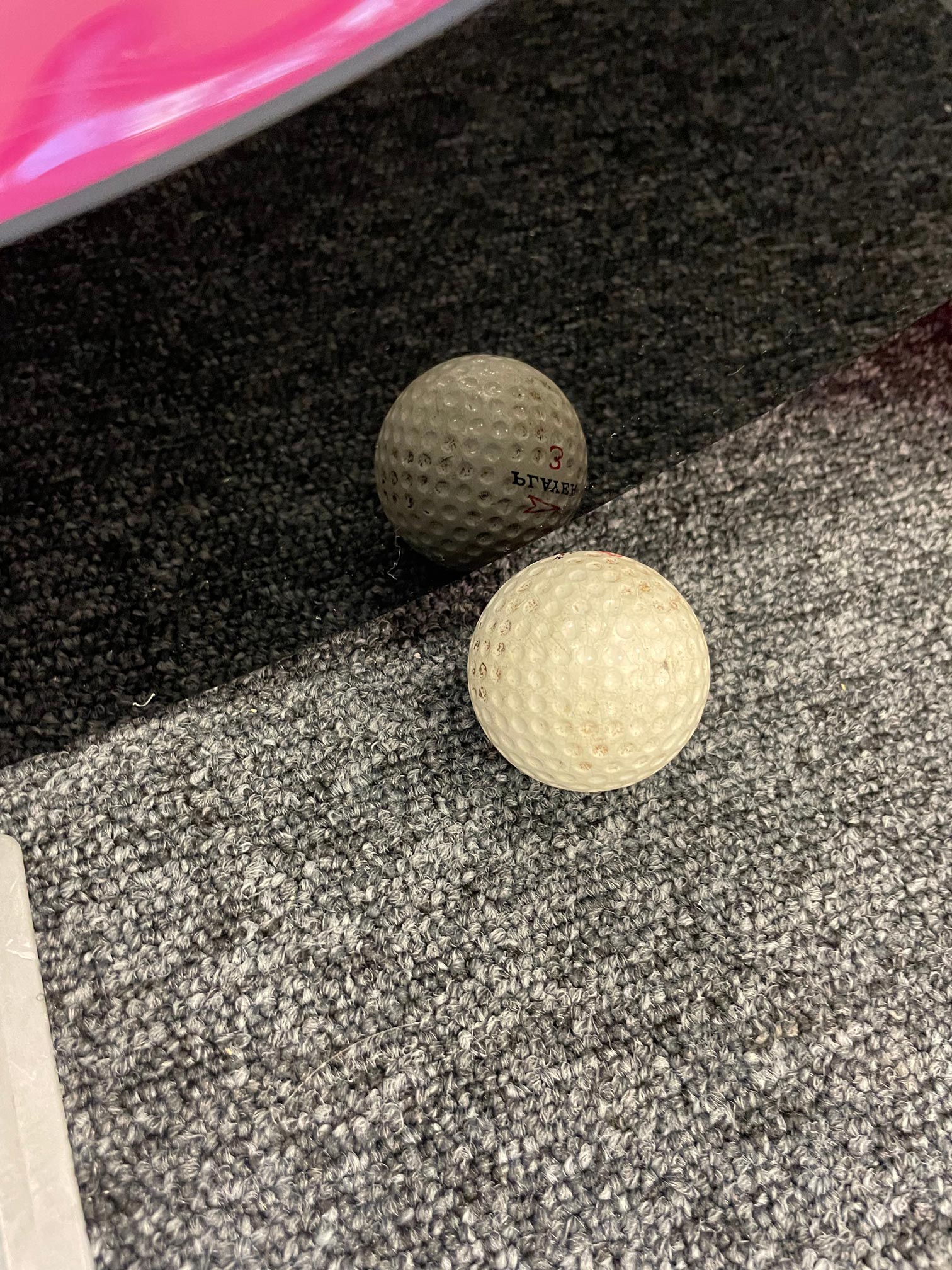
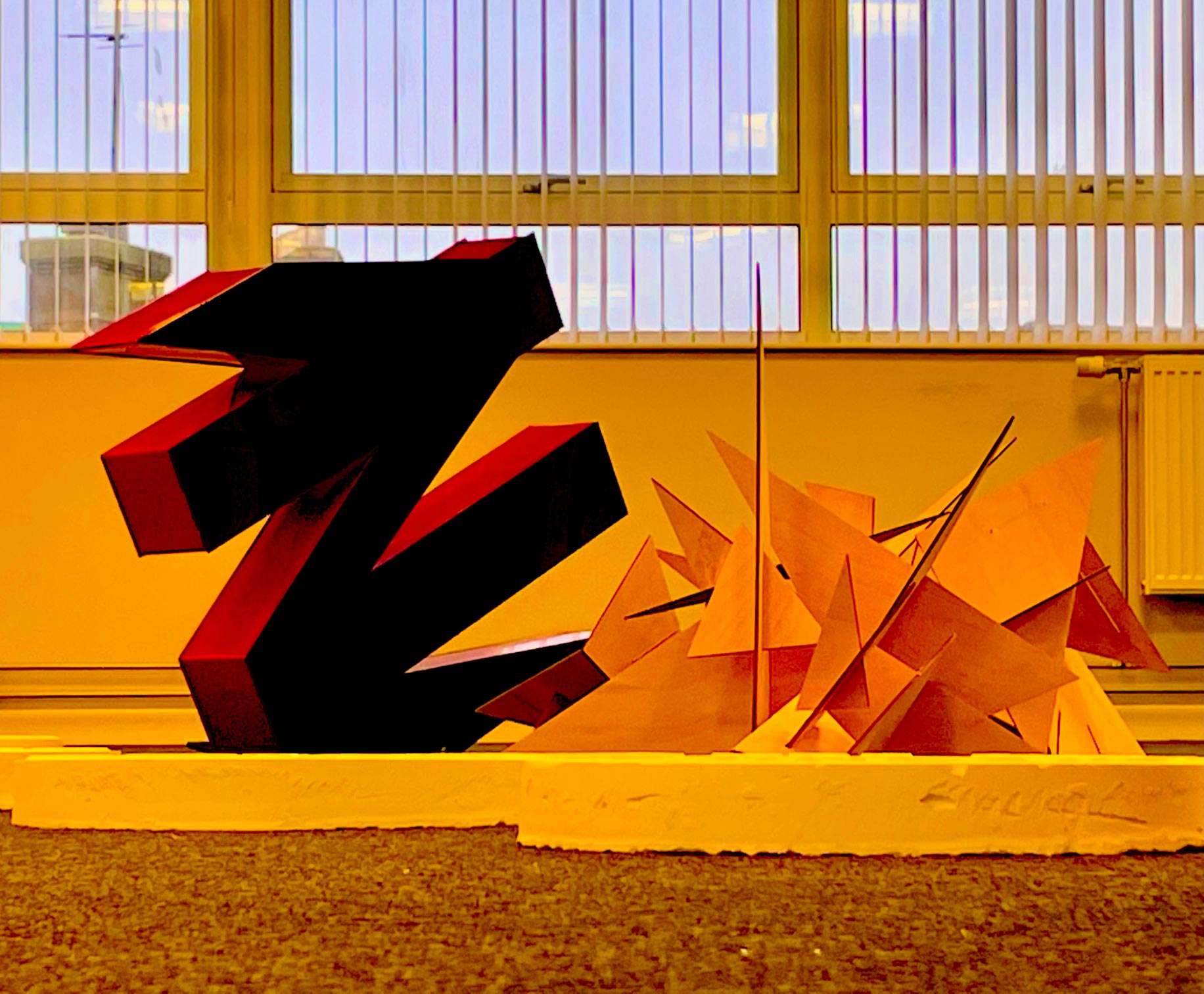
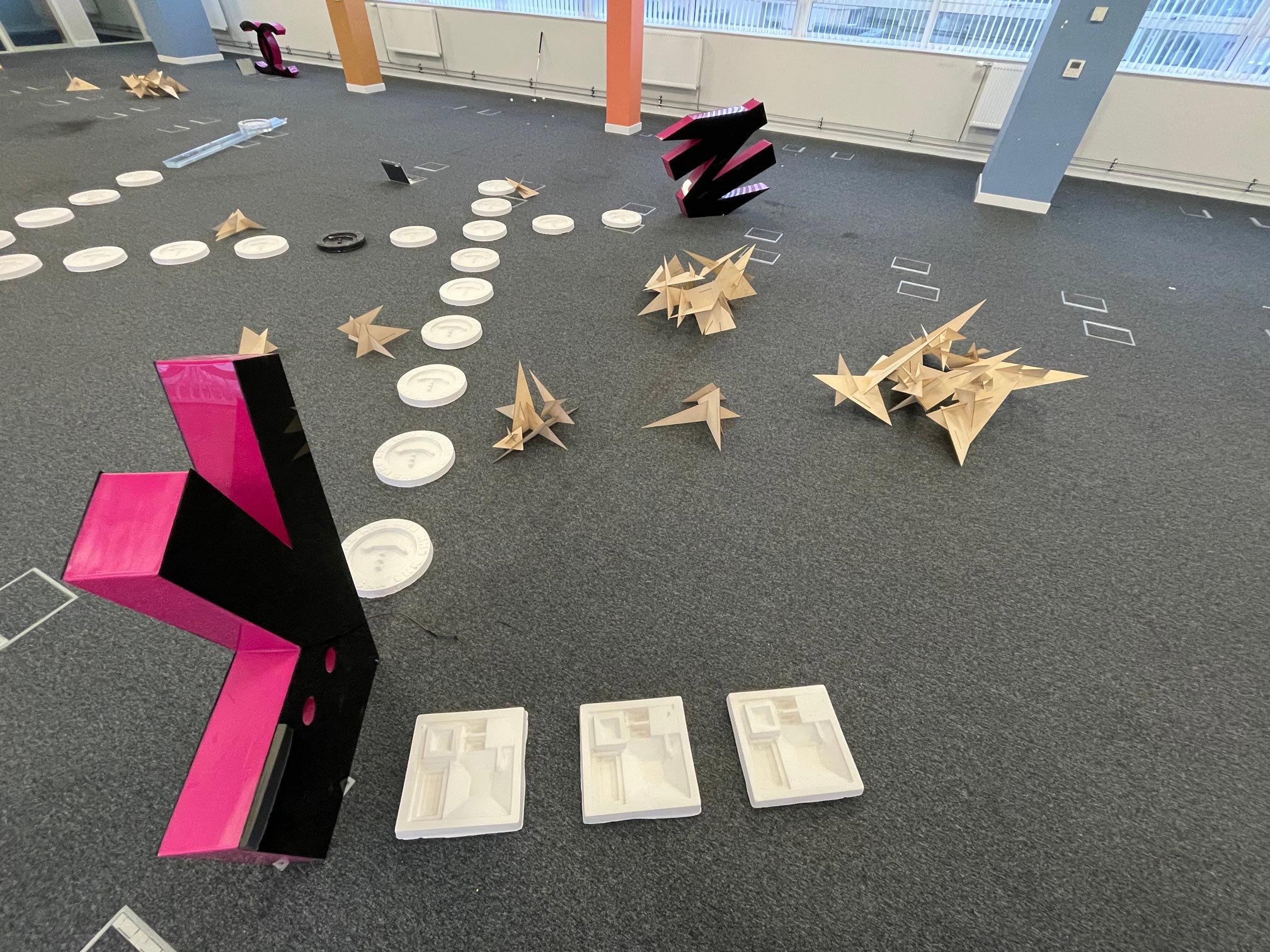
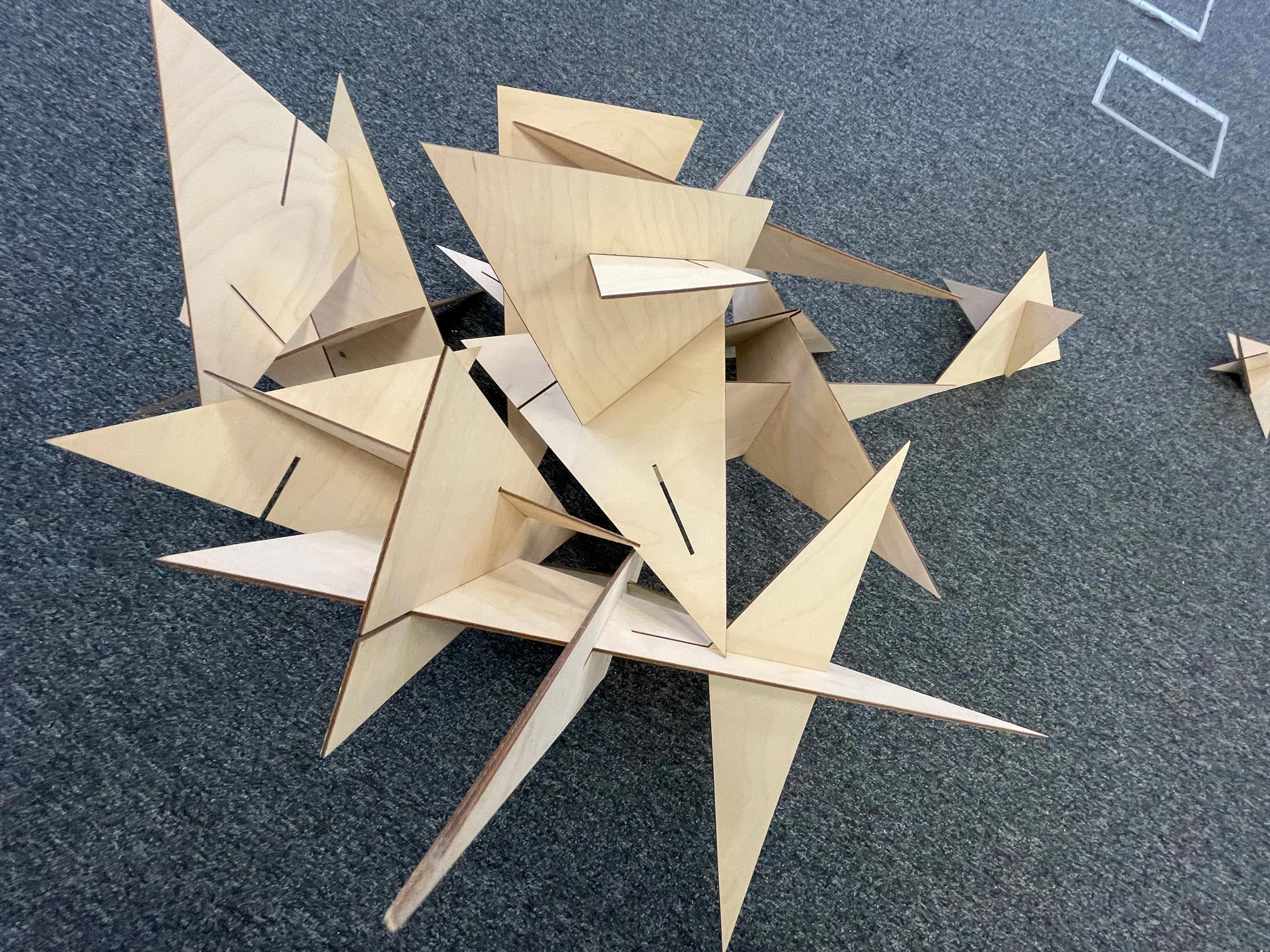
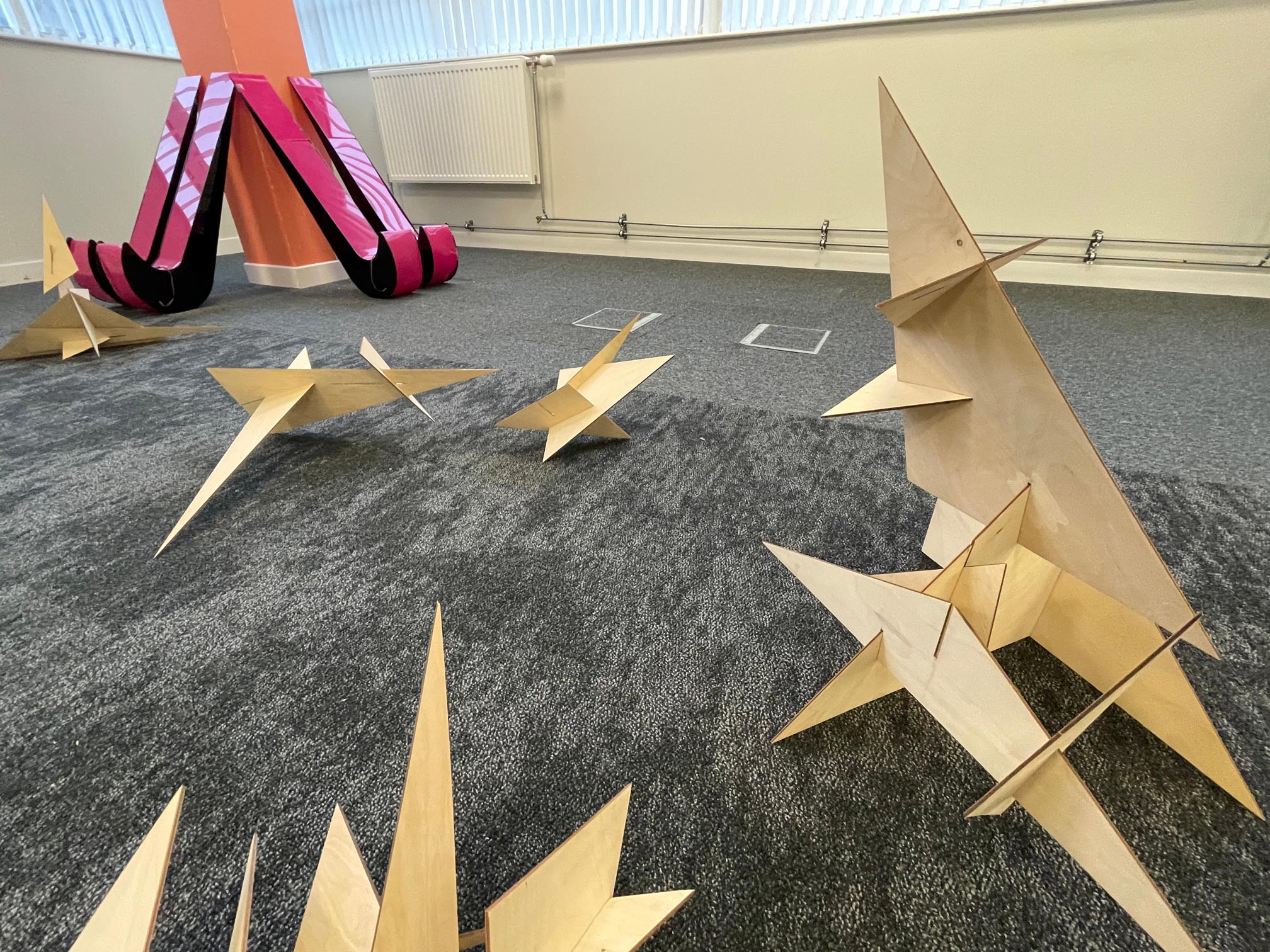
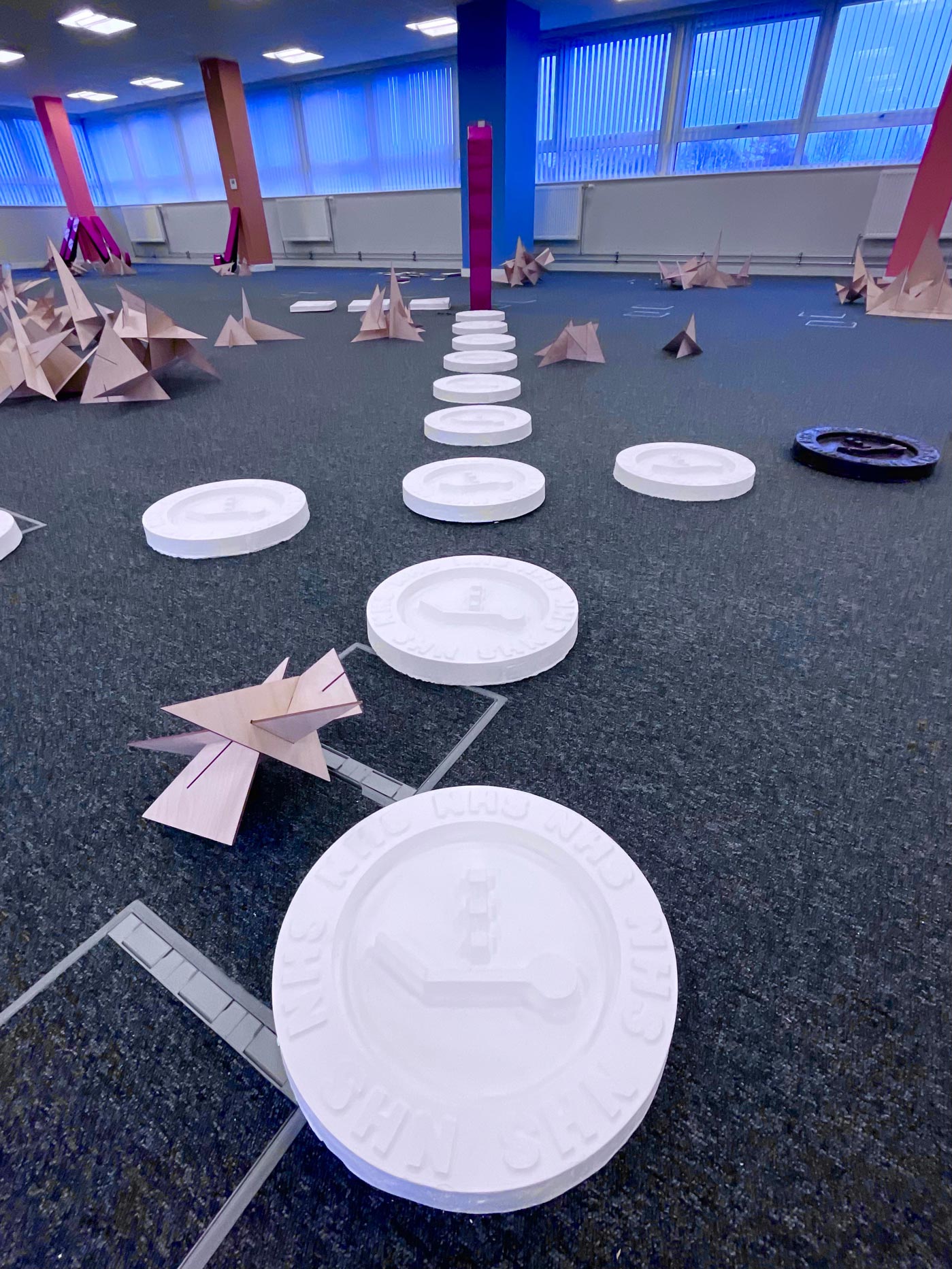
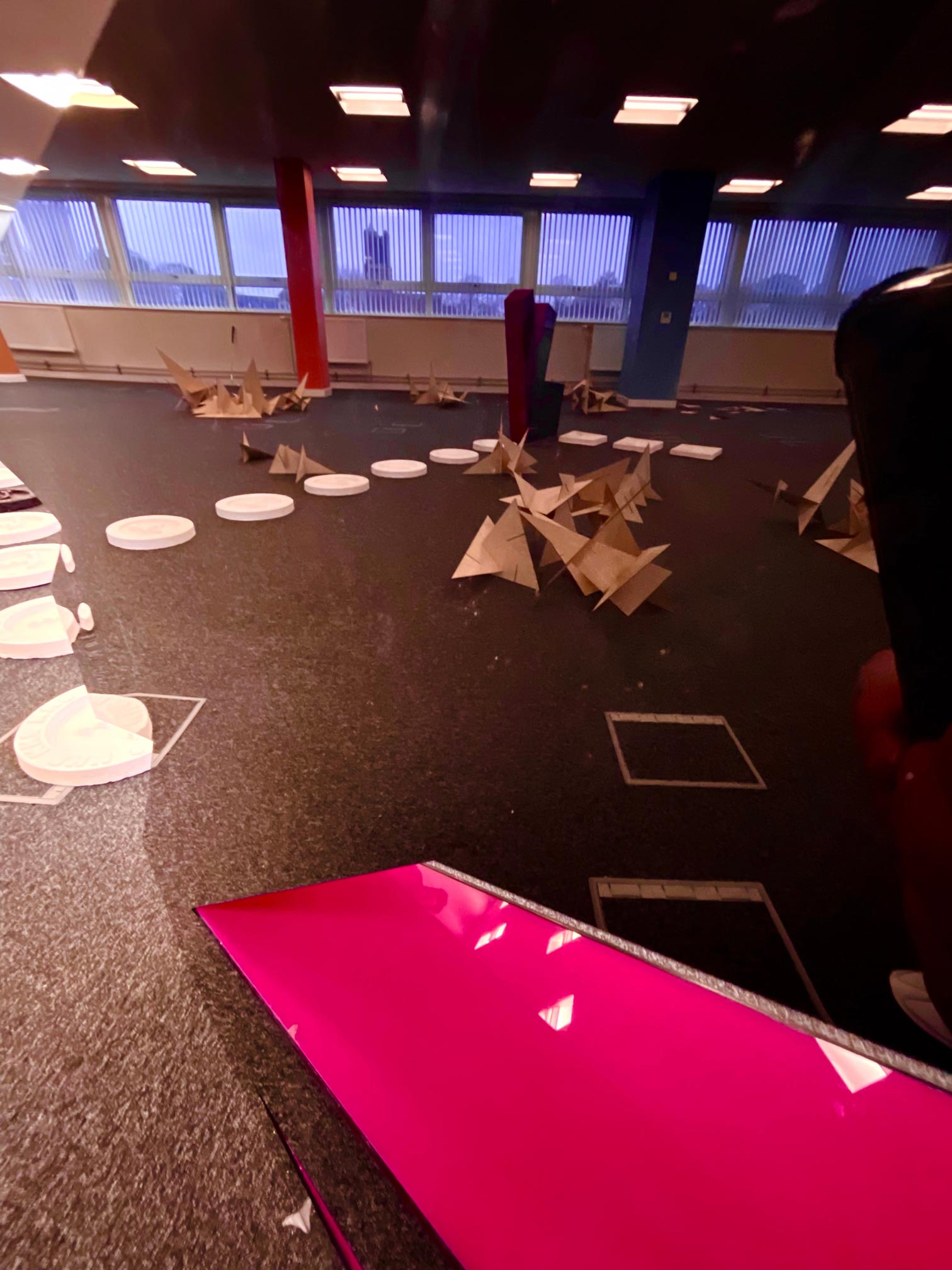
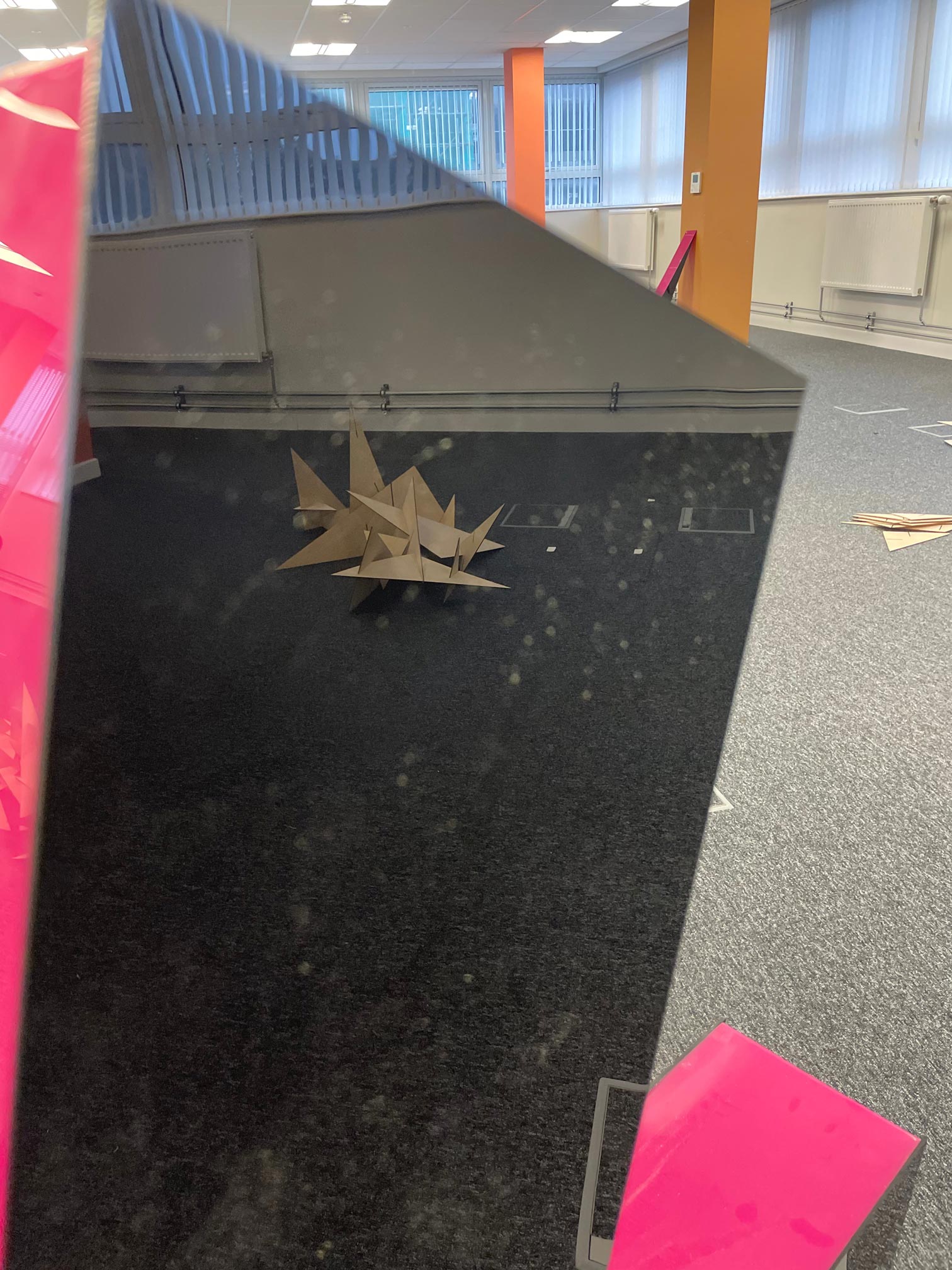
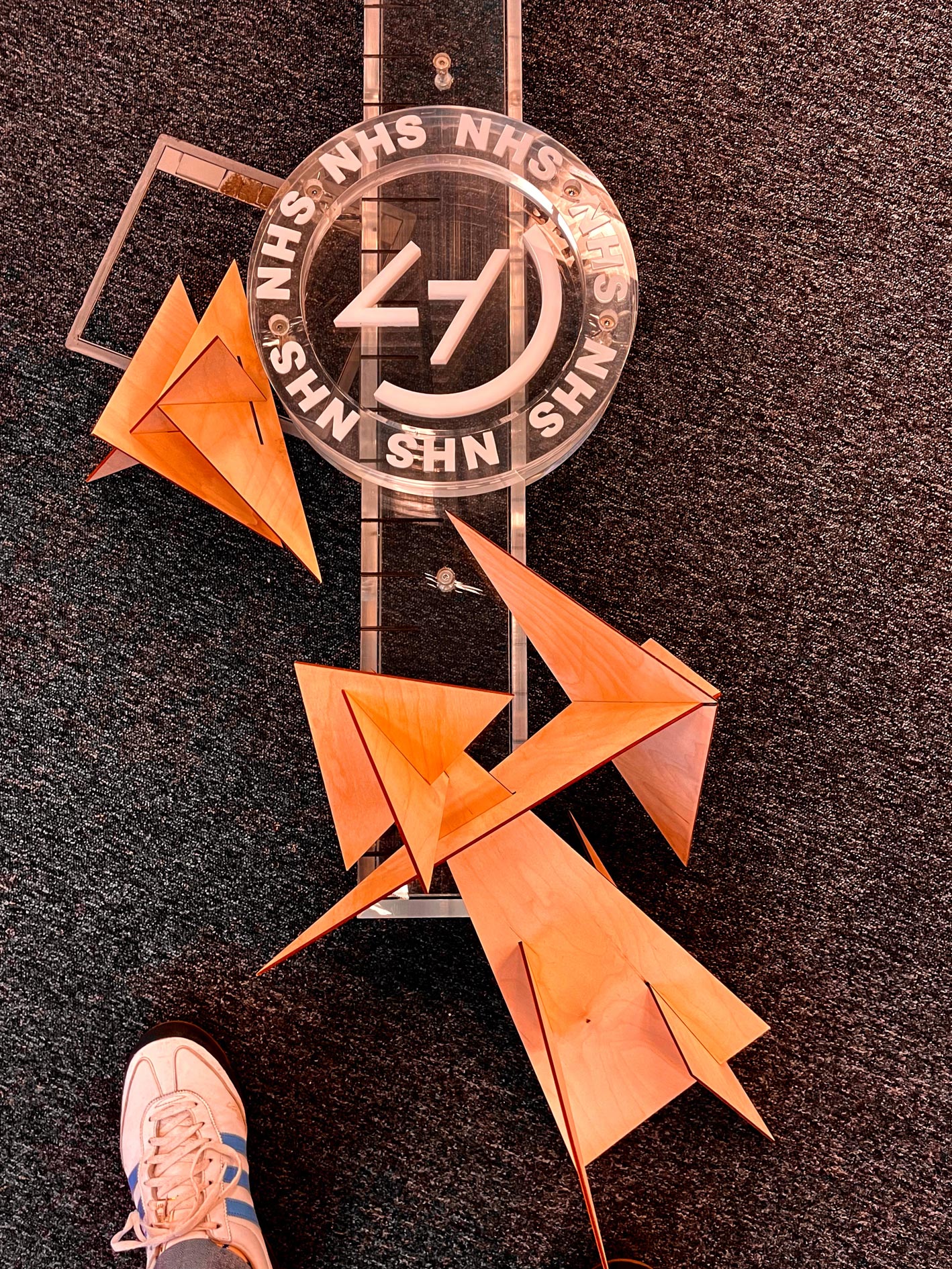
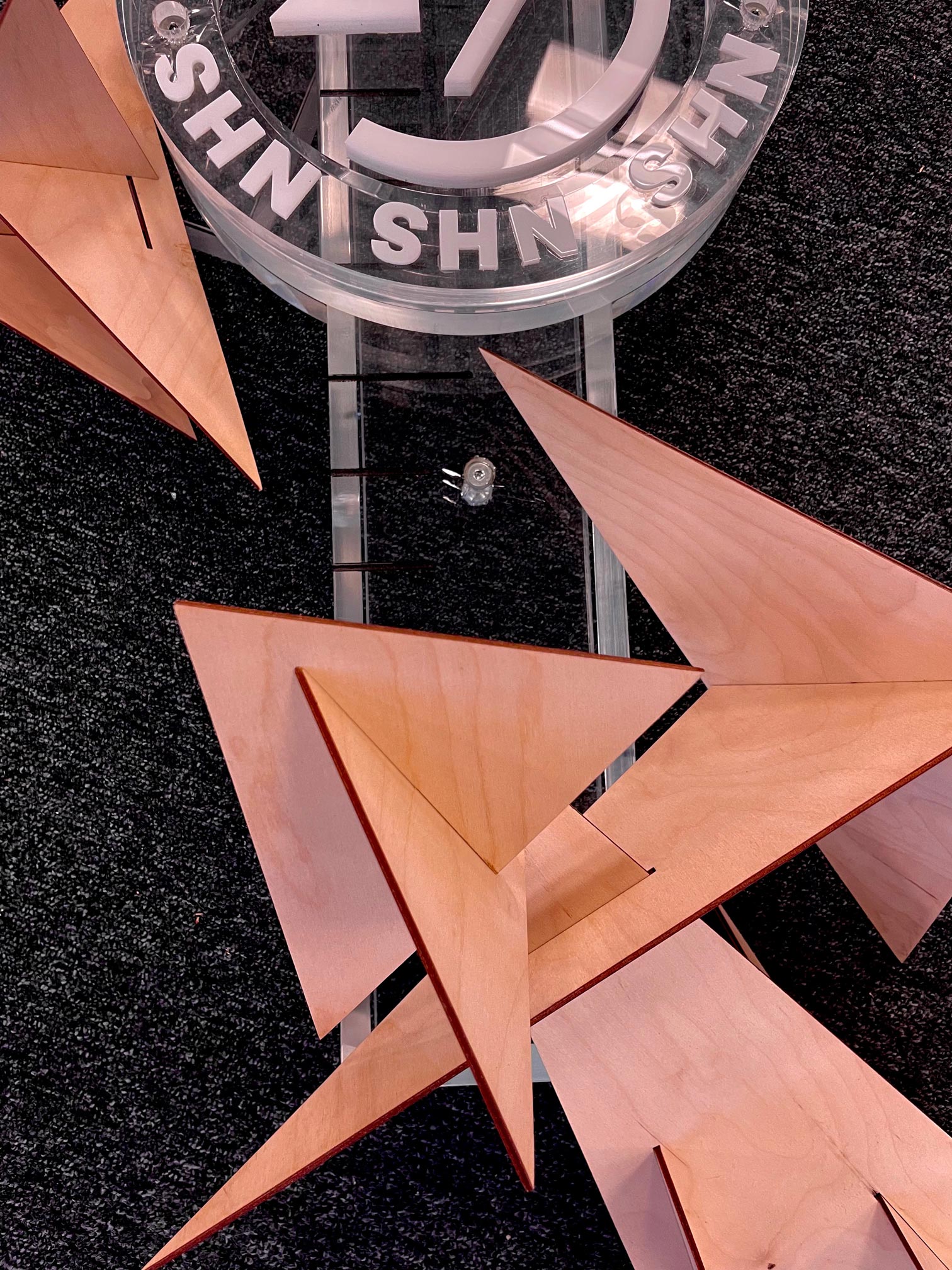
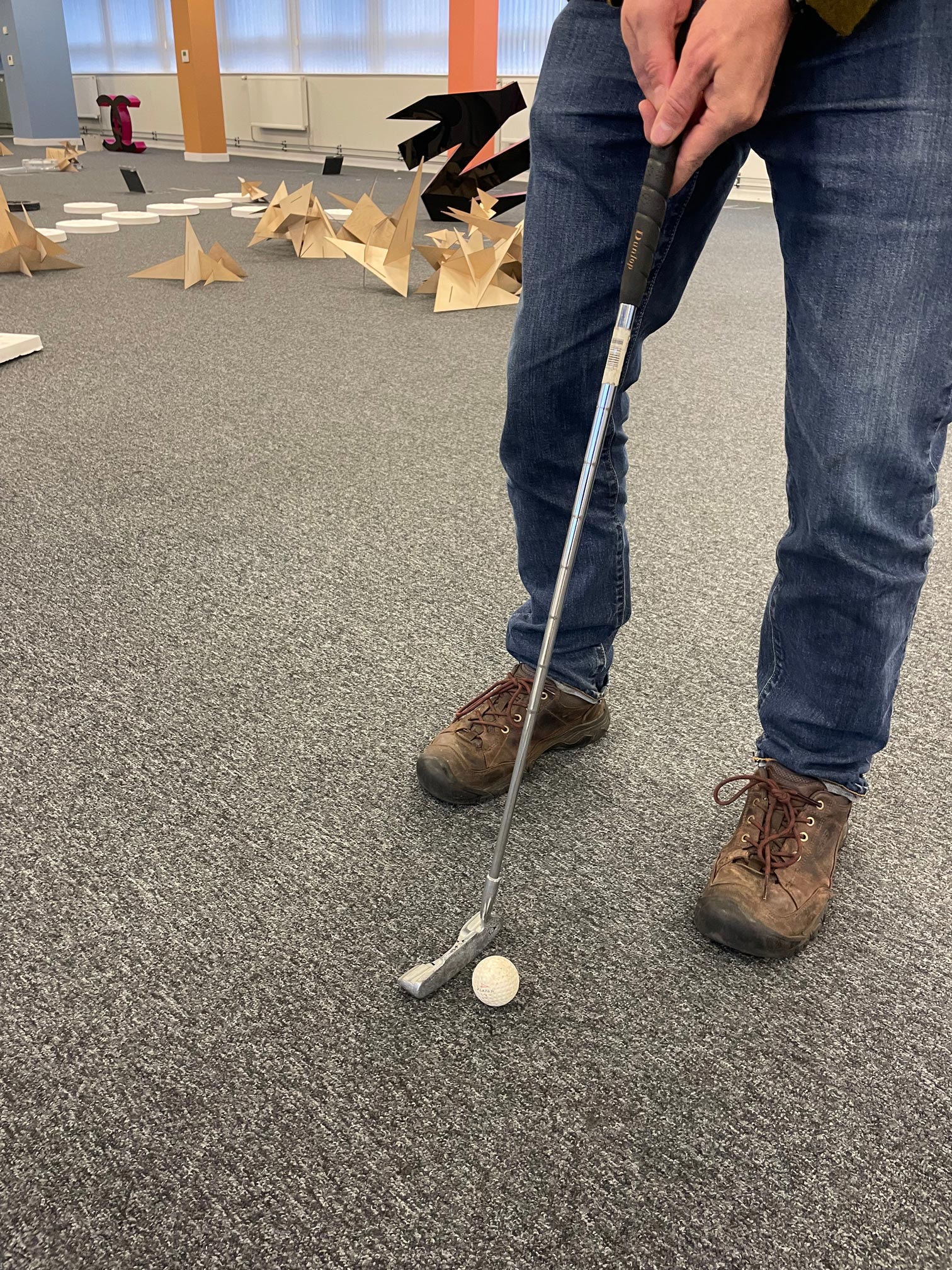
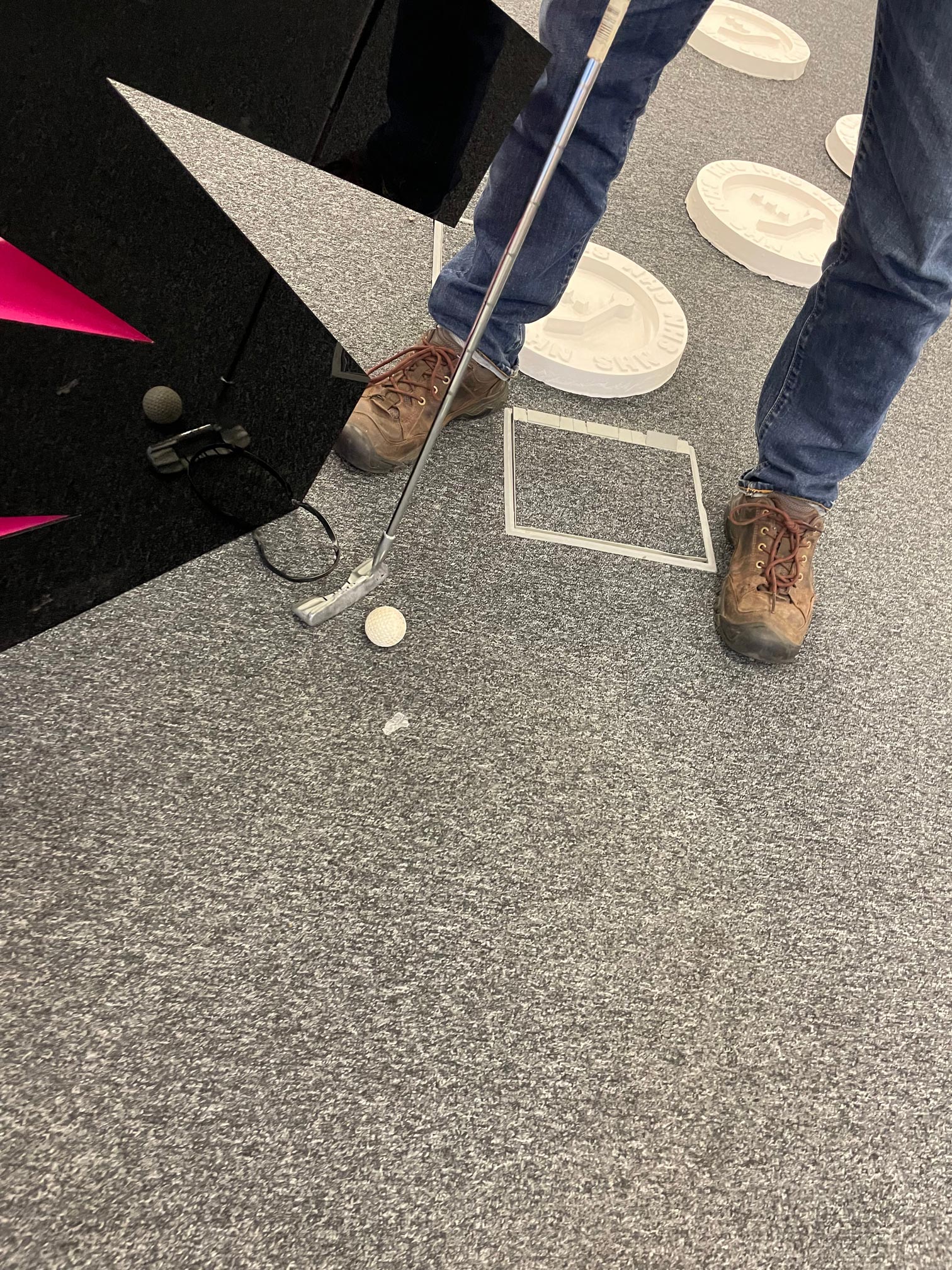
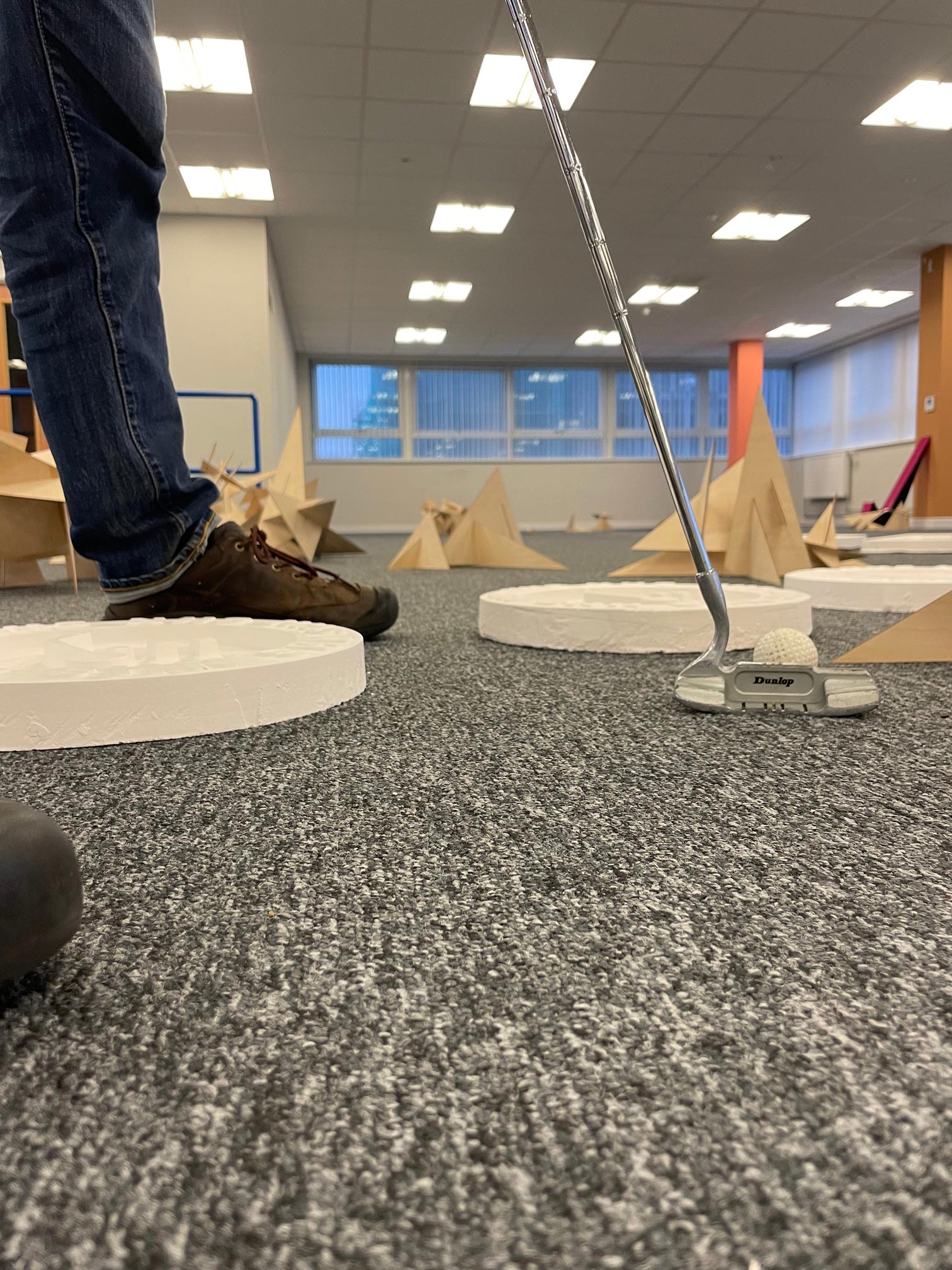
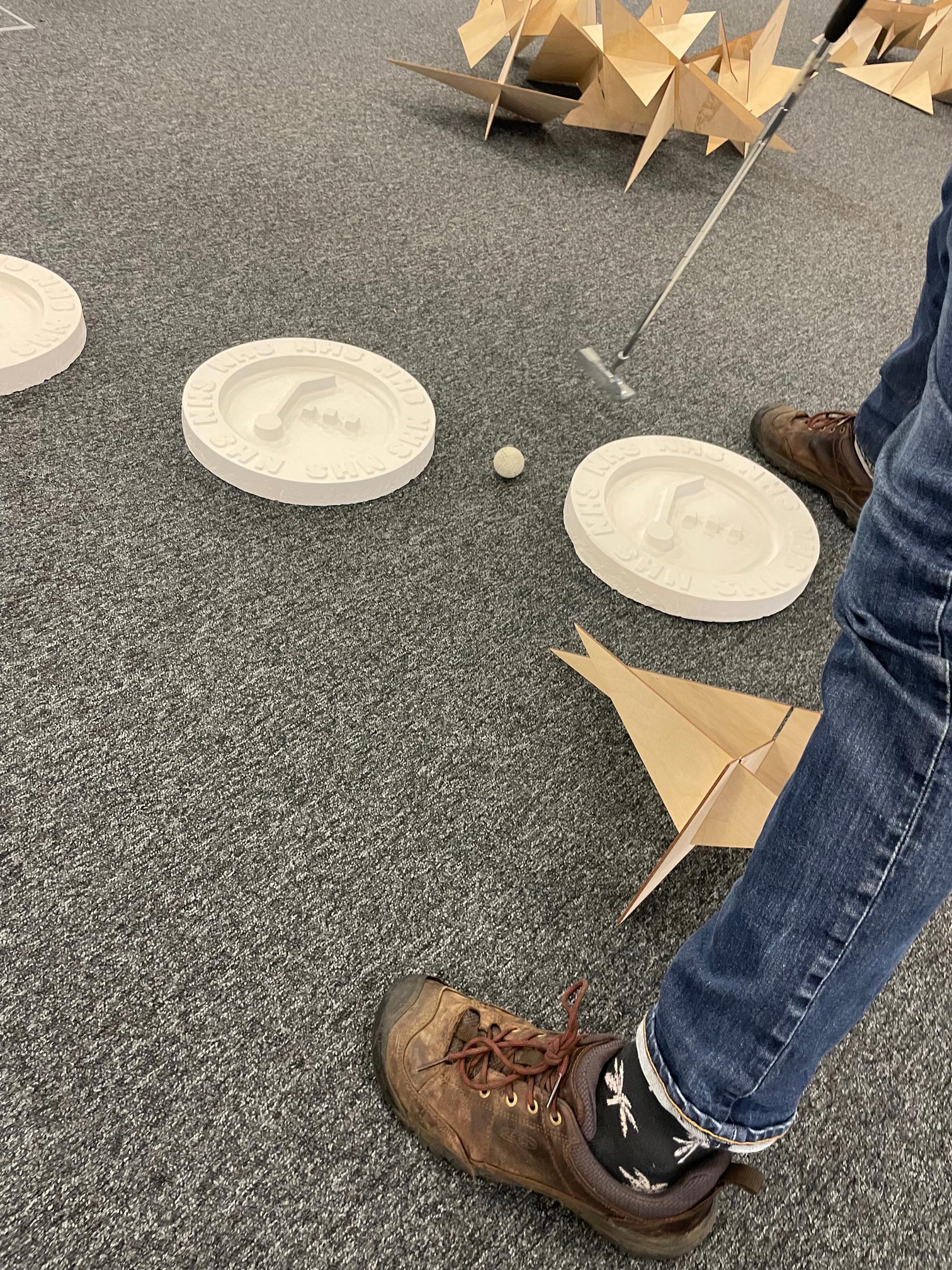
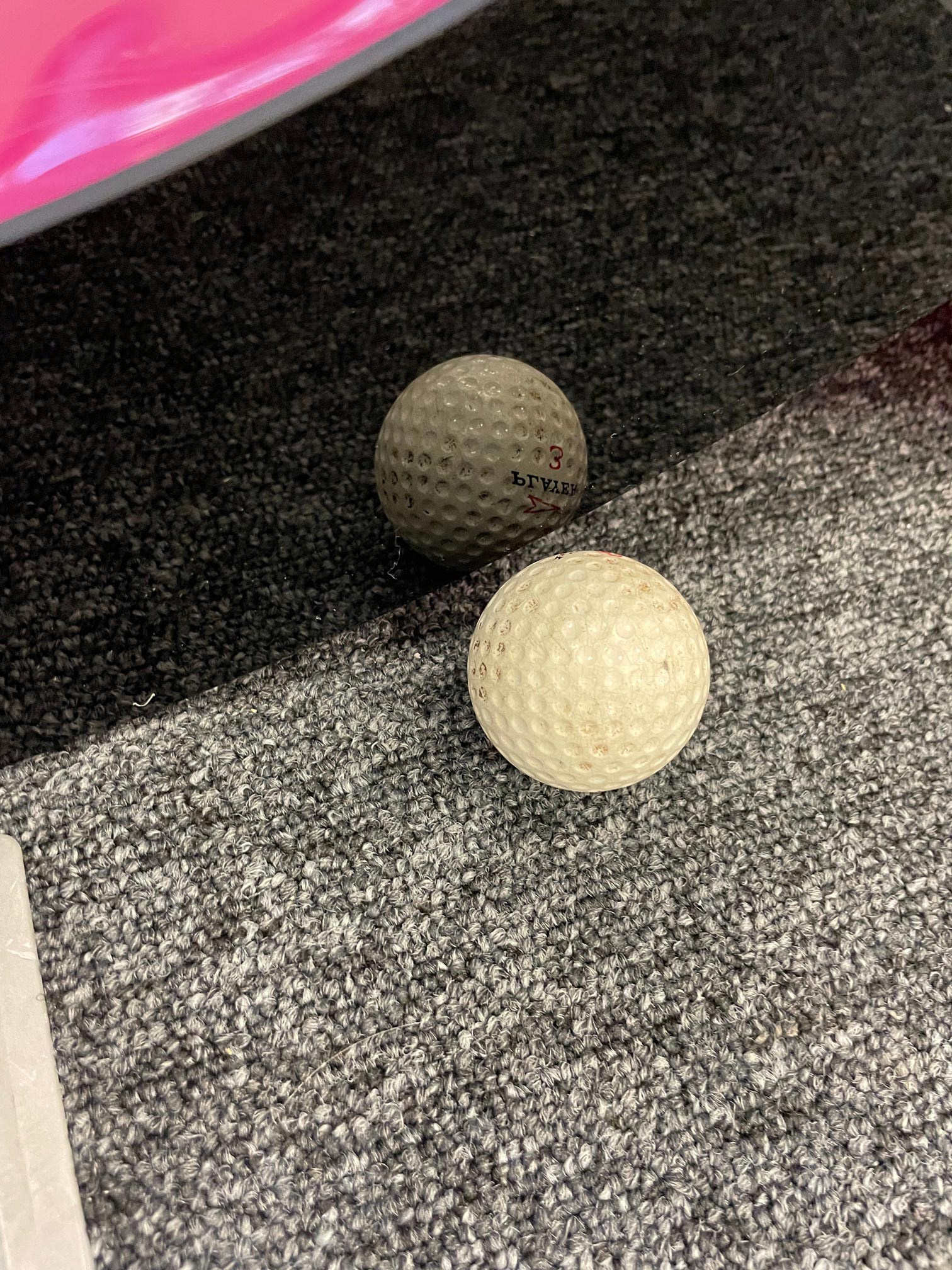
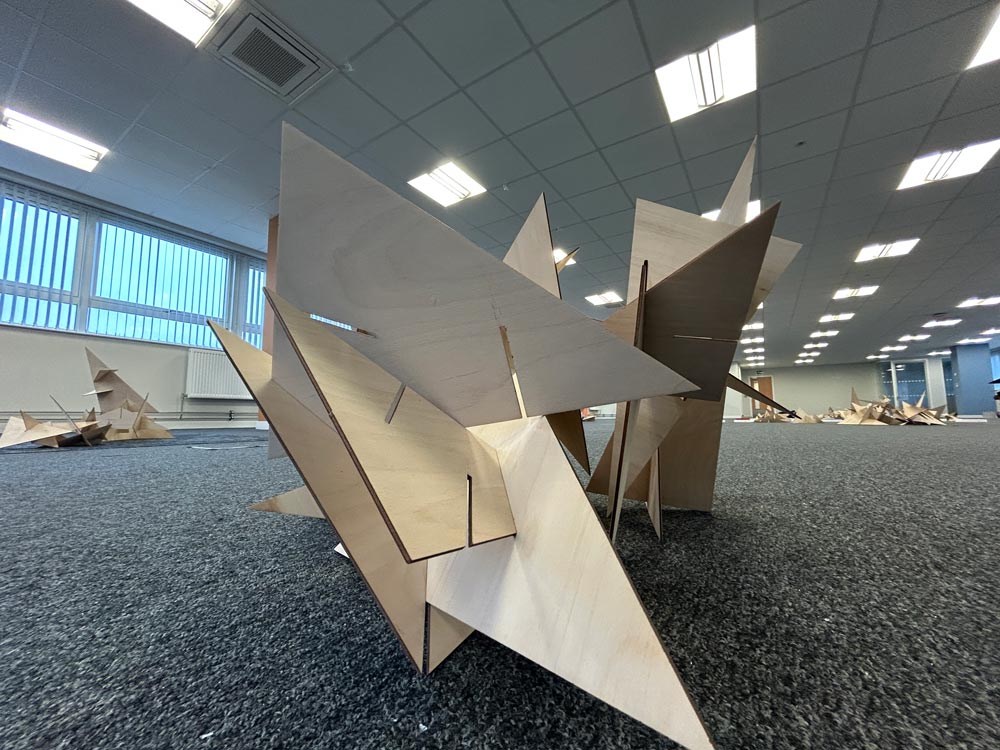
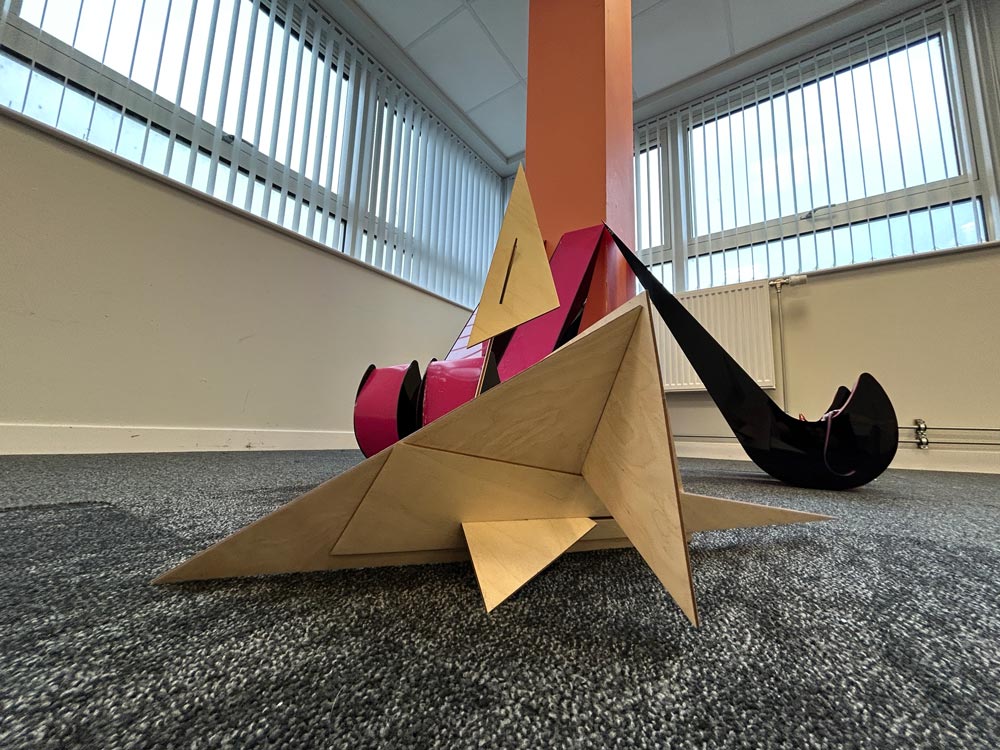
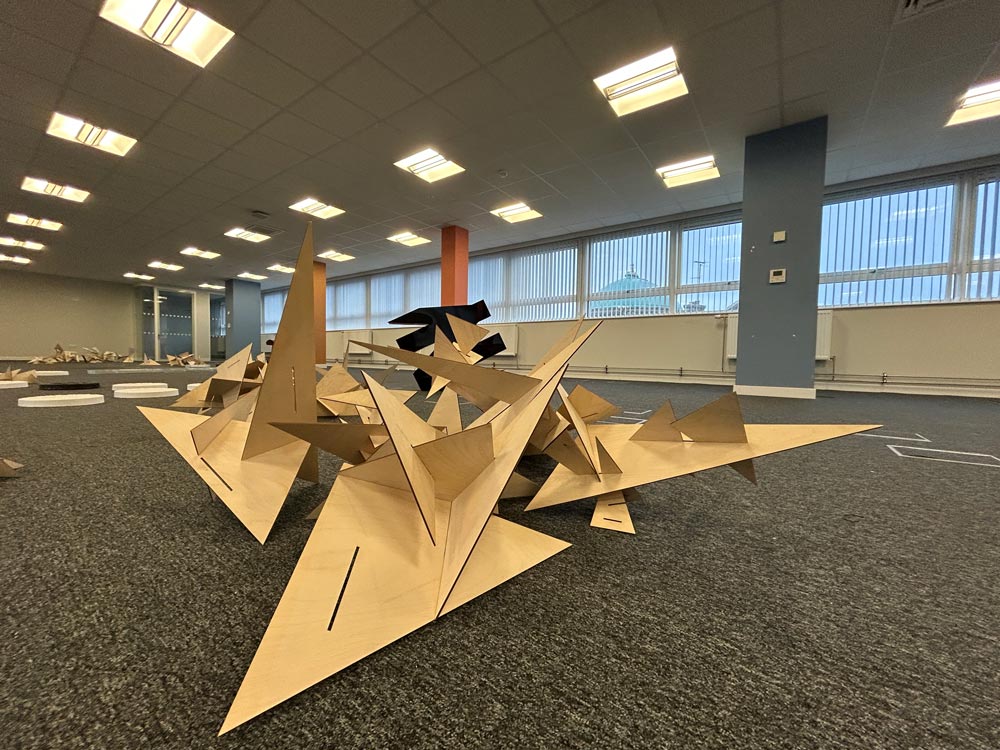
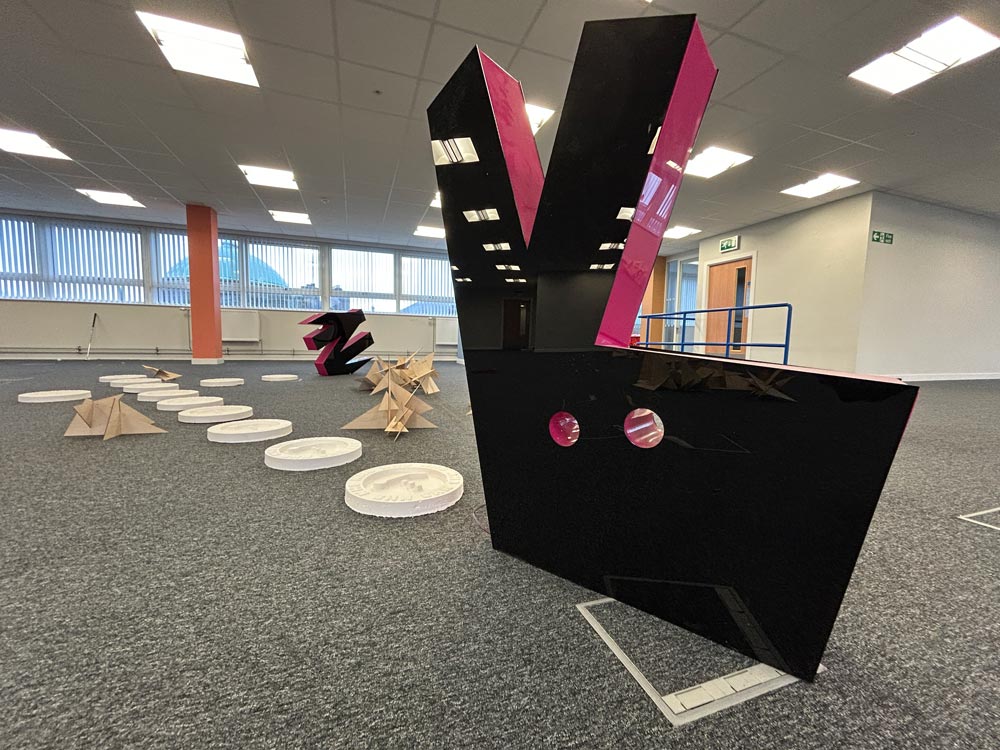
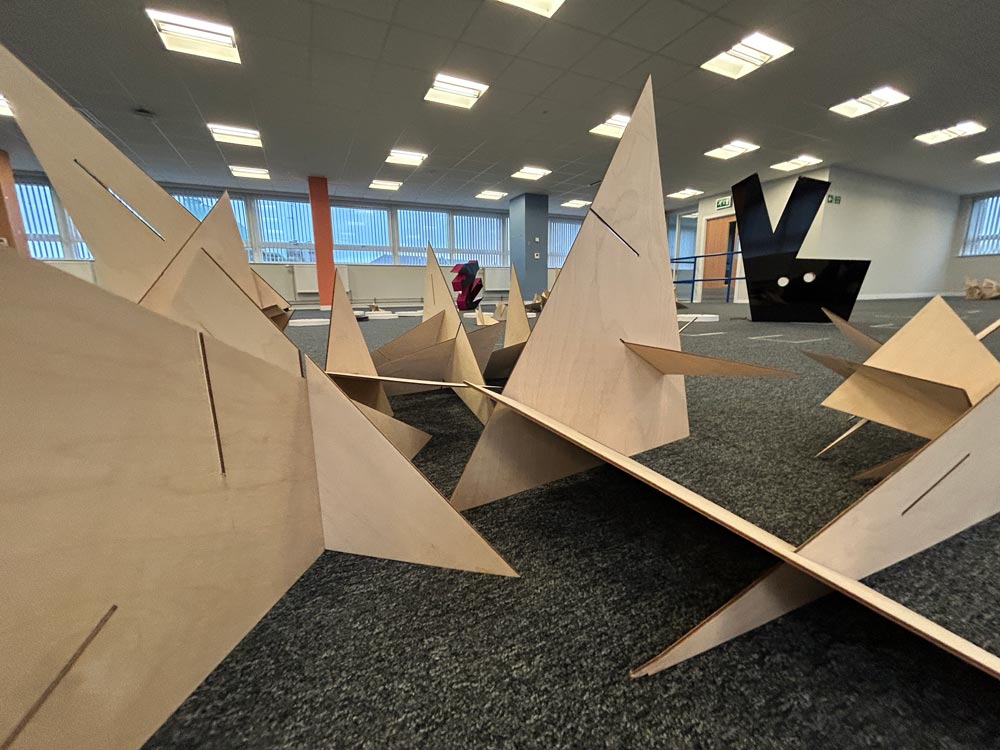
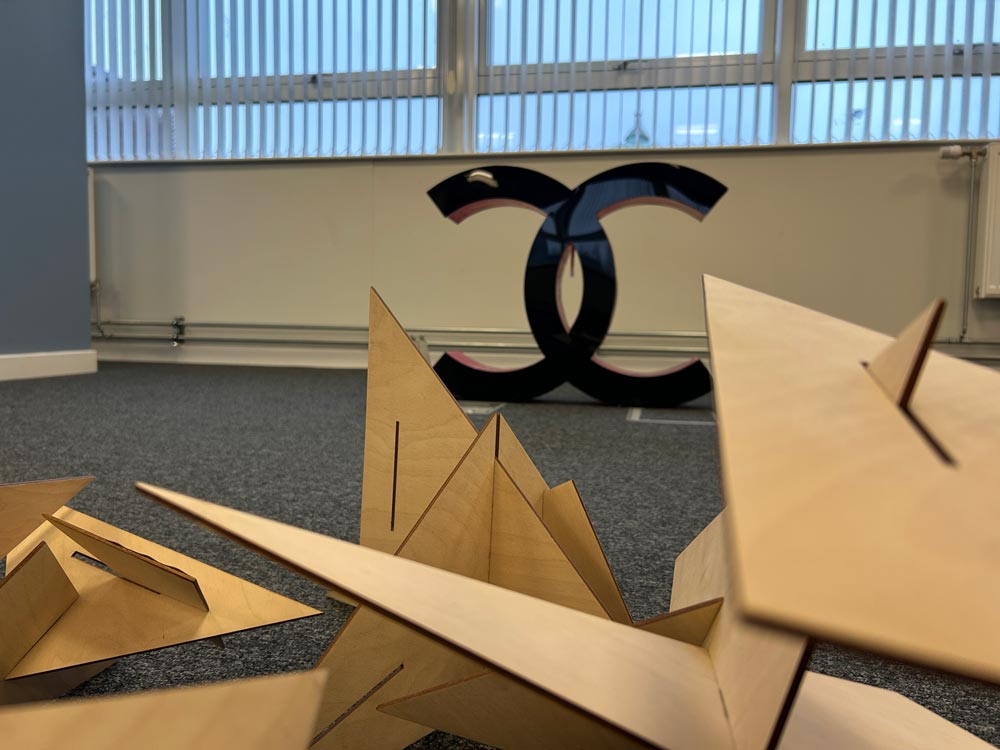
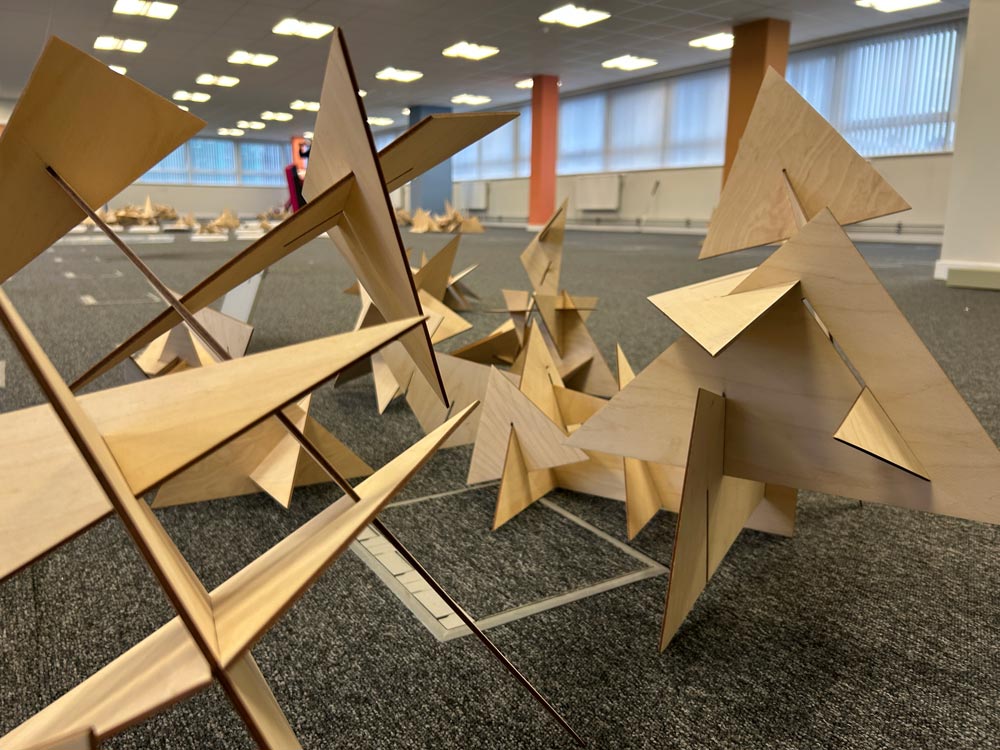
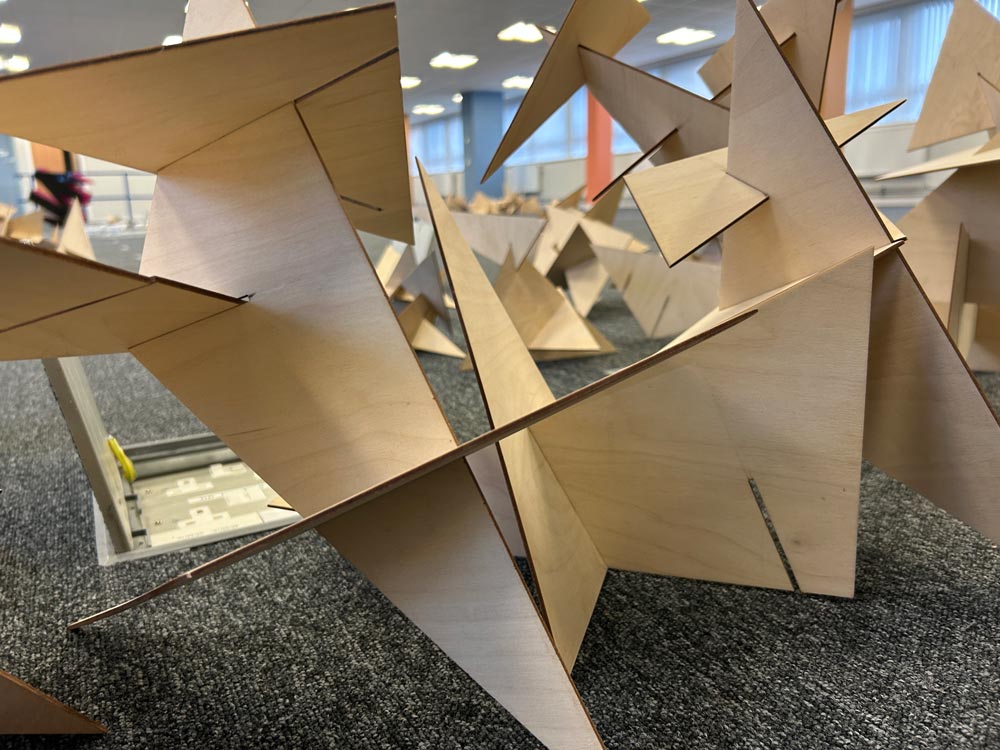
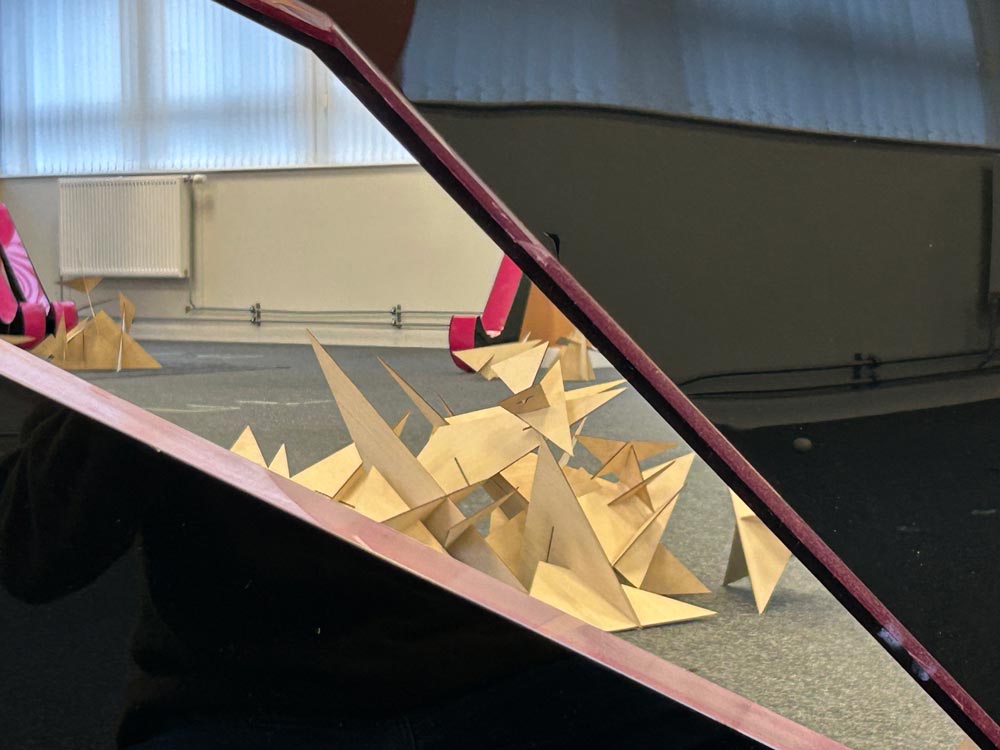
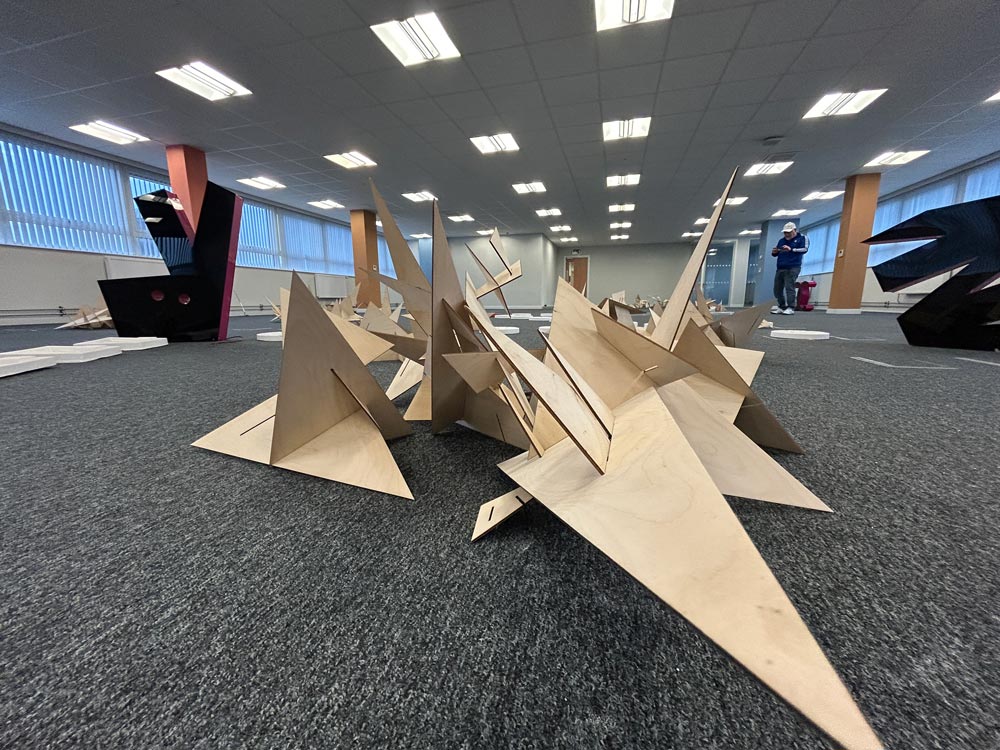
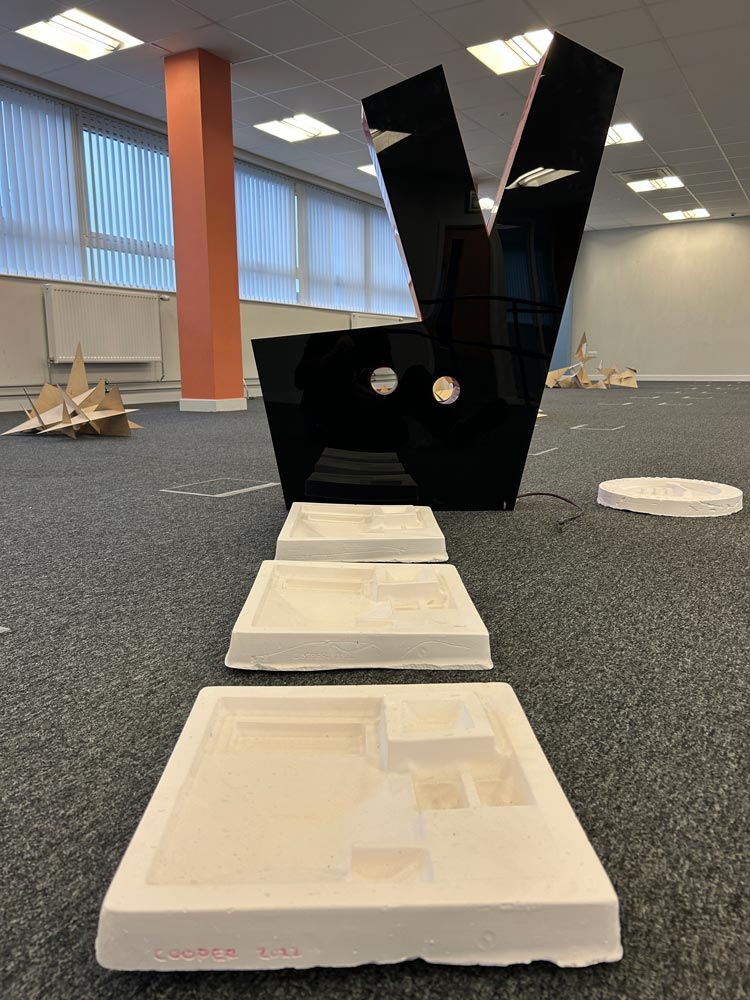
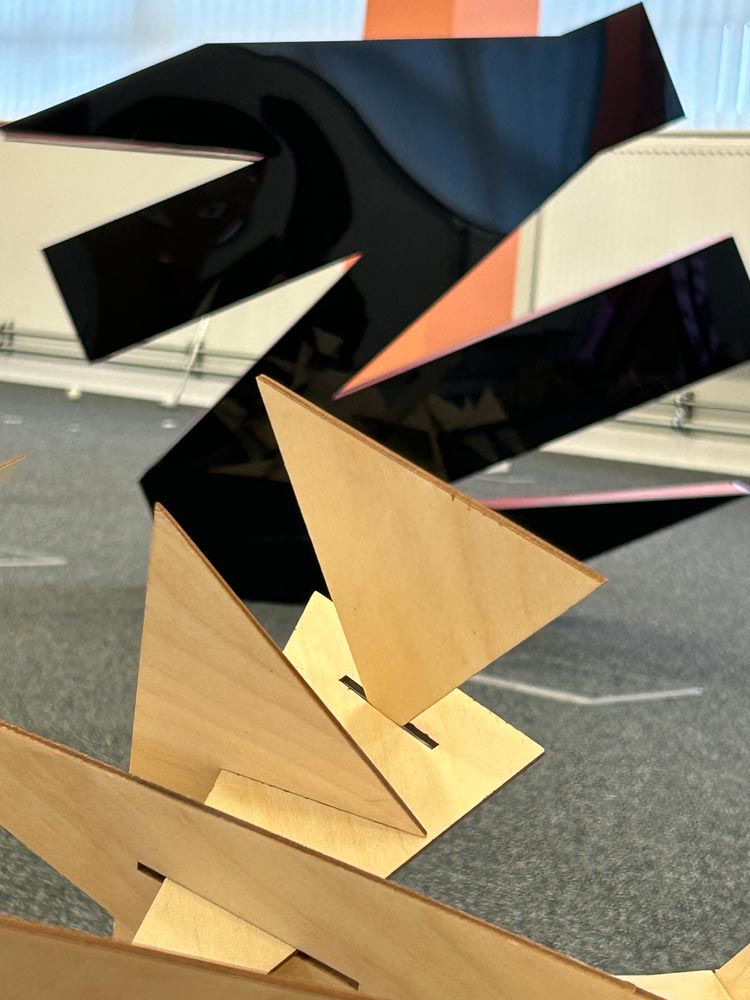
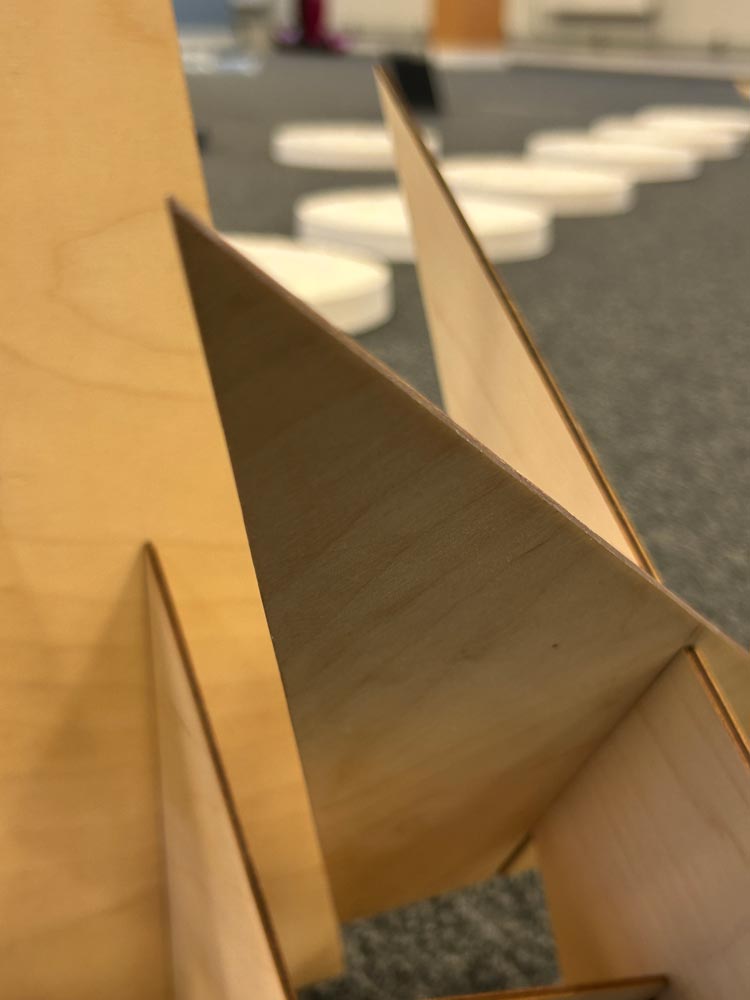
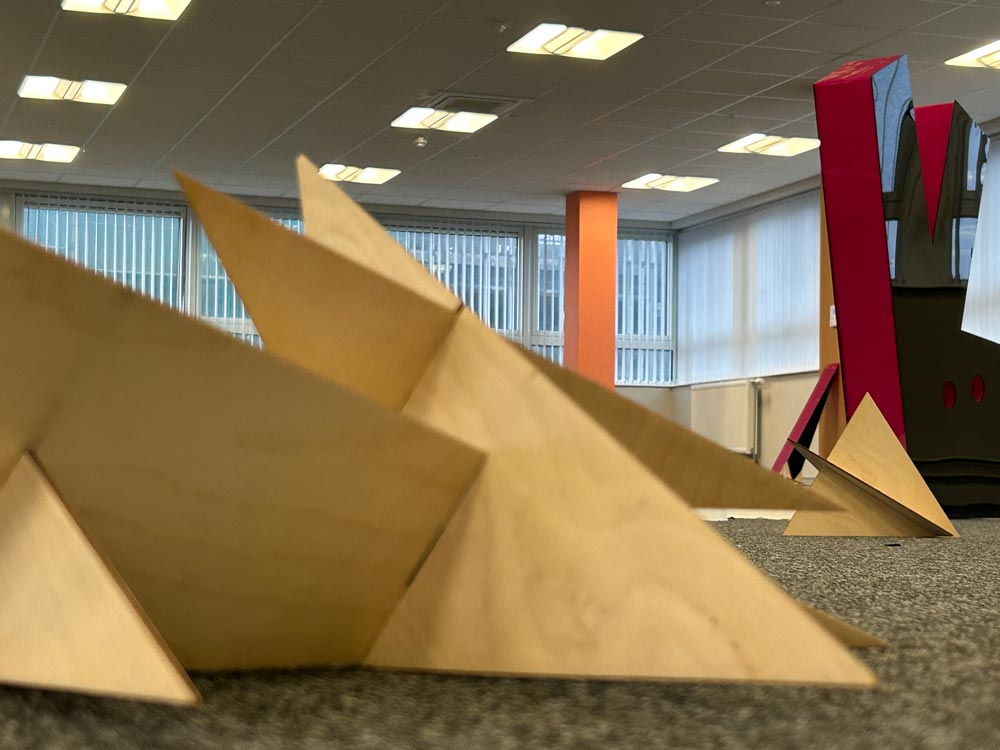
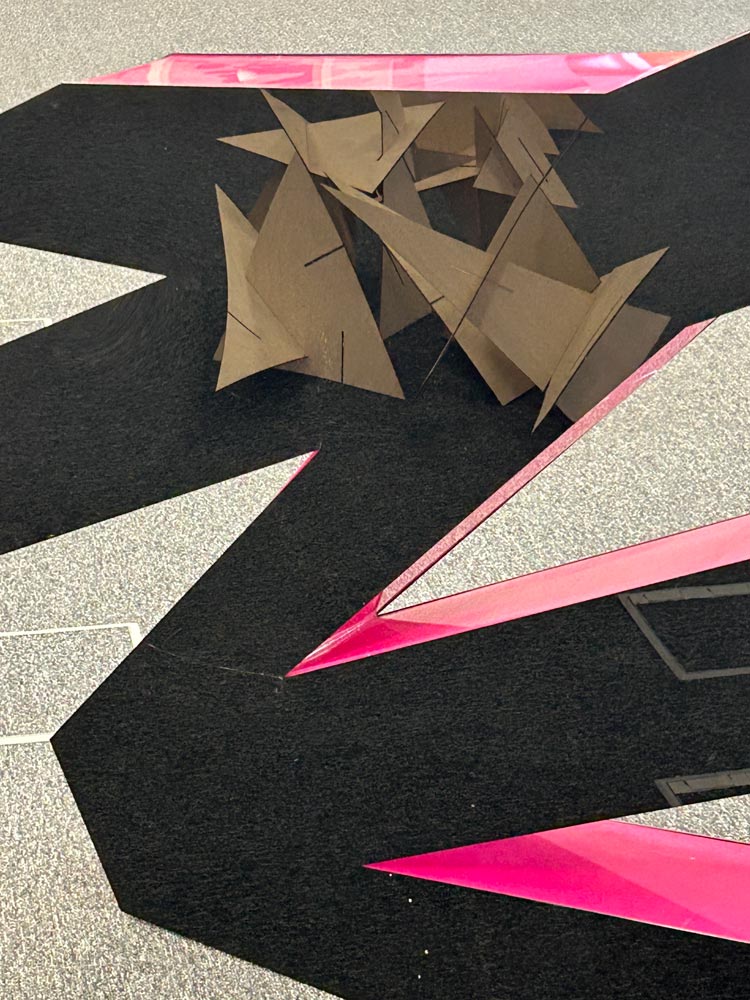
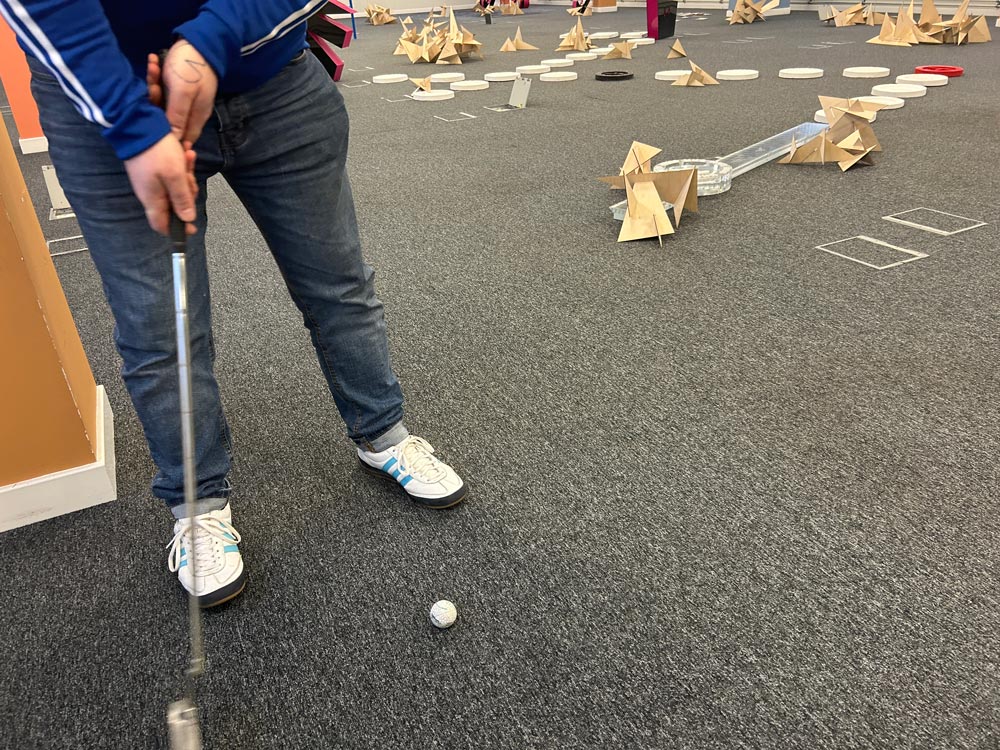
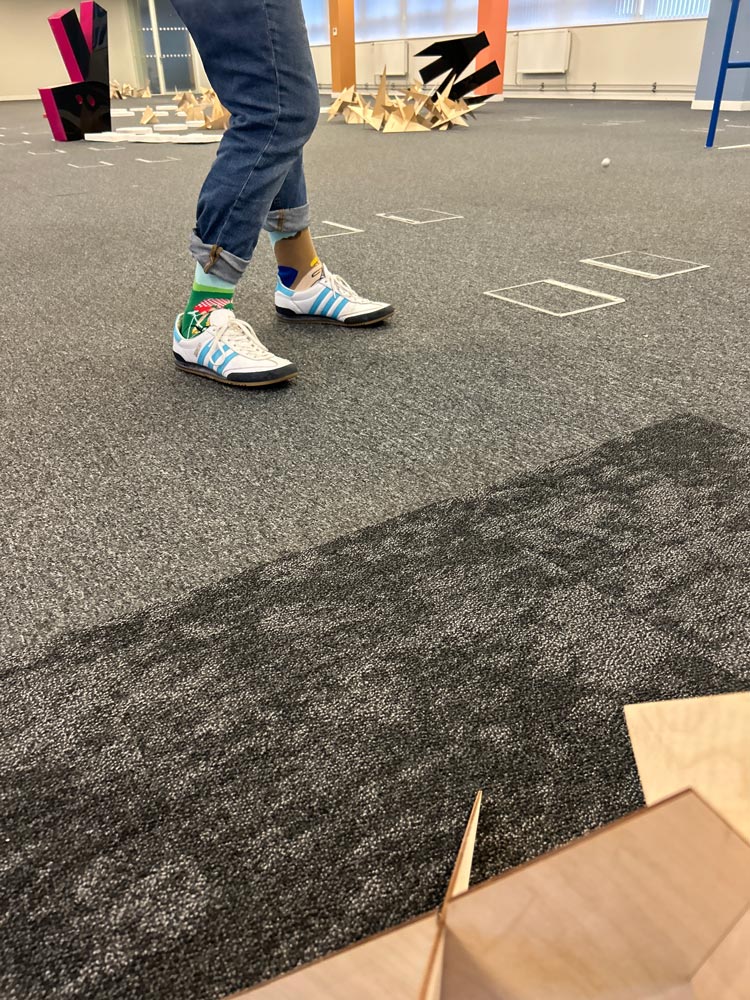
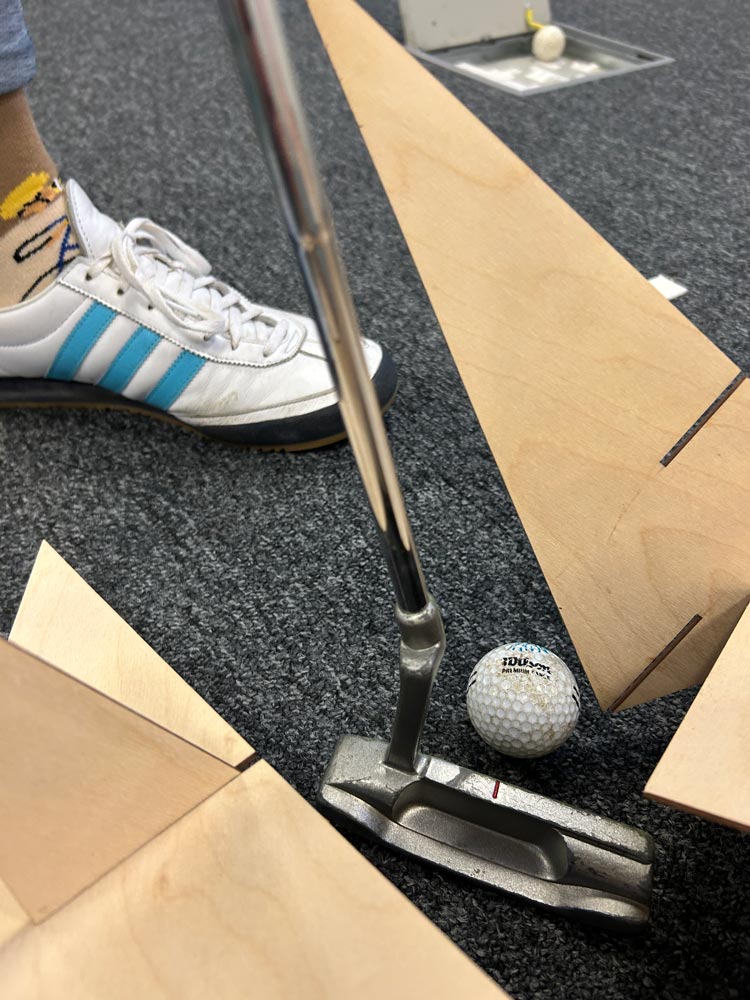
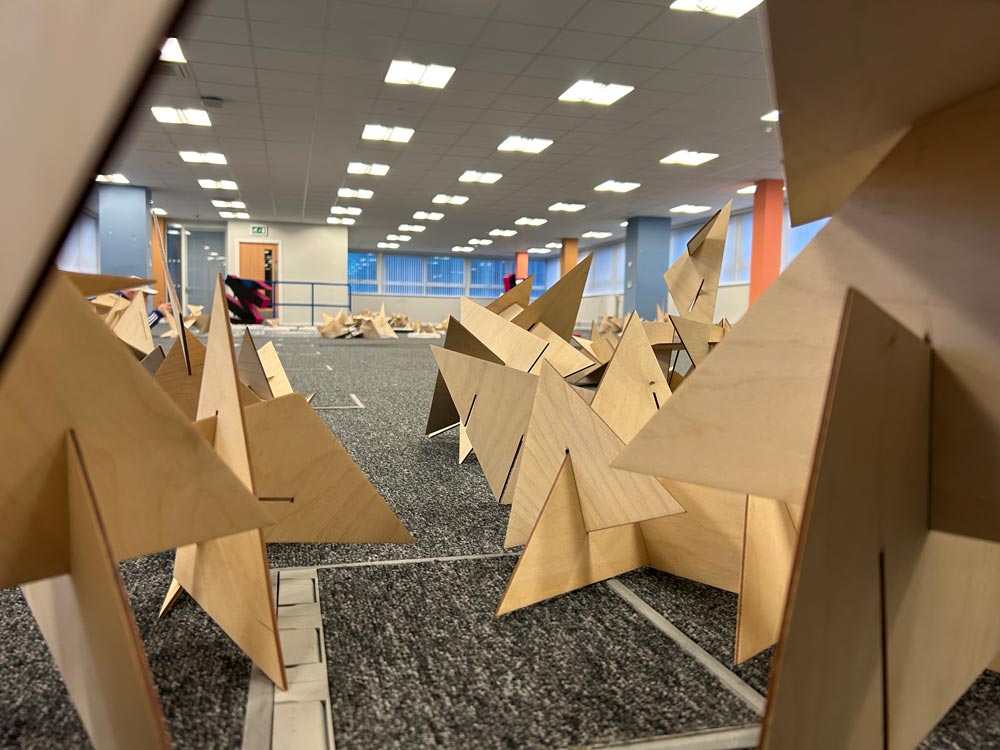
In the abandoned Department of Social Security at 2 The Cross, a once-bustling office building, memories linger—both seen and unseen. Space Golf brings together the works of Andy and Jamie, who invoke the concept of hauntology to transform this liminal space into a place of memory and absence.
Hauntology is a philosophical concept that explores how past cultural, social, or political elements haunt the present. The term, coined by French philosopher Jacques Derrida in his 1993 book Specters of Marx, combines the words ‘haunting’ and ‘ontology’ (the study of being). It refers to the way that past ideas, ideologies, or aesthetics persist in contemporary society, often in a ghostly or unresolved form, influencing how we experience the present and imagine the future.
In the context of contemporary art, hauntology provides a framework for exploring themes of memory, history, and the passage of time, often emphasising the unresolved or unfulfilled aspects of the human experience.
Through their distinct yet complementary practices, Jamie and Andy evoke the concept as both a temporal and spatial phenomenon. Henri Lefebvre often discussed everyday spaces in his works, particularly in The Production of Space and Critique of Everyday Life (1974). His ideas emphasise the hidden significance of everyday environments, including neglected or marginalised ones.
“Space is never empty: it always embodies social relations and reflects the conflicts, desires, and struggles of a society.”
— The Production of Space (1974)
This quote highlights how even the most mundane or rundown spaces are charged with meaning, reflecting the social and historical forces that shape them. Such spaces, for Lefebvre, are sites where everyday life unfolds, revealing power structures and human experiences that are often overlooked.
This exhibition invites viewers to navigate the spectral terrain of the building, where the space reeks of division, power and inequality. Space Golf transforms the mundane into the mysterious, the forgotten into the foregrounded, urging us to reconsider the invisible histories etched into the architecture of the everyday.


 andrewwelsby
Leave a comment