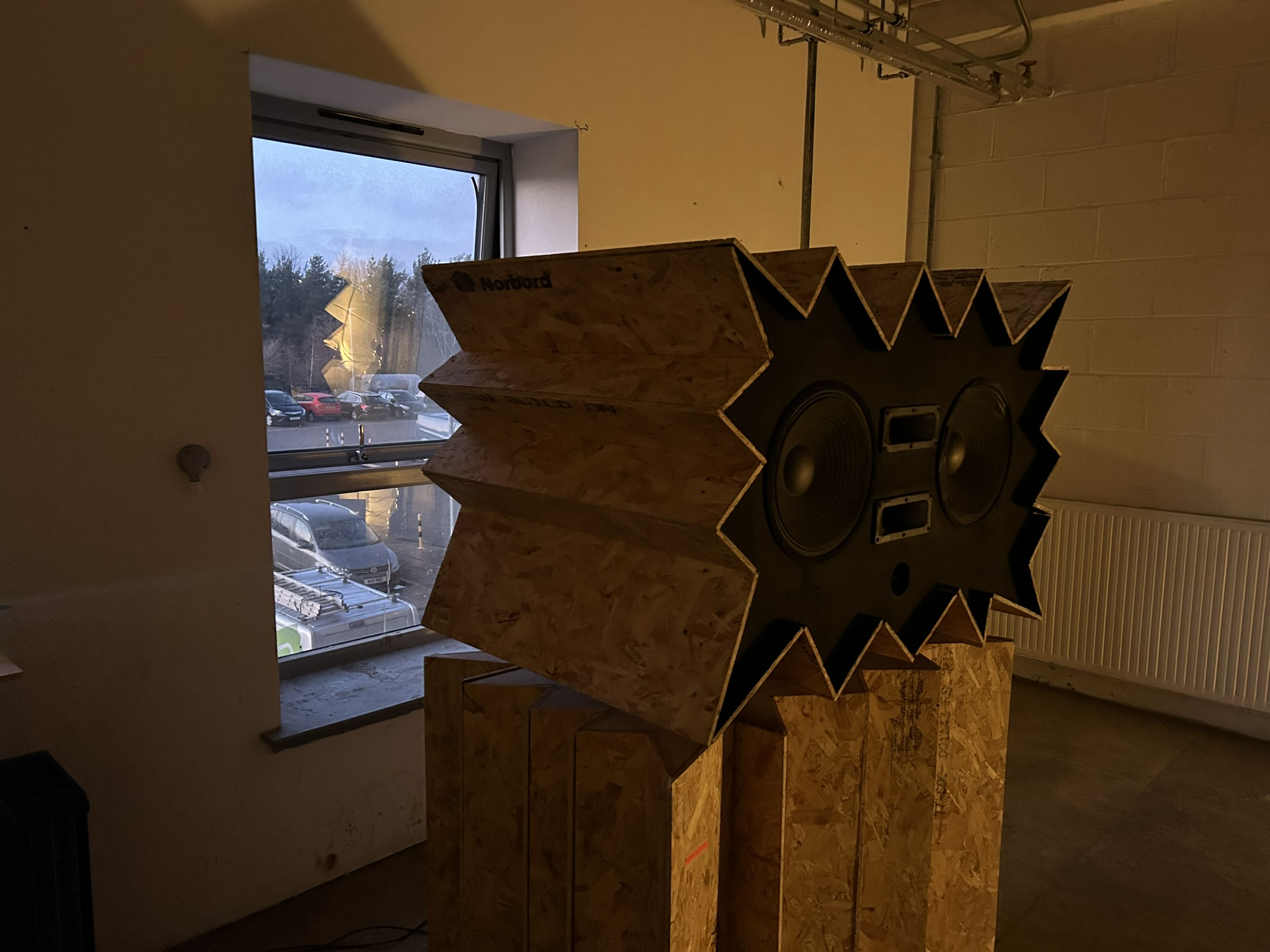
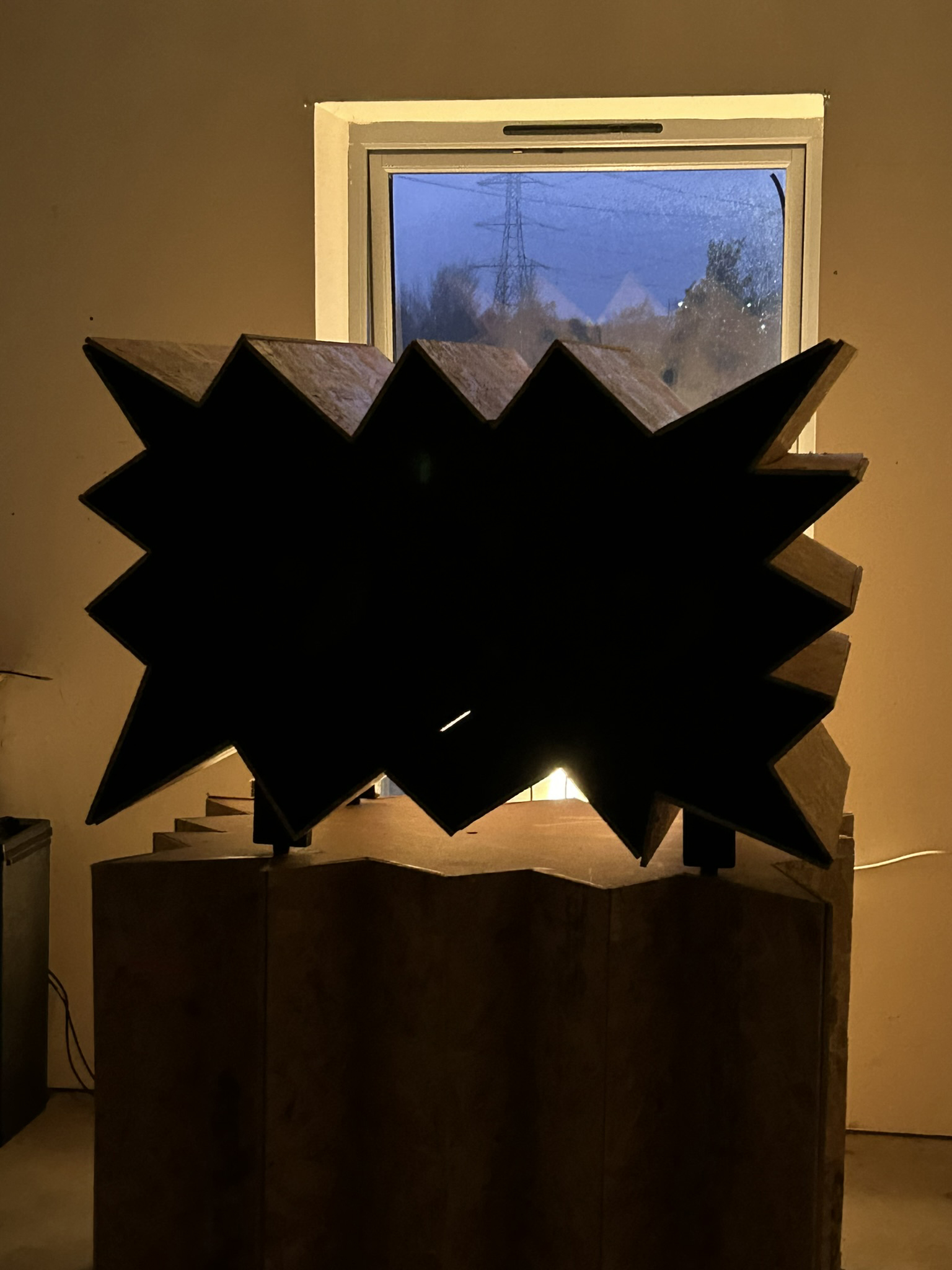
Please sir, can I have some more bass? was an event held in the Whiskey Bond in glasgow on the 26th January 2024. The even was an experiment in sonic depression with some new video and sound works by [me] Andy Welsby and Cosmic Debt Sound System by Jamie Coooper. Both artists have come together drawn by a shared interest in the sonic hauntology and recollections of late 80’s and early 90’s DIY club culture.
Please Sir playlist. These are the tracks I made for the evening. The initial responce to the show was one of satire, to recollect with fondness and fun with the sound reflecting a more cheesey version of the actual reality 30 or so years ago.
A 10 minute video clip was edited using 120bpm as the beat to follow. The video was made from VJ clips I started making in the mid 1980’s, and they were cut every second and layered to create a visual rhythm.
It was expected that people should pick up and handle the objects in these cases; feel their textures, their weights, their particular strangenesses. Nothing was kept behindglass, as in a modern museum or gallery. Helen MacDonald, Vesper Flights. New and Collected Essays (London: Jonathan Cape, 2020)
As the quote above suggests, the show worked as a re/experience of a culture past. It occurred to me at the show that the recollection of techno tracks and the repurposng of the old VJ clips were a form of media archeology.
Media archaeology is an interdisciplinary field of study that explores the history, evolution, and materiality of media technologies. It seeks to understand how media technologies shape and are shaped by cultural, social, and political contexts over time. Unlike traditional media studies, which often focus on the content of media, media archaeology is more concerned with the material aspects of media technologies themselves.
Media archaeologists investigate obsolete or forgotten media technologies, examining their historical development, cultural impact, and the ways in which they have influenced and been influenced by society. The field often involves hands-on research, examining old media artifacts, devices, and systems. Scholars in media archaeology may also explore the cultural practices and rituals associated with these technologies
I felt the show subscribed to this idea for 2 main reasons: first, the content I made in the early 90’s recalled interests in Len Lye and Norman McLaren. I generated marks directly on film initially and then recreted dirtect film making techniques digitally by making paper ‘film strips’ using collage and mark making, and then animating the papers past a small stage in After Effects. It was difficult to emulate the double shutter of a film camera here, but the drafts moved towards a staisfactory outcome.

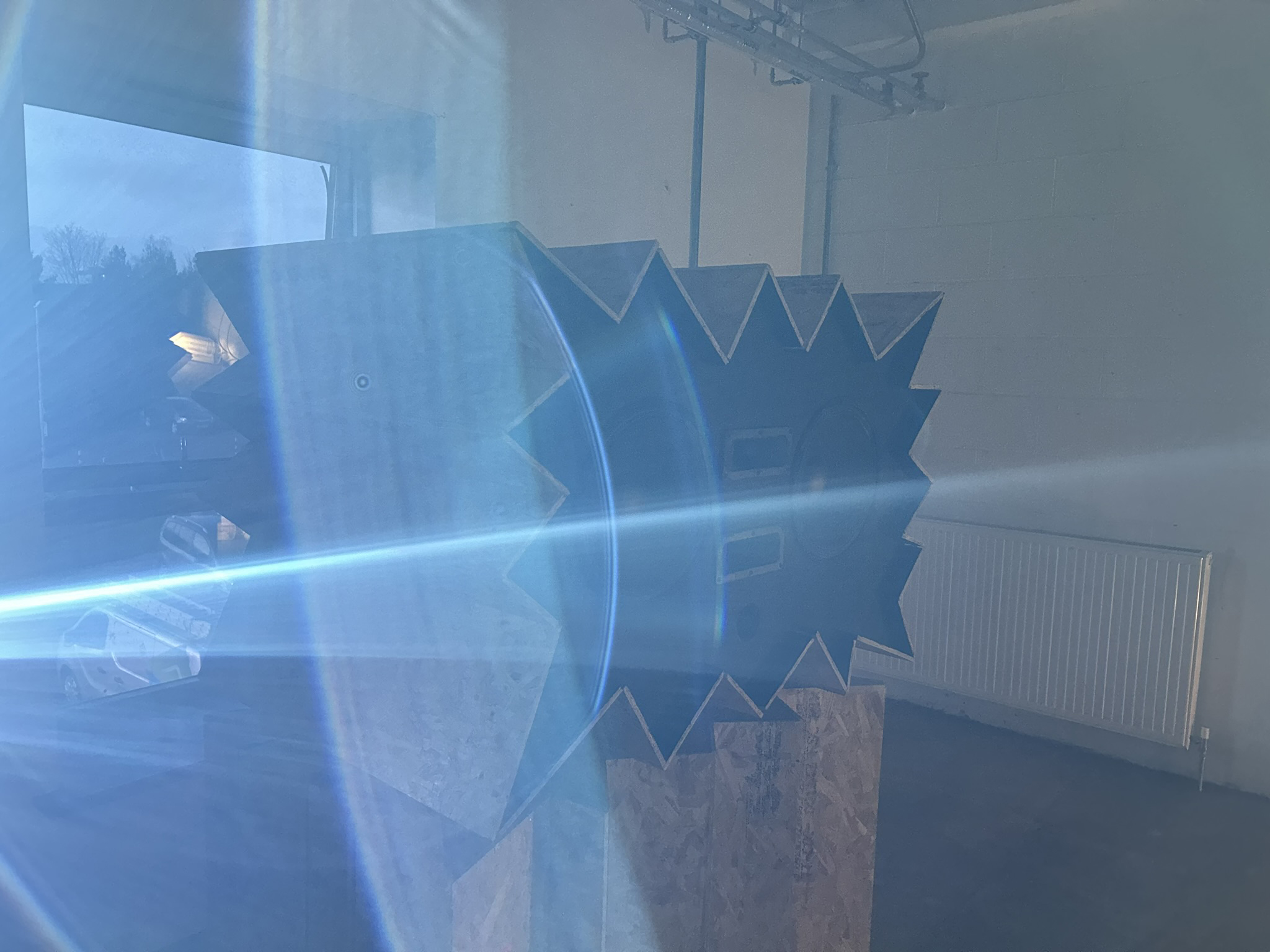

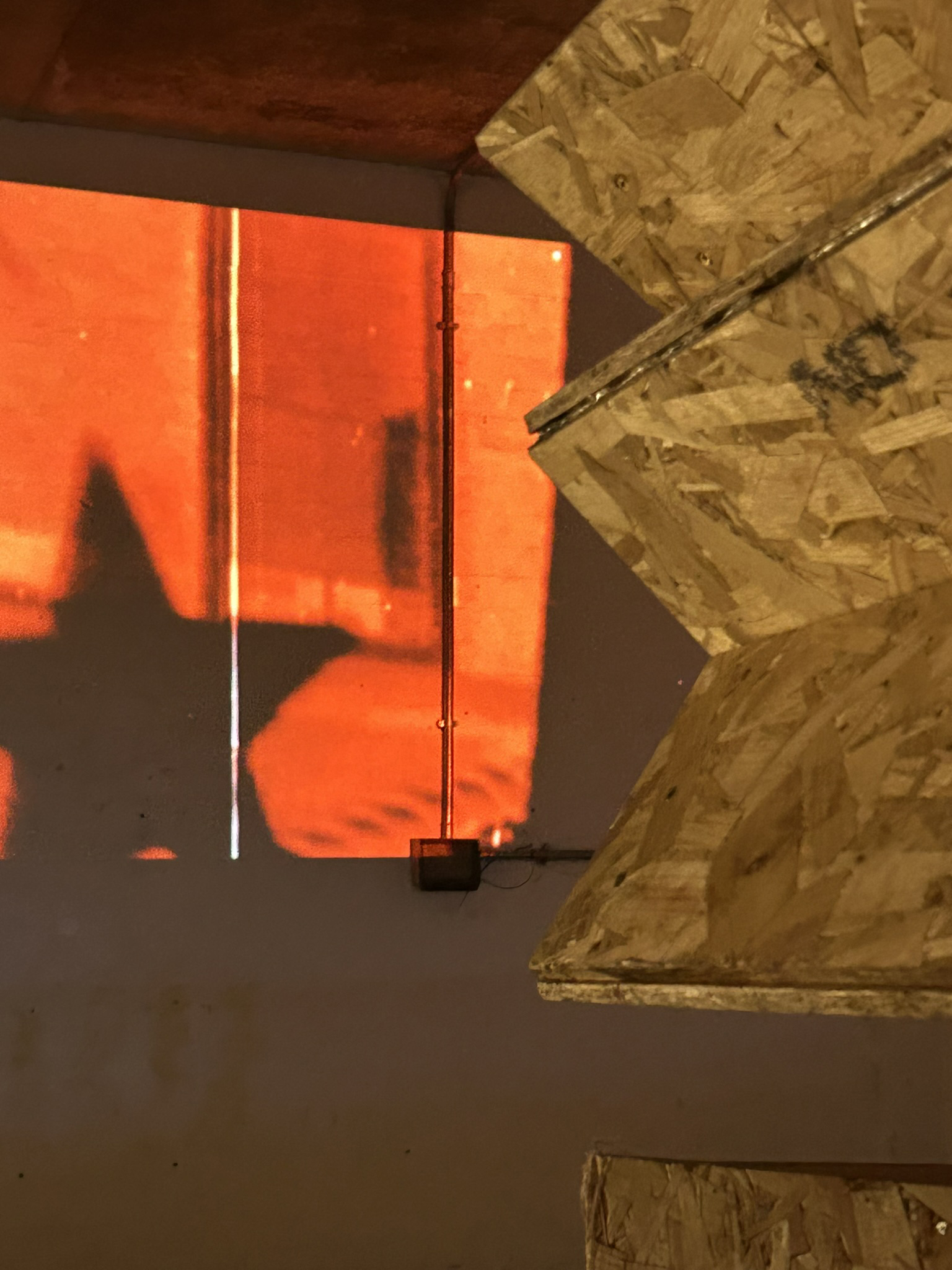

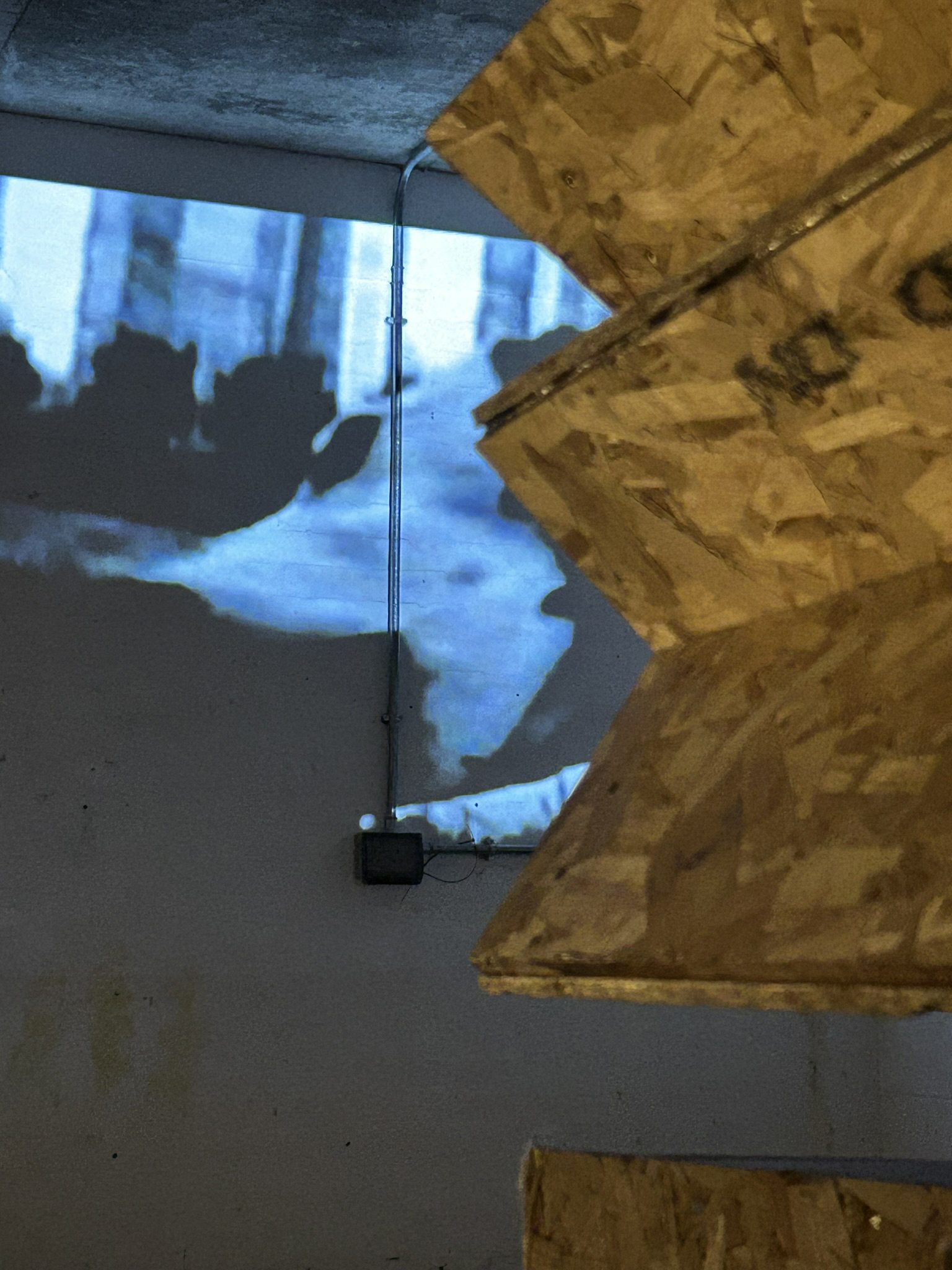


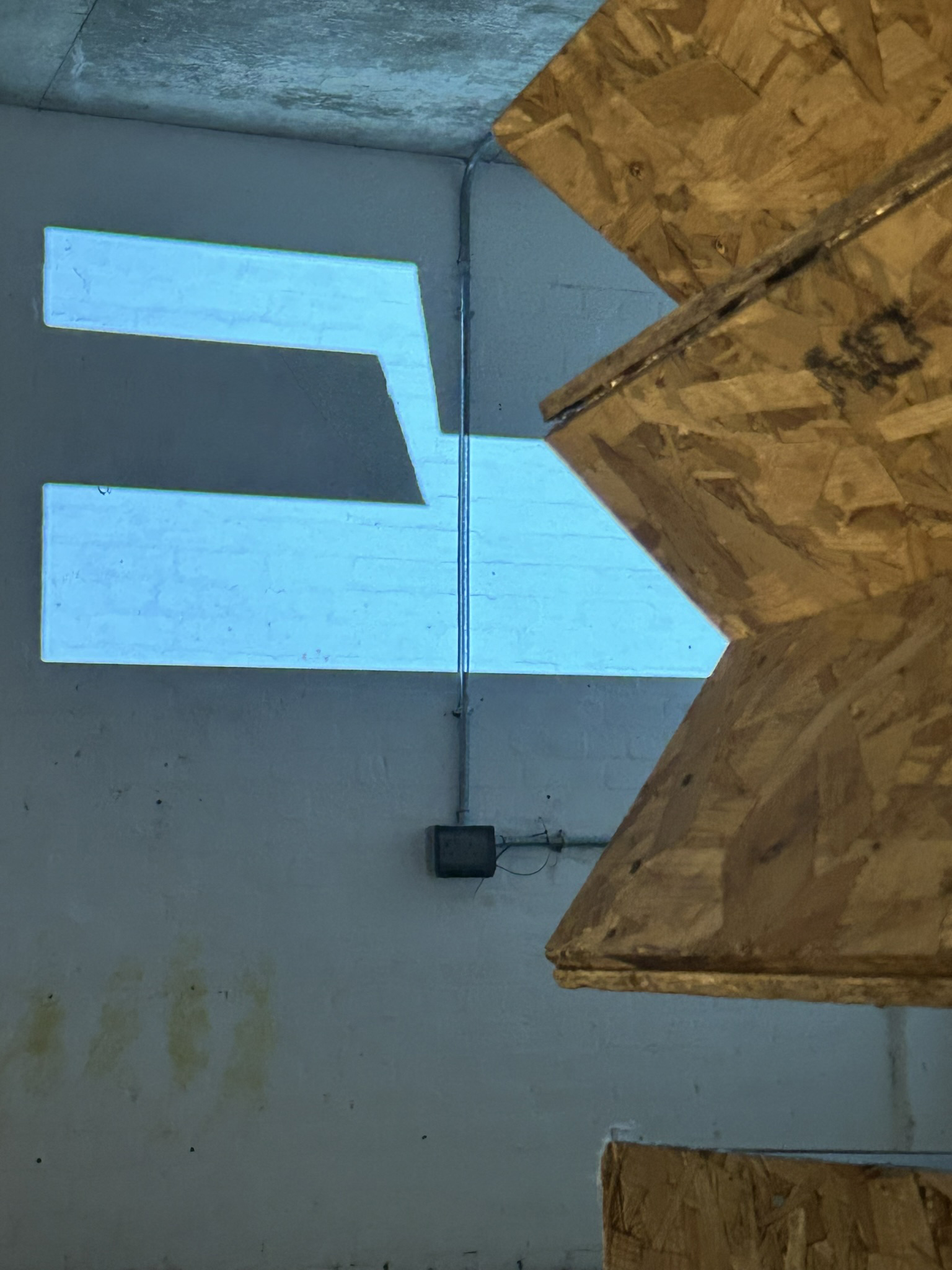
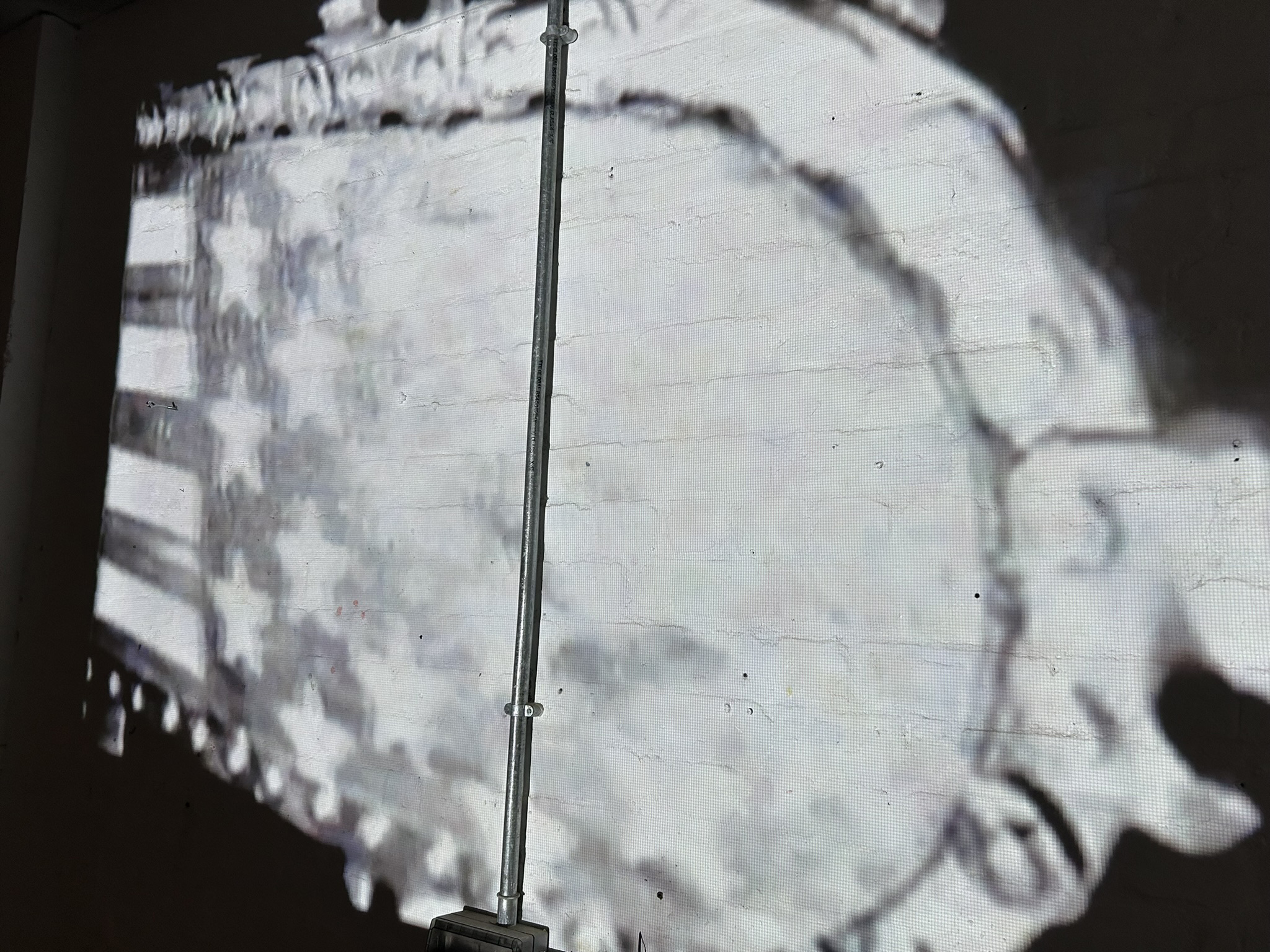
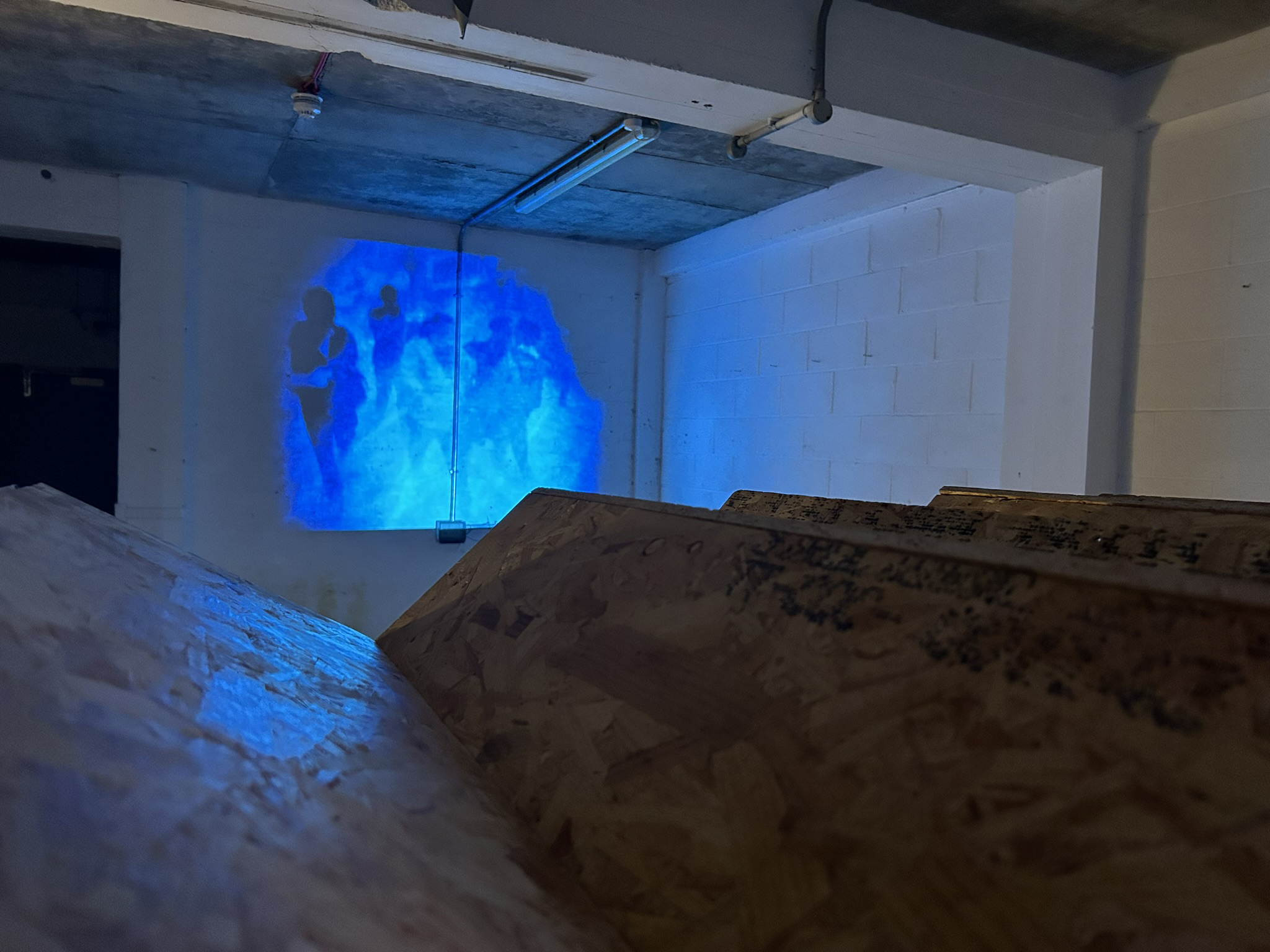

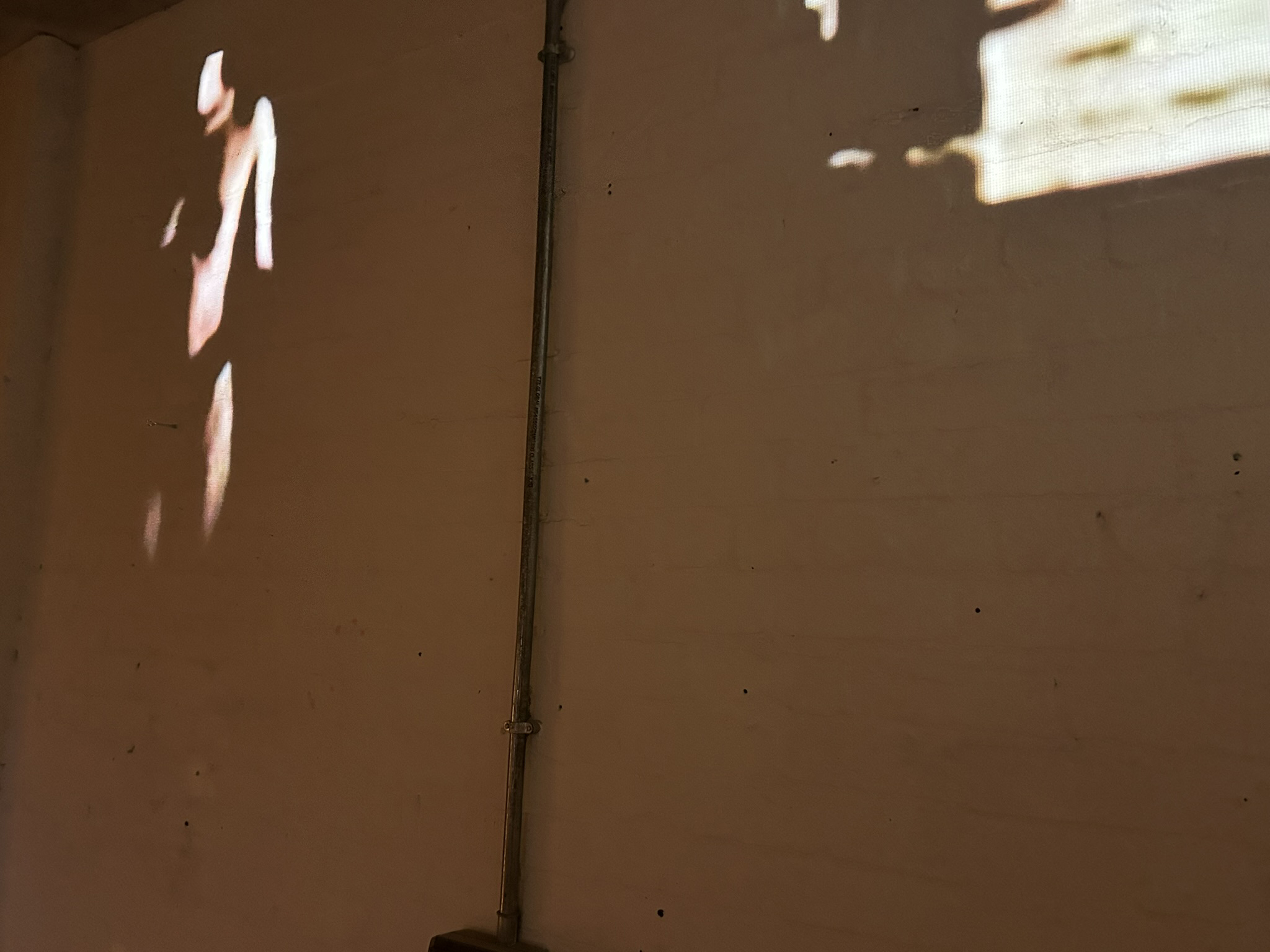
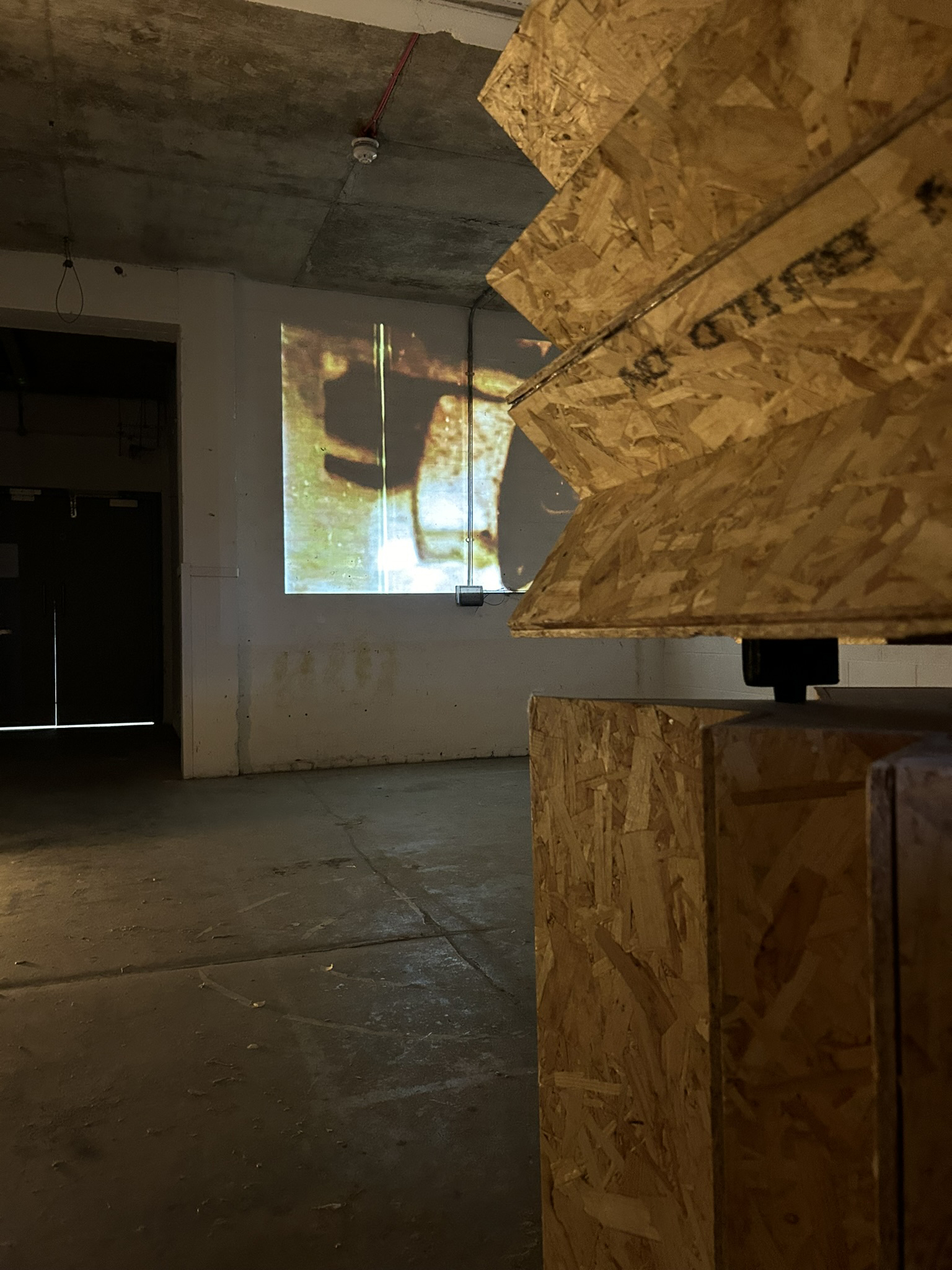
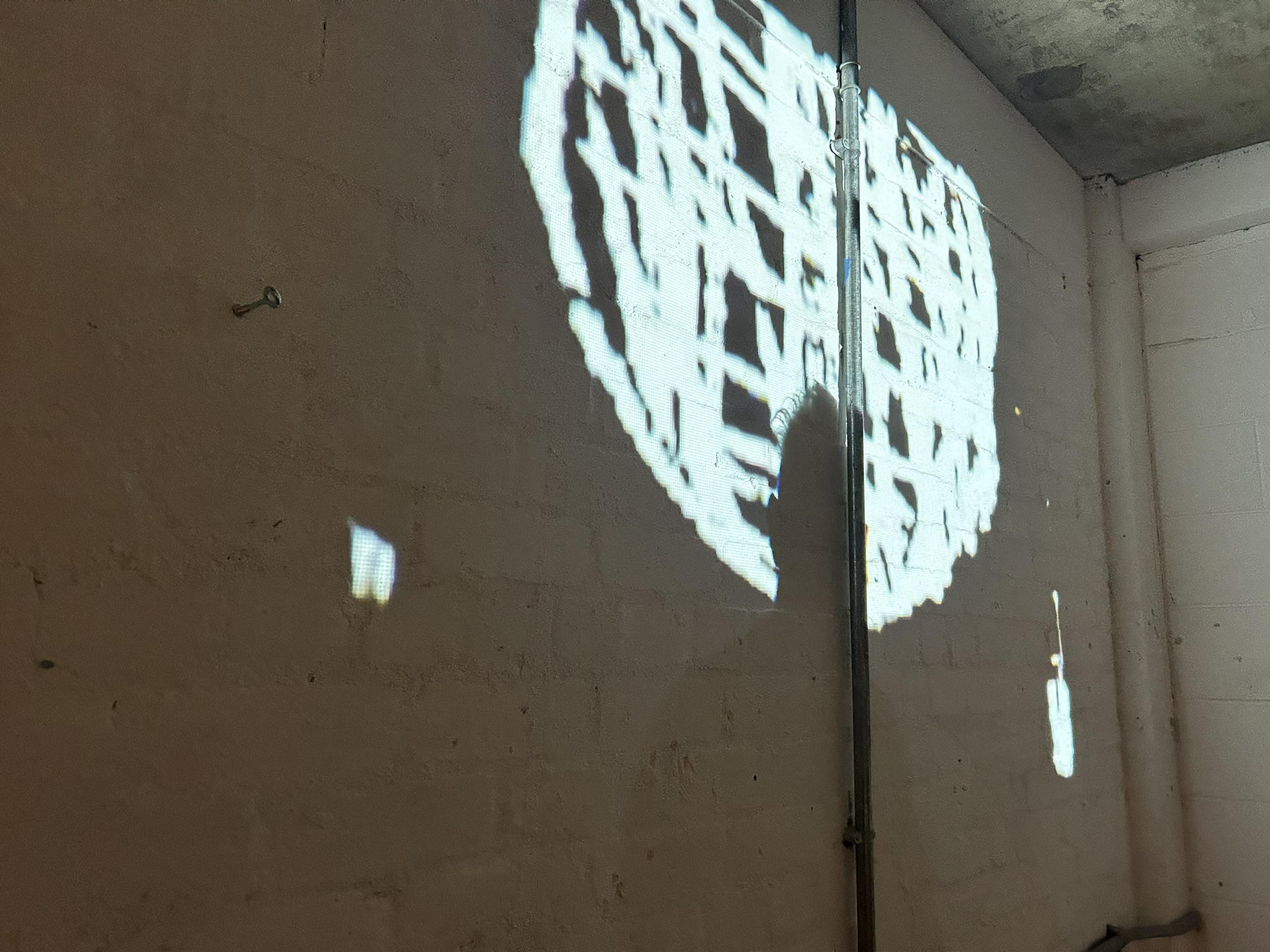

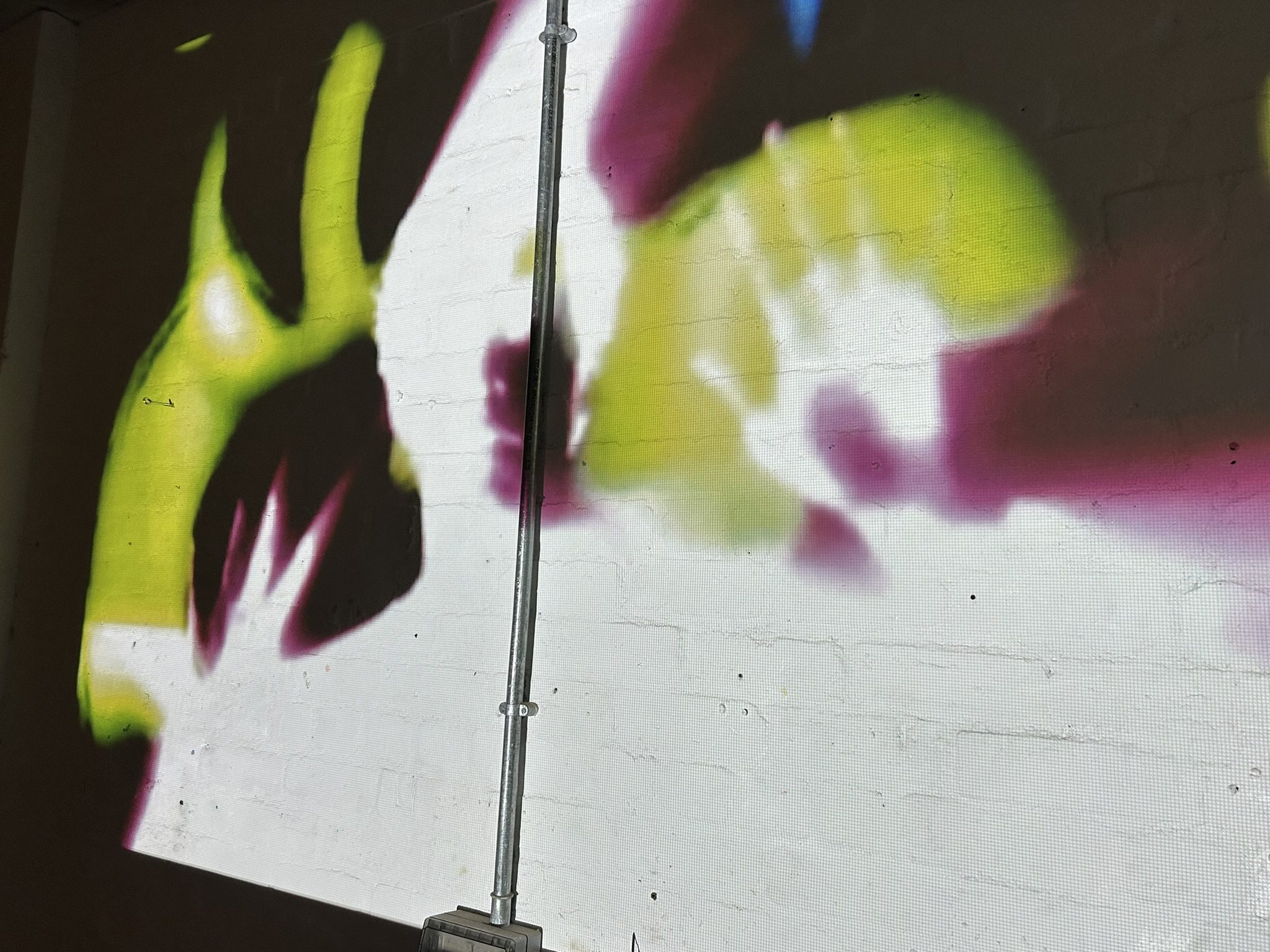
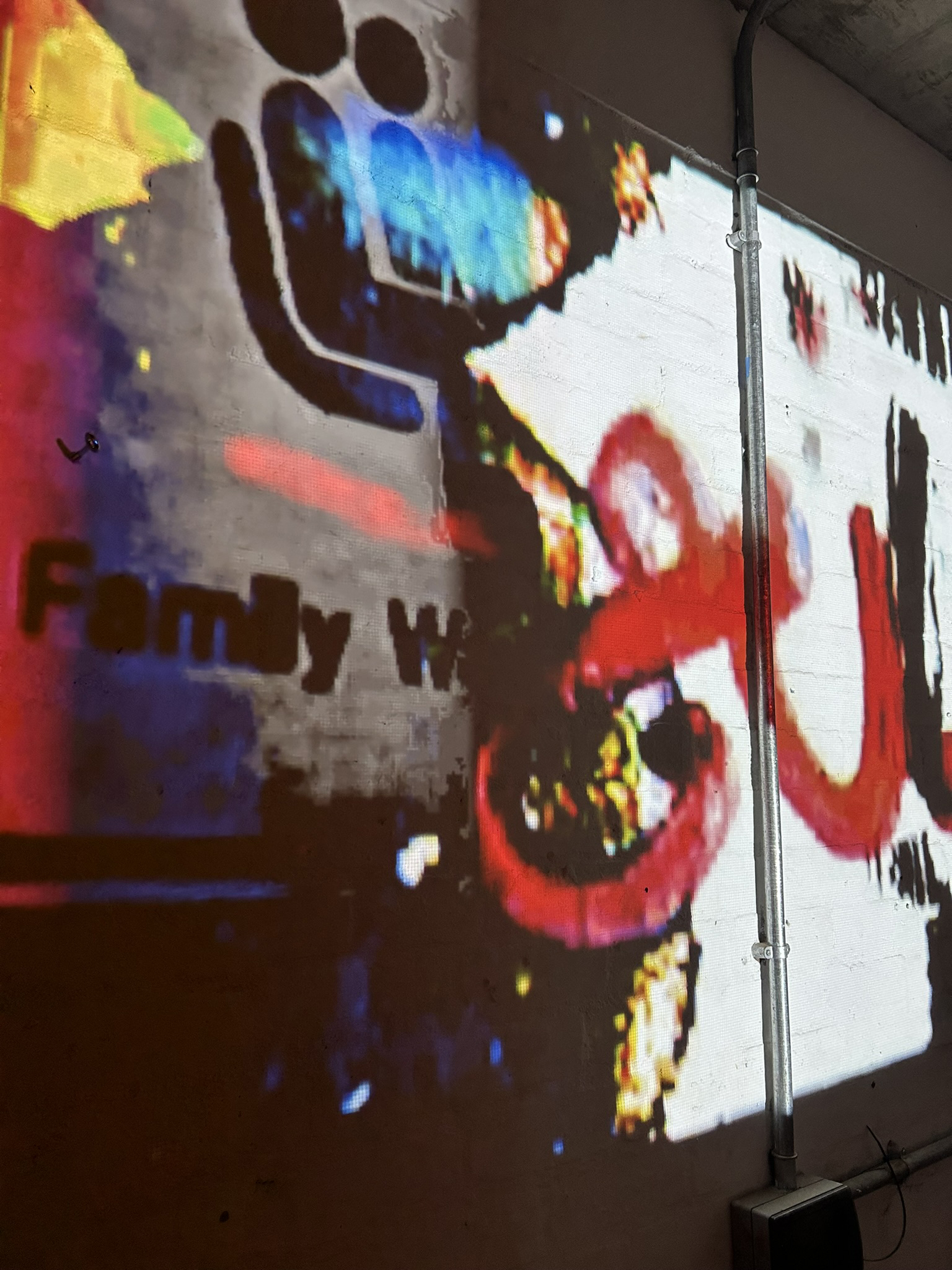

The second reason was that in repurposing old VJ clips, I had an opportunity to examine the nature of films made first with SVHS tapes and cameras, and then Hi8 equipment, supplanted later by miniDV. The fabric of this is visible with traces of interlacing and the 4×3 format. Later clips had originally been rendered at 320×240 pixels using motionJPEG compressors to save disk space, as the clips would be bulk loaded to live video mixing software like VDMX, VidvoxGrid tc. Further, it was fun to remember plug-ins, software and techniques long since superseded by iPhone technologies and subscription editing – I edited using Final Cut Pro! Who remembers that?
 andrewwelsby
Leave a comment